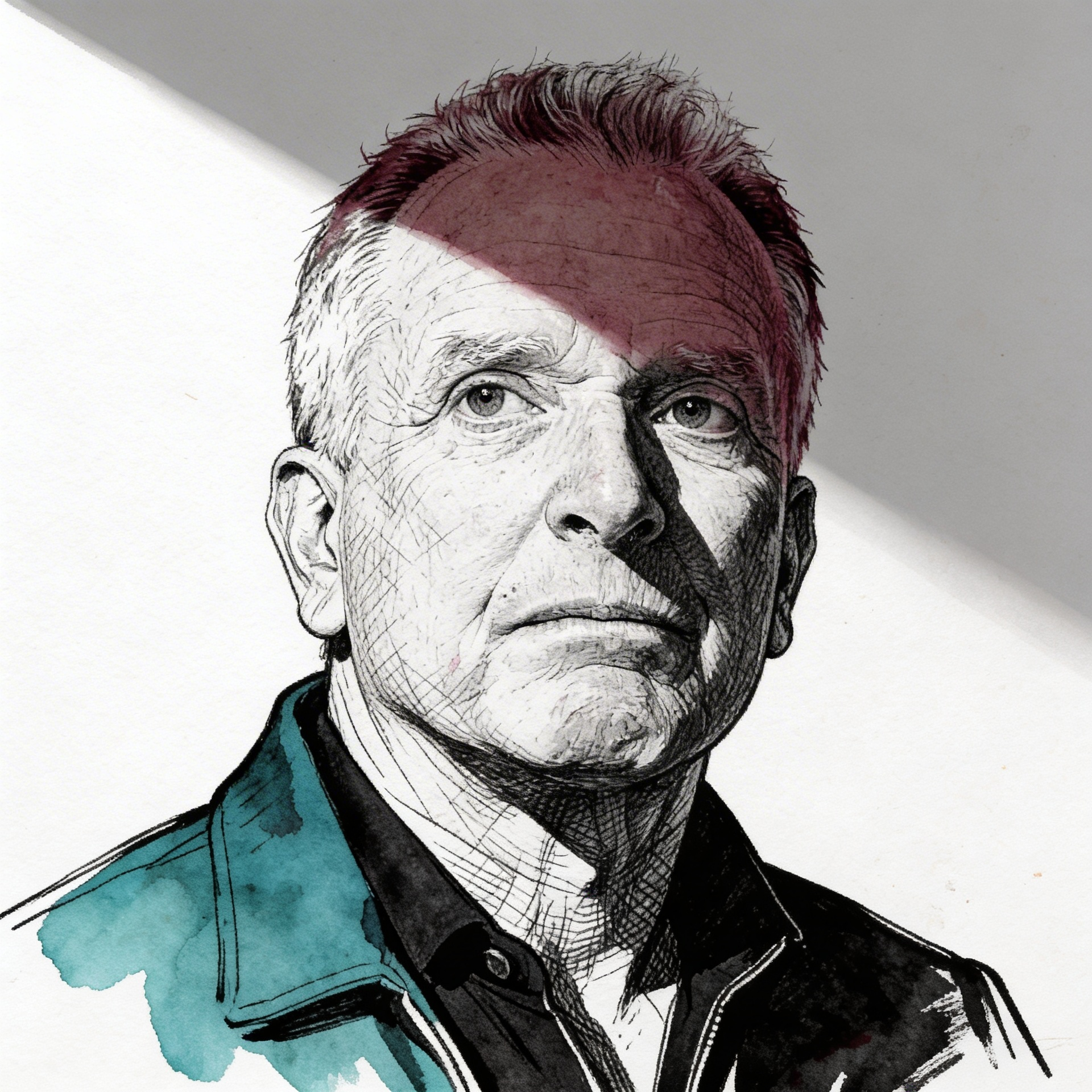
Steve Witkoff
US Special Envoy for Peace, leading Trump's talks with Russia, Ukraine and Iran.
Steve Witkoff's talks with Ukraine's delegation in Miami ended on 9 October, a day early, after Axios reported that Witkoff and Jared Kushner had tied Washington's intelligence support for Kyiv to the refinery campaign.
Last refreshed: 12 October 2026 · Appears in 2 active topics
Will Witkoff's warning over US intelligence force Kyiv to halt refinery strikes?
Timeline for Steve Witkoff
Met Ukraine's delegation in Miami
Russia-Ukraine War 2026: Witkoff's Miami talks end a day earlyQatar brings the US answer to Araghchi
Iran Conflict 2026Witkoff and Kushner meet Putin with no result
Russia-Ukraine War 2026Iran's two voices on the talks
Iran Conflict 2026US, Iran and Qatar differ on Doha round
Iran Conflict 2026Background
Witkoff is a New York property developer whom Donald Trump appointed US Special Envoy for Peace. He is the president's principal negotiator on two wars at once, Russia's war on Ukraine and the 2026 US-Iran conflict, and he almost always travels with Jared Kushner.
Witkoff works through small, senior delegations and direct meetings with heads of state. He met Vladimir Putin in Moscow on 5 September 2026 and Volodymyr Zelenskyy in Kyiv the following day. On Iran he has mostly worked through mediators, with Pakistan, Qatar and Oman relaying positions between separate rooms, as at the Islamabad session of 10 April.
Holding the Ukraine and Iran files at once gives Witkoff weight in both capitals but splits his time. In April he and Kushner dropped a planned first visit to Kyiv and rerouted to Pakistan after the Iran ceasefire, and the Ukraine track lost pace whenever The Gulf demanded attention. Some of his public claims have gone unconfirmed by the other side, among them his 26 June statement that Iran had written to the UN nuclear watchdog to admit inspectors.
The Ukraine channel stalls in Miami
Witkoff's Ukraine brief has moved in fits. On 4 March he and Jared Kushner told Kyiv they would not travel to Istanbul for the third US-Russia-Ukraine trilateral, because the Iran war had pulled them away. Six months later, on 5 September, the pair spent more than three hours with Vladimir Putin in Moscow and Russia announced nothing.
The Miami round was planned for two days and ended on 9 October after one. Kyiv's TEAM included Kyrylo Budanov, head of the Office of the President, and Rustem Umerov, head of the Foreign Intelligence Service. Axios reported the envoys raised curbs on US intelligence over Ukraine's refinery strikes. Washington now wants technical three-way talks with Russia by the end of October, possibly in the UAE, which puts Witkoff's line to Moscow back at the centre.
The shuttle format pinned nothing down
Witkoff flew to Doha on 30 June, a day after the United States and Iran agreed to stop fighting without signing anything. His task was to turn the June framework into practice, but the two delegations never met; Qatar and Pakistan carried messages between separate rooms.
The 1 July round showed how little that format gave Washington's envoy to work with. Qatar spoke of progress on a 14-point memorandum, while Iran's government contradicted itself: Tasnim said the round ended without result and the foreign ministry said talks continued. Qatar then put the next round on hold until after Ali Khamenei's funeral, which ran from 4 to 9 July. For six days, from 4 to 9 July, Witkoff had no live channel to Tehran.
Direct contact with Tehran finally began
On 22 September Witkoff and Kushner met Iran's foreign minister, Abbas Araghchi, in New York. It was the first structured American contact with Tehran of the war. Iran's price had four parts: lift the US naval blockade, waive oil sanctions, release about $12bn in frozen assets and hold a regional Ceasefire covering Lebanon, with nuclear talks to follow.
Trump rejected Iran's seven-day plan for reopening the strait of Hormuz on 26 September, and Qatar carried a written US answer back on 29 September. The gap Witkoff must close is one of order rather than substance: Washington wants the nuclear file and the strait settled in one package, Tehran wants the strait handled first. Oman hosts the next round, while Saudi Arabia and the UAE lobby to keep the blockade.
The Ukraine channel stalls in Miami
What happened at the Miami talks between Witkoff and Ukraine in October 2026?
What is Witkoff's role in the Ukraine peace process?
Why were Ukraine peace talks cancelled in March 2026?
Reference
What is Steve Witkoff's business background?
Who is Steve Witkoff?
What happened at the Geneva US-Iran talks in June 2026?
Who is Steve Witkoff and what is his role in the Iran talks?
What did Steve Witkoff agree to in the Iran Islamabad MOU?
Why did the Islamabad Iran talks collapse?
Why did Iran initially reject Steve Witkoff as a negotiator?
What happened at the Islamabad Iran talks?


