Mediterranean
Inland sea bordering Southern Europe, North Africa, and the Middle East; a major route for migrants and contested naval theatre.
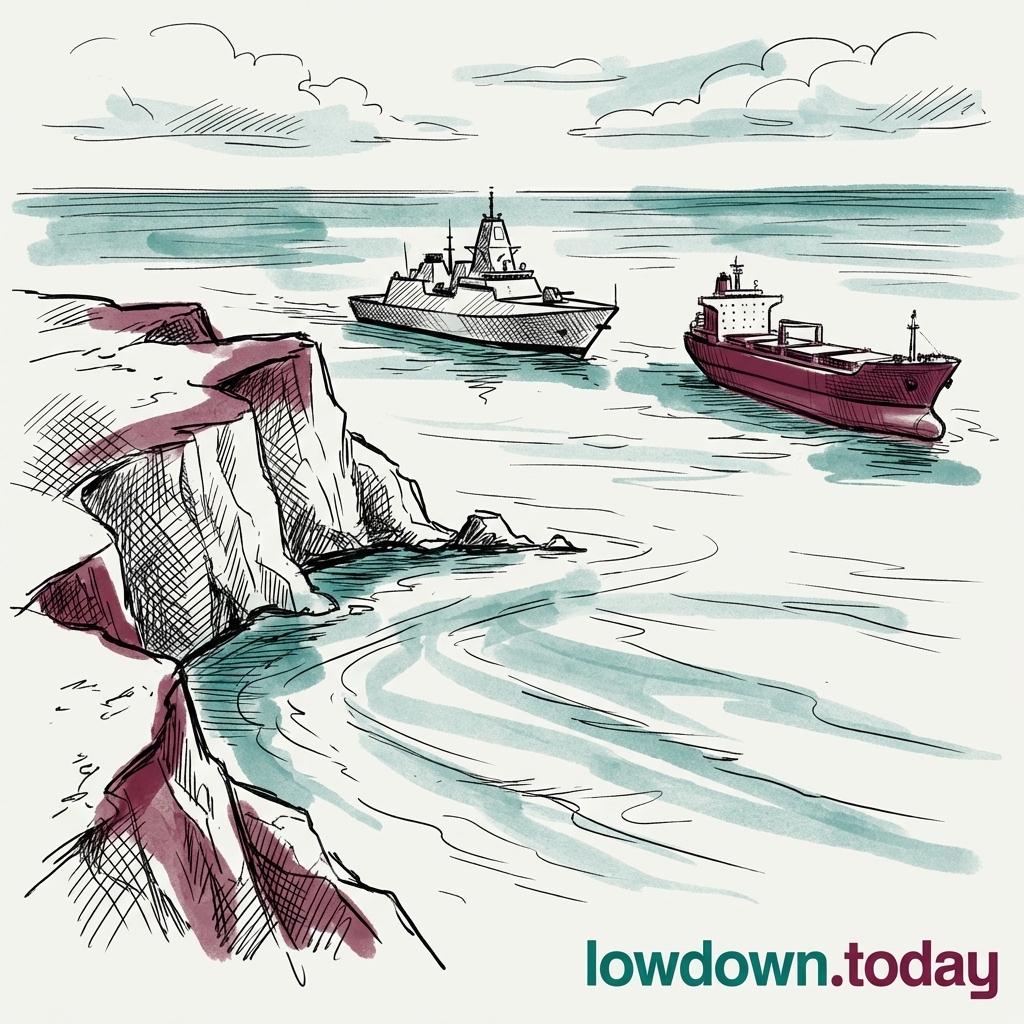
European naval forces boarded the sanctioned tanker Sun in the Mediterranean on 30 August 2026. An earlier boarding off Pantelleria put the basin on the route of enforcement against Russia-linked shipping.
Last refreshed: 22 October 2026 · Appears in 2 active topics
Could the Mediterranean become a second front in the 2026 war?
Timeline for Mediterranean
Mentioned in: Kallas counts €60m a day in lost exports
Russia-Ukraine War 2026Mentioned in: Qatar refuses to hedge against Hormuz
Iran Conflict 2026Mentioned in: Aramco cuts Europe off for October
Iran Conflict 2026Mentioned in: Shadow tankers carried half of Russia's seaborne oil
Russia-Ukraine War 2026Mentioned in: Houthis take all of Yemen's Red Sea coast
Iran Conflict 2026Background
The Mediterranean Sea lies between southern Europe, North Africa and the eastern Mediterranean coast of Asia. the strait of Gibraltar connects it with the Atlantic Ocean, while the Suez Canal links it with the Red Sea.
These passages make the basin a route for trade between Europe, Asia and neighbouring coasts. Ports, refineries and pipelines around the sea connect maritime cargoes with inland markets. The Suez-Mediterranean Pipeline provides an additional oil route across Egypt.
Navies board sanctioned tankers
European forces boarded the sanctioned tanker Sun in the Mediterranean on 30 August 2026 on suspicion of false-flag use. The incident placed sanctions enforcement within a sea crossed by ships carrying Russian oil, rather than limiting it to checks at destination ports.
On 2 August, the Italian frigate Thaon di Revel had boarded the Cameroon-flagged Toa Payoh near Pantelleria. A Greek warship and Polish patrol aircraft supported that operation. Italy had not confirmed formal detention when the boarding was reported that day.
Northern routes carry rerouted Saudi crude
Mediterranean refiners faced a change in their supply routes after the Houthi blockade announcement of 23 July 2026. Reporting on 24 July said Saudi crude was no longer being loaded for passage through Bab el-Mandeb, while crude traffic through the Suez Canal had increased.
Egypt's Ain Sokhna terminal, the Red Sea entrance to the Suez-Mediterranean Pipeline, was taking part of the rerouted supply. For Mediterranean buyers, both the canal and the pipeline therefore connected their deliveries to the northern Red Sea route, as the southern passage became more hazardous.
Mediterranean shipping faces tanker enforcement
How do Gulf producers move oil around the Strait of Hormuz?
Reference
What is Spain's Canary Islands tourist-municipality law?
What is the significance of the Strait of Gibraltar for global trade?
Is the EU boarding sanctioned Russian oil tankers in the Mediterranean?
Which Mediterranean countries are cracking down on short-term rentals in July 2026?
Why is Sicily's ISAB Priolo refinery still running under Lukoil sanctions?
Which Mediterranean countries are restricting Airbnb listings?
How does the Lebanon war affect Mediterranean shipping?
Did Iran threaten Mediterranean tourist sites?
Are there NATO warships in the Mediterranean during the Iran war?
What is the Mediterranean Sea's role in the 2026 conflict?
Why is the Mediterranean important to the US military in 2026?


Written with AI from Lowdown's published reporting. Not individually reviewed by an editor. Updated 22 October 2026. Editorial standards.