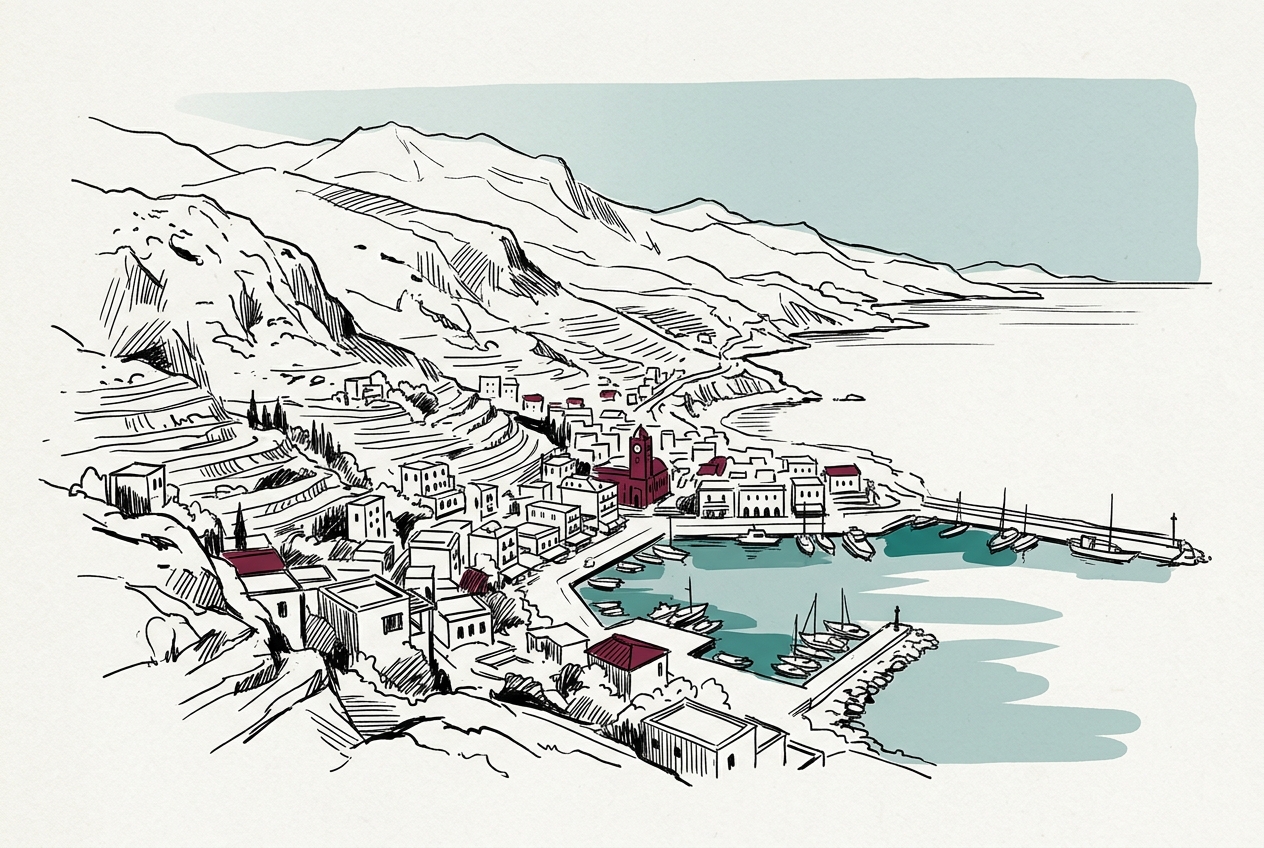
Crete
Greek island; NATO's Souda Bay base amid Iran-era protest, also a top short-let tourism destination.
Crete shares with the South Aegean 49.3 per cent of Greece's tourist nights, 2025 figures published on 27 July show, and the island still faces no limit on new short lets after the 5 September announcement extending Athens' freeze.
Last refreshed: 3 October 2026 · Appears in 1 active topic
Can Greece keep Souda Bay open as anti-war pressure builds over the Iran conflict?
Timeline for Crete
Mentioned in: MKE robot boat hits with a live warhead
Autonomous Systems: Land & SeaMentioned in: Greece plans to keep Athens lets frozen
Nomads & CommunitiesGreece's freezes miss half its nights
Nomads & CommunitiesMentioned in: Anti-war protests across US cities
Iran Conflict 2026Background
Crete is Greece's largest island, with a population of about 640,000 and its capital at Heraklion. It was the centre of Minoan civilisation, passed through Venetian and Ottoman rule, and united with Greece in 1913.
Two things define its present weight. The first is tourism: the island and the South Aegean between them accounted for almost half of the country's tourist nights in 2025, yet it faces none of the short-let registration limits that apply in Athens and Thessaloniki.
The second is Souda Bay, on the north-west coast, one of the deepest natural harbours in the Mediterranean and home to a major US and NATO naval facility. The base ties the island to conflicts further east. On 7 March 2026, anti-war demonstrators carried banners reading 'Close Souda base' as the Iran war widened.
Crete stays open to new lets
Greece's statistics agency reported on 27 July that the country logged 156.3 million overnight stays in 2025, up 2.2 per cent. Crete and the South Aegean accounted for 49.3 per cent of them.
For Crete, The National debate on short lets has so FAR happened elsewhere. The registration freeze covers central Athens and Thessaloniki's historic centre, and the government said on 5 September that it will run to 31 December 2027. The announcement left out Heraklion, Chania and the island's resort coasts. A Cretan owner can still register a new holiday let, an option closed to owners in the two biggest cities.
What is Crete's role in current events?
What is Souda Bay and why does it matter?
Why are protesters calling to close Souda base?
What is the difference between Crete's NATO role and Turkey's?
How much of Greece's tourist overnight stays happen in Crete?

