Houthis
Yemeni armed movement in Sanaa; blockades Israeli and Saudi shipping via radio warnings alone.
On 20 July 2026, the Houthis declared Bab al-Mandeb closed to Saudi-linked shipping, prompting six vessels to change course within 48 hours after radio warnings.
Last refreshed: 22 September 2026 · Appears in 3 active topics
Can a blockade enforced only by radio really close a global shipping strait?
Timeline for Houthis
Took the whole Yemeni Red Sea coast, Mayun and the Hanish islands
Iran Conflict 2026: Houthis take all of Yemen's Red Sea coastMentioned in: Detour route writes off a cargo ship
Iran Conflict 2026Mocha port shuts after 25 missiles
Iran Conflict 2026Fired missiles that killed six people aboard a cargo vessel
Iran Conflict 2026: Six dead in the Bab el-MandebCarried out the reported attacks
Iran Conflict 2026: Yemen's front began with a blocked flightBackground
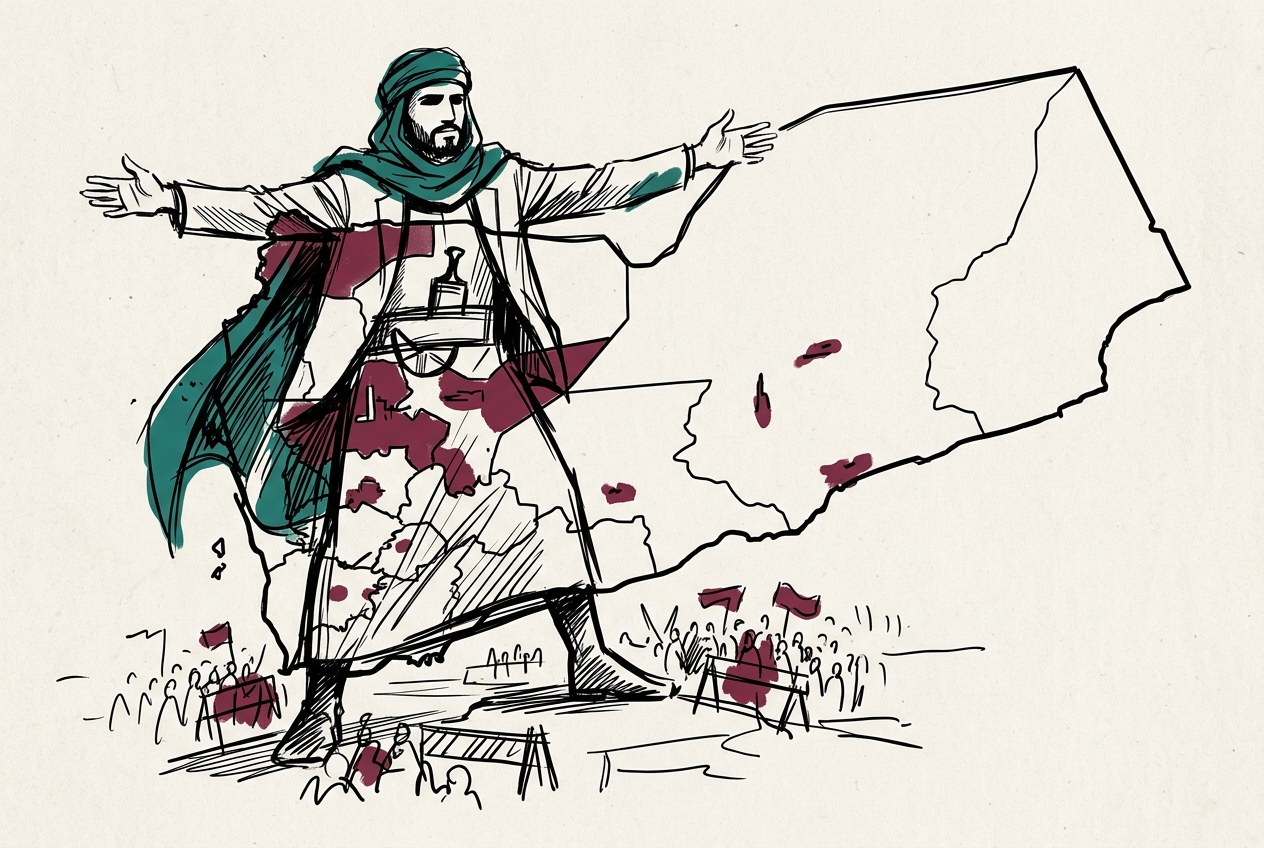
The Houthis, formally Ansar Allah, are a Yemeni armed movement based in Sanaa. Their position on Yemen's Red Sea coast gives them direct access to the eastern side of Bab al-Mandeb, a maritime passage linking the Red Sea and Gulf of Aden.
That geography gives the movement influence beyond Yemen. On 20 July 2026, its radio warning to Saudi-linked shipping prompted six vessels to alter course within 48 hours. The episode showed that shipowners can treat a declared Houthi threat as operationally significant before a naval engagement occurs.
Its military claims need separate scrutiny from independently recorded incidents. On 5 August, the Houthis claimed attacks on two tankers while UKMTO recorded one explosion without confirming the vessel involved. That distinction matters when assessing the movement's reach, credibility and effect on shipping decisions.
The blockade forced a route change
The Houthis warned Saudi-linked vessels away from Bab al-Mandeb on 20 July. Six vessels changed course within 48 hours after open radio warnings, without a boarding, missile or shot fired. For the movement, that showed it could impose a shipping risk through declared intent as well as direct force.
On 22 July, the Houthis said they had struck the Saudi tanker Layla alongside the Encelia. By 5 August, they claimed hits on two further tankers, but the UK Maritime Trade Operations body had logged one blast and had not confirmed which vessel was hit. The gap leaves the group able to raise route risk while the physical toll remains harder to verify.
A blockade declared by radio alone
Have the Houthis attacked any ships since 2025?
Why did the Houthis blockade Saudi Arabia?
Who is Yahya Saree?
Reference
What is Bab al-Mandeb and why does it matter?
What is the connection between the Houthis and Iran's seizure of the Hui Chuan?
Who are the Houthis?
What is the relationship between the Houthis and Iran?
What is the difference between the Houthis and Hezbollah?
Who funds and arms the Houthis?
Are Hormuz and Bab al-Mandeb both closed at once?
How do the Houthis threaten global shipping?
Why did the Houthis ban Israeli shipping from the Red Sea in June 2026?
Are the Houthis still attacking Israel in 2026?
Could the Houthis close the Bab al-Mandeb strait?
What did the Houthis seize in the Red Sea and why?
Why are the Houthis attacking Red Sea shipping?


