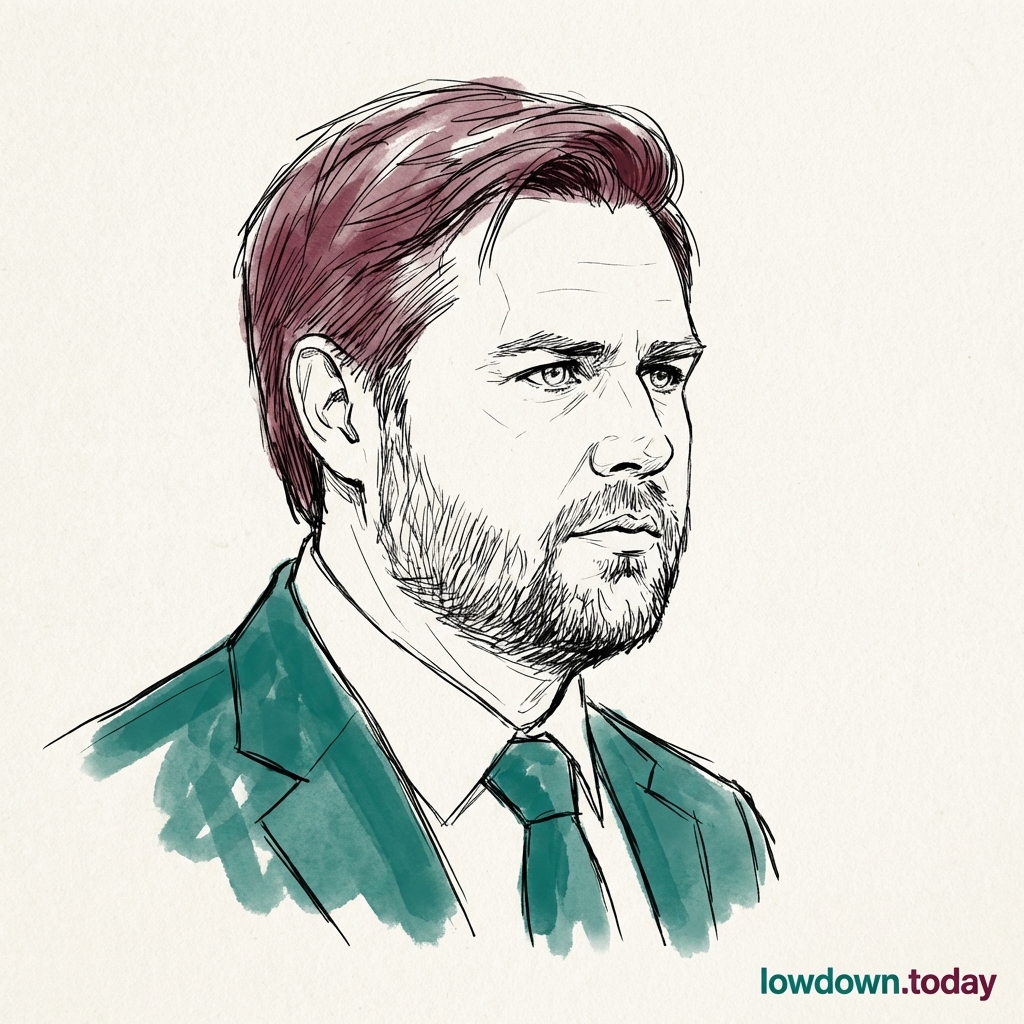
JD Vance
US Vice President; lead US-Iran negotiator; 2028 frontrunner navigating funeral-paused Doha talks.
On 1 July, JD Vance said US-Iran talks in Doha were going well, though Qatar confirmed the indirect round produced no confirmed direct contact or next date.
Last refreshed: 22 September 2026 · Appears in 2 active topics
Why does Tehran insist on Vance over Trump's own envoys?
Timeline for JD Vance
Mentioned in: Ohio Senate race draws $44.1m in a week
US Midterms 2026Progress at Doha you cannot bank
Iran Conflict 2026Mentioned in: Iran takes oil, refuses the inspectors
Iran Conflict 2026Met Araghchi and Ghalibaf at Burgenstock on day two of the round
Iran Conflict 2026: Mediators sign the deal, the parties don'tMentioned in: What the Navy does while Trump posts
Iran Conflict 2026Background
JD Vance is the United States vice president and has acted as a principal American negotiator in the Iran conflict. On 10 April 2026, he led a 30-member US delegation at the first principal-level US-Iran contact since 1979.
His record in the conflict includes an unsuccessful attempt to turn that role into an agreement. On 12 April 2026, Vance presented a final offer in Islamabad before talks ended without a joint statement or written agreement.
His negotiating identity also rests on a defined policy boundary. On 28 March 2026, Vance rebuked Israeli expectations of Regime change in Iran, distinguishing US war aims from Israel's broader political objective.
Vance's talks remain indirect
On 1 July, JD Vance described the Doha round as going well while Qatar called the 14-point US-Iran memorandum positive progress. For Vance, the language kept his negotiating role visible without demonstrating that either side had accepted a deal.
That day, Qatar also confirmed that the talks remained indirect, with no confirmed US-Iran contact and no date for the next round. The gap matters for Vance because his public assurance rests on a process whose practical next step was still unset.
Vance became Tehran's interlocutor
On 24 March, Iran told Washington that it would negotiate only with JD Vance, making the vice president the named American channel for a possible ceasefire process. The choice gave Vance a role that other US envoys did not hold.
On 28 March, Vance told Benjamin Netanyahu to stop overselling Regime change while setting US aims around nuclear degradation and reopening Hormuz. Those March positions defined his value as an interlocutor: he represented Washington while marking limits on the war's political aims.
Vance's talks remain indirect
Why are the Iran talks paused in July 2026?
Vance became Tehran's interlocutor
Why did Iran choose JD Vance as its negotiating partner?
Reference
What is Hillbilly Elegy about?
Who is JD Vance?
Is JD Vance going to Geneva to sign the Iran deal?
What did JD Vance say about the Iran deal on 12 June 2026?
Is JD Vance still involved in Iran talks after Islamabad?
What happened at the JD Vance Iran talks in Islamabad?
Did JD Vance criticise Netanyahu?


