Can Pakistan broker a US-Iran deal that its own economy depends on succeeding?
Timeline for Shehbaz Sharif
Mentioned in: Le Monde reports a Mecca defence pact
Iran Conflict 2026Led the Pakistani delegation to Jeddah
Iran Conflict 2026: Sharif, Munir and Dar land in JeddahMentioned in: Iraq to host Khamenei funeral rites
Iran Conflict 2026Attended the funeral in person as Pakistan's Prime Minister
Iran Conflict 2026: Sharif attends; the West sends no oneIran claims 100 nations, confirms two
Iran Conflict 2026Background
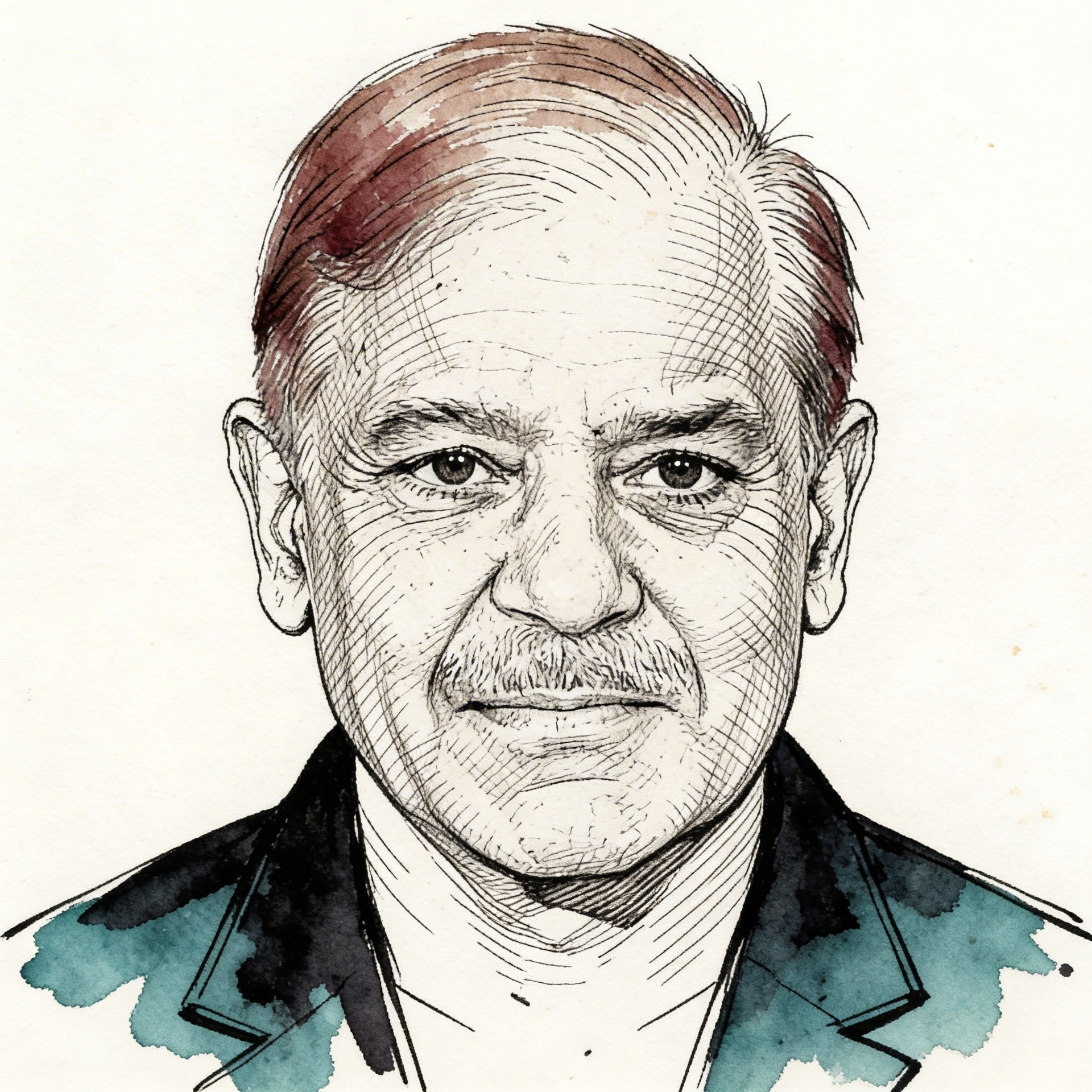
Shehbaz Sharif is Pakistan's prime minister and chief public announcer of the 2026 us-Iran peace process. Shehbaz Sharif is Pakistan's Prime Minister and the most publicly visible actor in the 2026 US-Iran Mediation. He opened The Channel in March 2026 by calling Iranian President Masoud Pezeshkian to offer Pakistan as host, then presided over the Serena Hotel proximity talks on 10-11 April, the first formal US-Iran negotiating contact since 1979. On 12 June 2026 he declared publicly that 'a final, agreed upon text' of the deal had been reached, while US Vice President JD Vance simultaneously called it 'still TBD' and a senior US official put completion at 75 per cent. His visibility deepened further on 1 July when he led
Pakistan's delegation to Ali Khamenei's state funeral, one of more than 30 nations Iran invited after excluding every European government. Sharif returned to office in March 2024 for his second term. He leads the Pakistan Muslim League (N), the party of his elder brother Nawaz Sharif, and governs under tight IMF conditionality that makes a diplomatic dividend an economic necessity. Pakistan's Mediation runs on two tracks: Sharif carries the announcements and commercial channel (Beijing, Washington) while Interior Minister Mohsin Naqvi shuttles written messages from Sharif and Army Chief Asim Munir to Tehran, co-ordinating with Qatar, Turkey, and Egypt. Sharif's credibility is staked on the deal's outcome. By announcing completion before either principal confirmed it, he has assumed the reputational
Reference
What is Pakistan's interest in mediating between the US and Iran?
What is the difference between Shehbaz Sharif and Nawaz Sharif?
Who is Shehbaz Sharif?
Did Shehbaz Sharif meet Erdogan in Jeddah in August 2026?
Did Pakistan's prime minister attend Ali Khamenei's funeral?
Why did Shehbaz Sharif announce the Iran deal before the US confirmed it?
Did Pakistan broker the US-Iran deal in 2026?
Who is Shehbaz Sharif and why is he involved in the Iran nuclear deal?
Who is Mohsin Naqvi and what is his role in the Pakistan-Iran talks?
Why is Pakistan involved in Iran-US diplomacy?
Is Pakistan hosting US-Iran nuclear talks?


