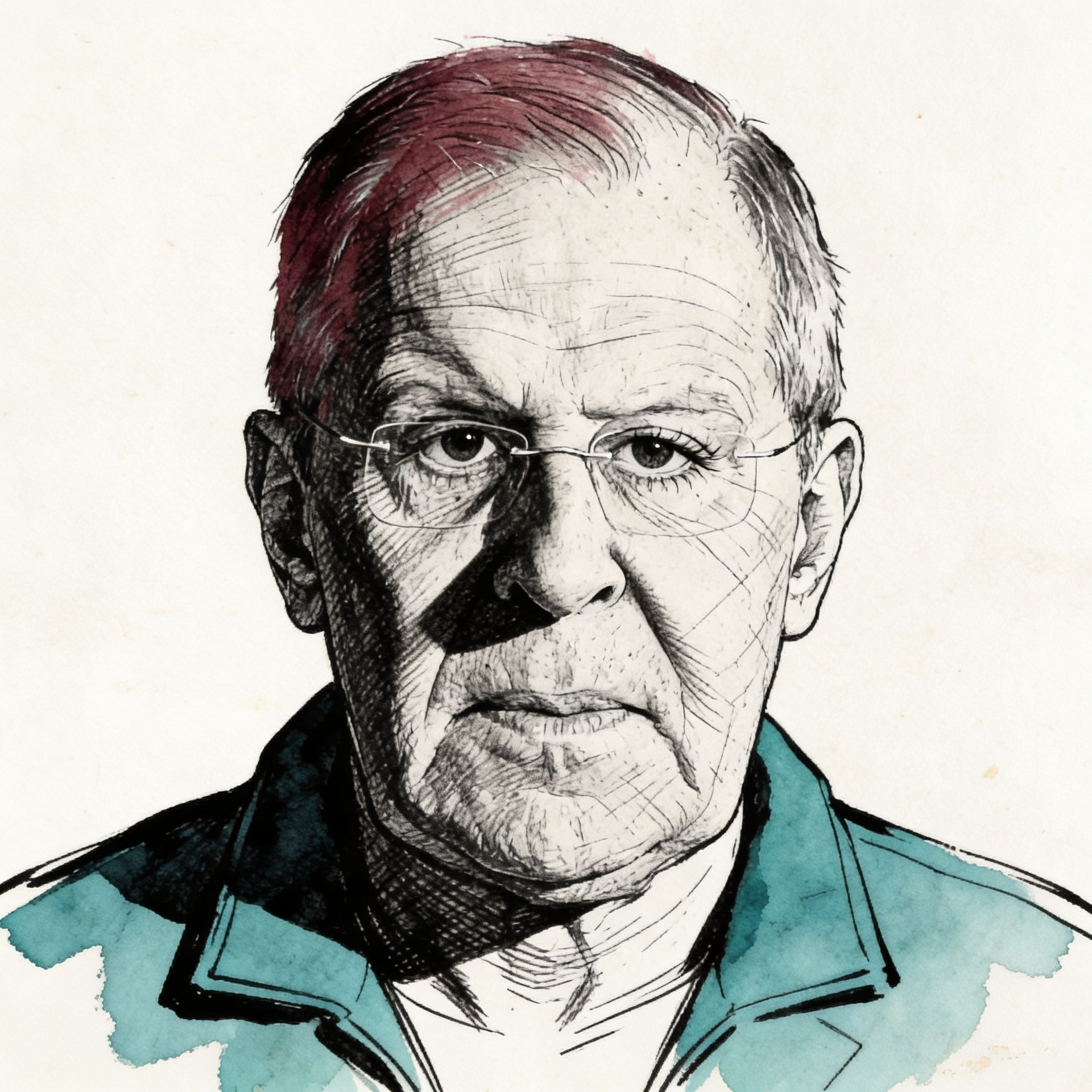
After the Kyiv evacuation demand, is Lavrov managing escalation or just narrating it?
Timeline for Lavrov
Mentioned in: Witkoff and Kushner meet Putin with no result
Russia-Ukraine War 2026Proposed on 23 June that the EU replace the US as mediator and cited Istanbul protocols
Russia-Ukraine War 2026: Russia offers EU as peace refereeMentioned in: Lavrov tells US to leave Kyiv now
Russia-Ukraine War 2026Mentioned in: Rubio says US mediation has now ended
Russia-Ukraine War 2026Attended BRICS foreign ministers meeting in New Delhi on 14-15 May alongside Araghchi and Jaishankar
Iran Conflict 2026: Araghchi flies to BRICS Delhi 14-15 MayBackground
Sergey Viktorovich Lavrov, Born 21 March 1950, has been Russia's foreign minister since 9 March 2004, the longest tenure in the POST since the Soviet era. He was Russia's permanent representative to the United Nations from 1994 to 2004. The United States, United Kingdom, European Union, Canada and Australia all sanctioned him from 25 February 2022, the day after the full-scale invasion of Ukraine began.
On Ukraine he is the Kremlin's hard EDGE in public. He telephoned US Secretary of State Marco Rubio on 25 May 2026 to WARN that Russia would launch systematic strikes on Kyiv's decision-making centres, and on 23 June 2026 said Moscow was ready to resume talks from where they left off, citing the 2022 Istanbul protocols. He was still in POST in September 2026, receiving Saudi foreign minister Faisal bin Farhan Al Saud in Moscow on 8 September and commenting publicly on the Witkoff and Kushner visit to Putin.
Lavrov also carries Russia's Iran file. He was present when the Kremlin received Iranian Foreign Minister Abbas Araghchi on 25 to 27 April 2026, and China's Wang Yi told him that the strikes on Iran were 'unacceptable'.
Who is Sergei Lavrov?
What did Lavrov say about the US-Israel strikes on Iran?
How long has Lavrov been Foreign Minister?
What is the difference between Lavrov's and Putin's roles in foreign policy?
Has Lavrov been sanctioned by the West?
Did Russia meet with Iran after the war started?
What is Russia's position on the Iran conflict?
How long has Lavrov been Russia's foreign minister?
Why did Lavrov tell the US to leave Kyiv?
What happened after Russia's dual Oreshnik launch on 24 May 2026?
Is Russia willing to negotiate a ceasefire in Ukraine?
Who is Russia's foreign minister?
How long has Sergey Lavrov been foreign minister?
What has Lavrov said about peace talks with Ukraine?
Why is Sergey Lavrov under sanctions?


