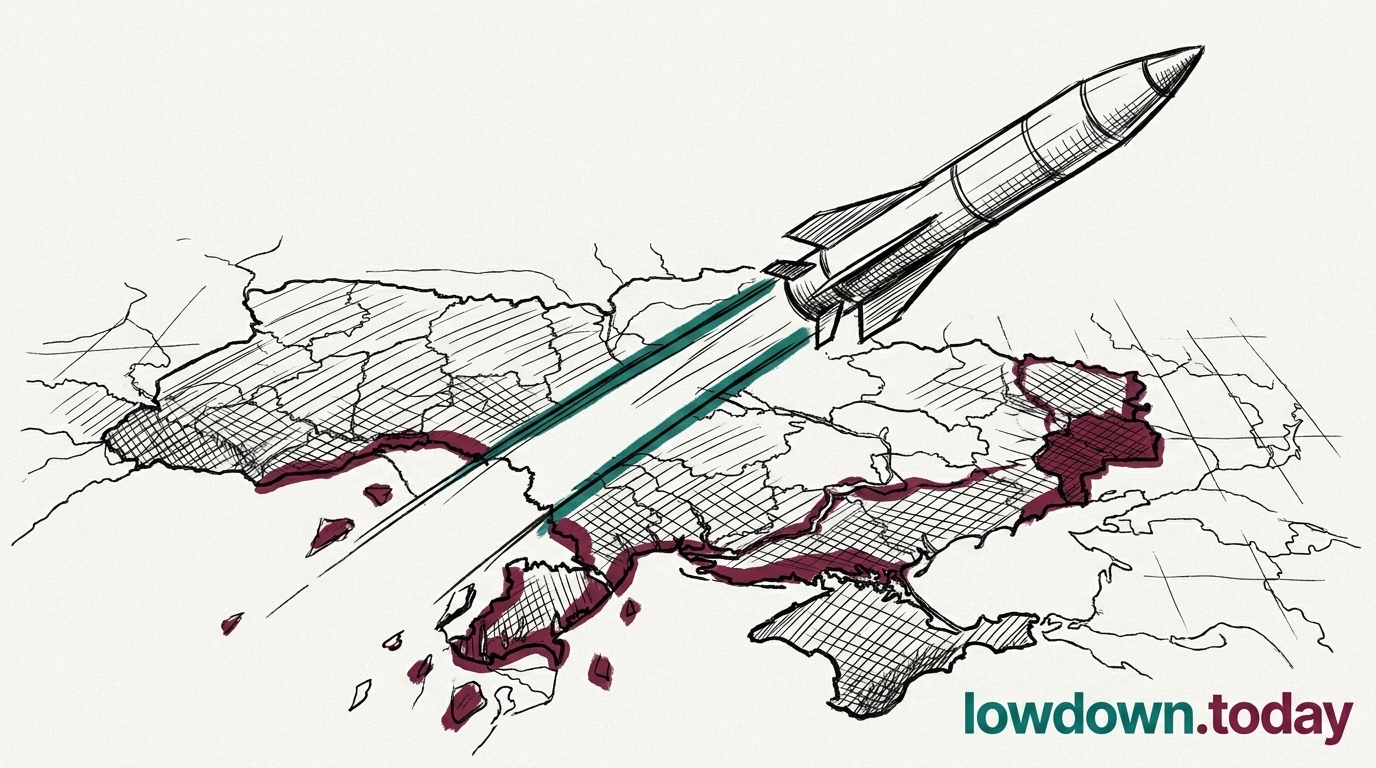
Sergei Lavrov called US Secretary of State Marco Rubio on 25 May to warn that Russia would launch "systematic and consistent strikes" on Kyiv's decision-making centres and to demand the evacuation of US diplomatic staff and American citizens. Russia has issued general warnings about Western involvement before; formally demanding one nation's diplomats leave one city, a day after striking it with nuclear-capable missiles, is a different category of coercion.
The demand serves Russia's escalation architecture two ways. It creates a record: if US embassy staff are killed in a future strike, Moscow can argue it warned them. And had the US complied, even partially, it would have validated Russia's claim that Kyiv is a legitimate target for systematic bombardment.
Rubio relayed the warning to Trump but announced no drawdown. EU Ambassador Katarina Mathernova answered "We stay in Kyiv," and Ukrainian Foreign Minister Andrii Sybiha called the demand "Russian blackmail." The allied solidarity is clear, but the episode has generated a new diplomatic grammar around Kyiv's status as a capital under threat.
The Lavrov-Rubio channel is the war's only remaining US-Russia direct line. Bloomberg confirmed this was their first contact since 5 May, a 20-day gap that spanned both Istanbul Round 1 and the first 205-for-205 tranche.




