The New York Times (NYT) and Wall Street Journal (WSJ) reported on 18 May that Israel operated two covert military bases in Iraq's western desert from late 2024, with one base near Najaf and Karbala roughly 100 kilometres south-west of Baghdad and close to the Saudi border. The bases functioned as Israeli special-forces housing, an air-operations logistics hub, and search-and-rescue staging for downed pilots. The WSJ added that one base 'operated with the knowledge of the United States'; US officials denied direct involvement. Iraq publicly denied authorising any foreign military presence. The same Iraqi officials had privately protested to Washington in late March 2026, six weeks before the disclosure, according to the NYT. Baghdad absorbed the violation silently across that window, without an Iraqi parliamentary debate. Iraq runs a 329-seat Council of Representatives in which Iran-aligned factions hold a working bloc; a public protest would have triggered a no-confidence motion against Prime Minister Mohammed Shia al-Sudani, which the private channel was engineered to avoid. The covert-basing date pre-dates the 28 February strike by 14 months. The 'joint Israel-US surprise' framing that has organised public coverage of the war since Day 1 sits awkwardly against a prepared forward-basing infrastructure with western Iraq as its rear area. Hui Chuan's seizure outside Fujairah and the broader Hormuz interdiction tempo sit inside the same pre-staged operational picture, which means the planning horizon is now visibly longer than the operational tempo had suggested. Baghdad's late-March protest was absorbed by Washington without public disclosure, six weeks before the NYT and WSJ broke the story. The diplomatic management appears engineered to survive the kind of host-state protest that normally forces public renegotiation: a private demarche on a covert base built fourteen months in advance, against a NATO partner-of-convenience whose 329 parliamentarians have not yet been notified at the time of publication. Iraq also runs the bilateral Hormuz passage system Foreign Minister Abbas Araghchi codified in mid-May , making the sovereignty breach a live commercial as well as political problem for Baghdad.
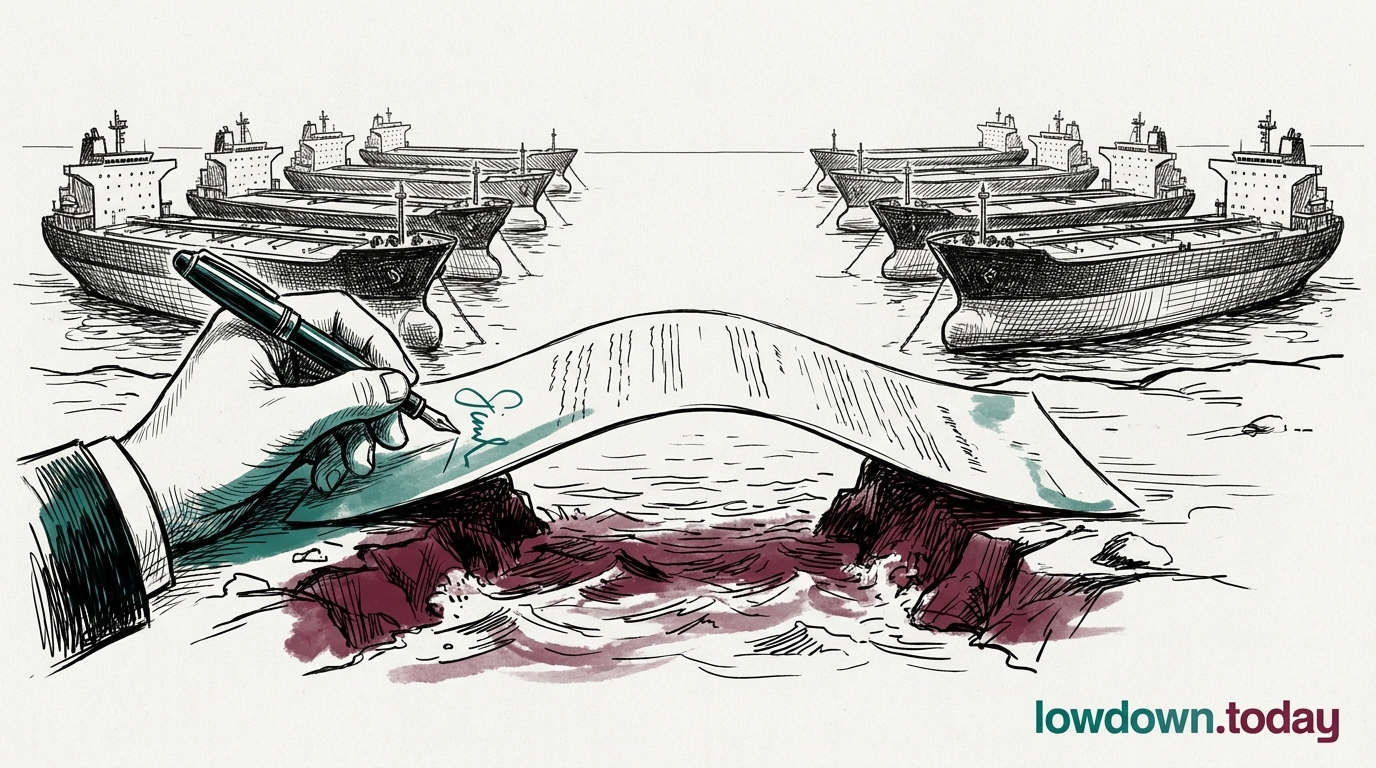
Israel ran covert bases in Iraq
The New York Times and Wall Street Journal reported that Israel operated two covert military bases in Iraq's western desert since late 2024; Iraq protested privately to Washington in March.
Israel has run covert Iraqi bases since 2024; Baghdad protested privately, six weeks before disclosure.
Deep Analysis
Israel secretly operated two military bases inside Iraq without Iraqi government authorisation. The bases, discovered in the western Iraqi desert, were used to house Israeli special forces and to support search-and-rescue missions for downed Israeli pilots during strikes on Iran. Iraq publicly denied knowing about them and privately complained to Washington. This matters because Iraq is technically not a party to the current conflict. Having Israeli forces operating from its soil, without permission, puts Baghdad in an impossible position: it cannot ignore it without looking complicit to Iran-aligned groups inside Iraq, and it cannot expel the forces without risking US displeasure.
Israel's preemption doctrine requires forward staging close to Iran's western flank, and the western Iraqi desert offers the only land-based proximity available without crossing Jordanian or Saudi territory.
Iraq's post-2003 sovereignty deficit, the gap between Baghdad's formal authority and Washington's actual control of basing decisions, has structurally allowed host-state protests to stay private rather than escalate to public renegotiation. The United States accepts a deniability buffer between Tel Aviv and Tehran that lets Israeli operations proceed without American forces being directly implicated.
Iran's IRGC-Quds Force presence in southern Iraq creates a targeting requirement on the Israeli side that 14 months of advance basing was designed to service. Each driver sits independently upstream of the bases; together they explain why Baghdad's March 2026 protest produced silence rather than withdrawal.
- Risk
Iran-aligned militias in Iraq will use the disclosure to justify retaliatory strikes against US forces at Al-Asad and Ain Al-Asad air bases, framing them as legitimate targets for aiding Israeli operations.
Immediate · 0.72 - Consequence
Baghdad's private Washington protest may escalate to a formal parliamentary resolution demanding US troop withdrawal, destabilising the CENTCOM logistics network for Hormuz operations.
Medium term · 0.58 - Precedent
The normalisation of covert Israeli military presence in Arab states without formal agreement sets a new baseline for shadow-alliance architecture in the post-Abraham Accords Middle East.
Long term · 0.65
Update #101 · Barakah hit, Trump posts, Italy sends minesweepers





