How does an Israeli base near the world's largest pilgrimage site reshape Iran's war narrative?
Timeline for Karbala
Iraq to host Khamenei funeral rites
Iran Conflict 2026Iran claims 100 nations, confirms two
Iran Conflict 2026Mentioned in: Israel ran covert bases in Iraq
Iran Conflict 2026Background
Karbala was named alongside Najaf as the location of covert Israeli military bases that Israel operated in Iraq's western desert from late 2024, according to The New York Times and Wall Street Journal on 18 May 2026. The bases, roughly 100 kilometres south-west of Baghdad, functioned as special-forces housing, air-operations logistics hubs, and search-and-rescue staging points for pilots involved in the Iran conflict. Iraq publicly denied sanctioning any foreign military presence but had privately raised objections with Washington in March 2026. Karbala returned to the story on 3 July 2026 when Iran extended Ali Khamenei's state funeral processions into Iraq for the first time, running through the city alongside the traditional Tehran, Qom and Mashhad routes over the 4-9 July funeral.
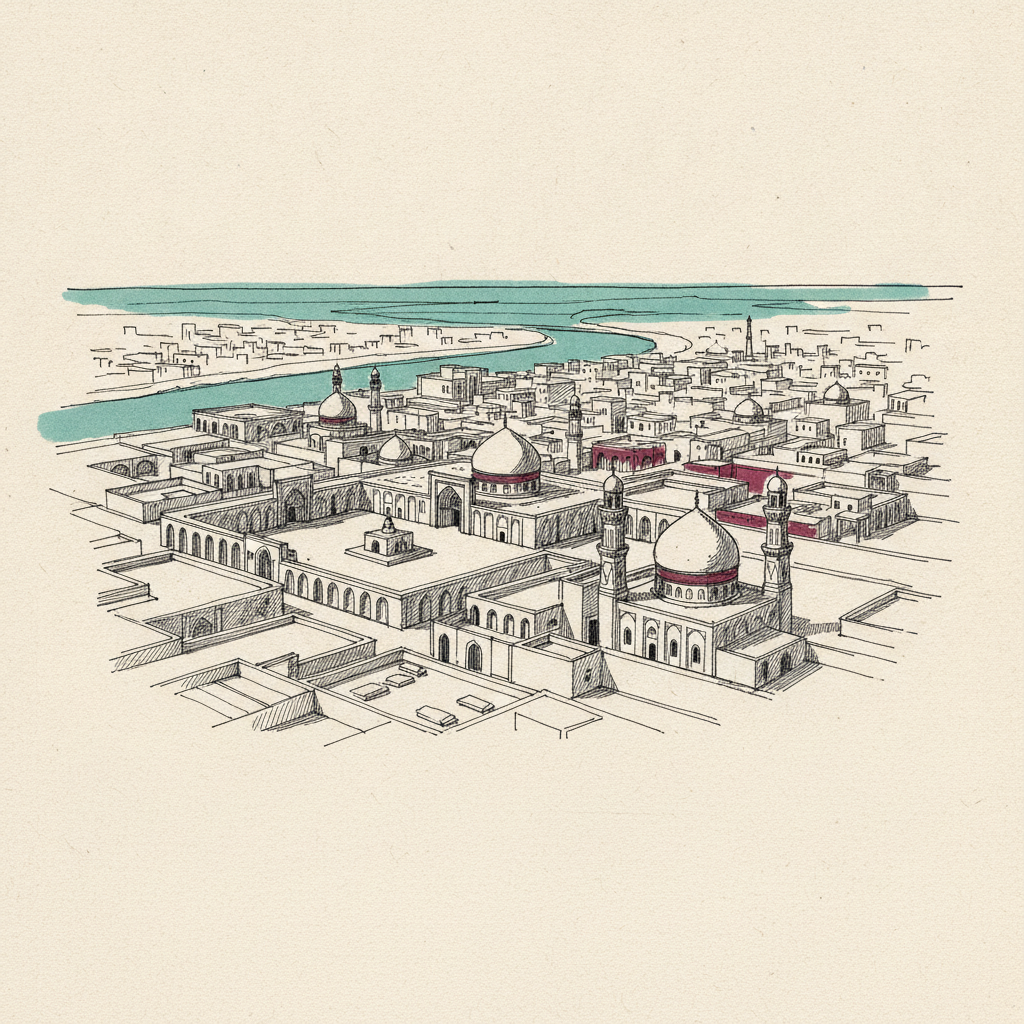
Karbala is Islam's third-holiest city for Shia Muslims, site of the Battle of Karbala in 680 CE and the shrine of Imam Hussein, grandson of the Prophet Muhammad. The city of roughly 700,000 permanent residents swells to several million during Arba'een, the world's largest annual human gathering, each year. It lies approximately 80 kilometres south-west of Baghdad and is the administrative centre of Karbala Governorate.
The revelation that Israeli forces operated a logistics base in the immediate vicinity of the Imam Hussein shrine carries profound symbolic consequences for Iran's theocratic framing of the conflict. Iran has consistently portrayed its military posture as defensive of Shia holy sites against Israeli and American encroachment, and extending Khamenei's funeral procession across the border into Karbala for the first time serves the same purpose: projecting the Islamic Republic's Shia religious authority beyond its own territory even as the succession to Mojtaba Khamenei remains contested at home. The disclosure of the covert base still places the Iraqi government in an untenable position between its Shia political base and its US security relationship.
What did Israel do near Karbala during the Iran war?
Why is Karbala considered holy in Shia Islam?
How far is Karbala from Baghdad?
Did Iraq know about the Israeli bases near Karbala?
Why is Khamenei's funeral procession going to Karbala?

