Pakistan
Nuclear-armed South Asian republic of 240 million; IMF-dependent economy now mediating the Iran Ceasefire.
On 17 August, Pakistan carried messages between Washington and Tehran after Iran rejected a 60-day Ceasefire extension.
Last refreshed: 1 October 2026 · Appears in 5 active topics
How did Pakistan become the sole conduit between Washington and Tehran in 2026?
Timeline for Pakistan
Became responsible for enforcing against a designated company on its soil
Iran Conflict 2026: Treasury names 10 Iran missile suppliersQatarEnergy suspends gas as ships move
Iran Conflict 2026Abstained on the renewal vote
Iran Conflict 2026: Russia and China kill Iran's UN monitorMentioned in: Ondas buys fuze maker GATE for US$205m
Drones: Industry & DefenceCarried messages between Tehran and Washington
Iran Conflict 2026: Tehran won't extend the Islamabad clockBackground
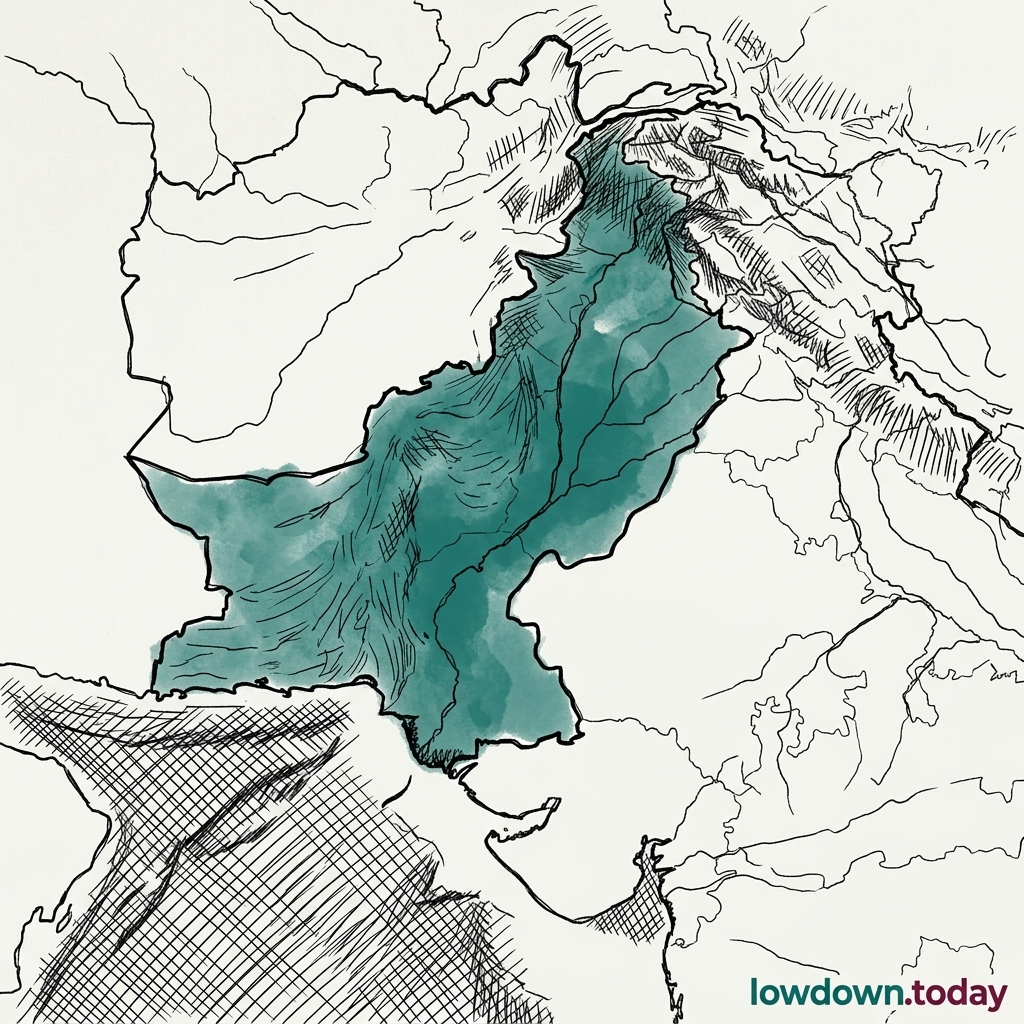
Pakistan is a nuclear-armed South Asian federal parliamentary republic of roughly 240 million people. Its border with Iran runs through Balochistan, placing it between The Gulf, Central Asia and the Indian subcontinent.
Its diplomatic value rests on the ability to use civilian and military channels together. On 6 June, Interior Minister Mohsin Naqvi carried written messages from Prime Minister Shehbaz Sharif and Army Chief Asim Munir to Tehran, then met Iranian Foreign Minister Abbas Araghchi.
Pakistan also links the Iran file to China. On 25 May, Sharif and Munir met Xi Jinping in Beijing after Munir had travelled from Tehran, combining diplomatic contact with Pakistan's strategic relationship with Beijing.
Pakistan keeps the channel open
On 17 August, Pakistan was carrying messages between Washington and Tehran after Iran ruled out extending the 60-day Ceasefire Deadline. Islamabad remained a conduit for both sides, but Iran had not decided whether to resume talks with Washington.
On 25 July, Iran's interior minister met Pakistan's Army chief after the Oman, Qatar and Baghdad channels stalled. The meeting made Pakistan the successor channel, drawing on contacts across civilian and military institutions. Its leverage was limited: the proposed halt to Gulf attacks broke within hours.
Pakistan submits a truce plan
On 22 July, Pakistan joined Qatar, Egypt and Oman in submitting a ten-day Ceasefire proposal to Washington and Tehran. The proposal sought to reopen navigation through the strait of Hormuz while wider negotiations continued, giving Pakistan a formal role in setting terms rather than only relaying messages.
Also on 22 July, Iran filed a separate ten-day proposal with Washington while strikes continued. The competing texts showed the boundary of Pakistan's influence: it could HELP put a draft before both parties, but could not turn rival wording into a shared agreement.
Reference
What is Pakistan's IMF programme and how does it affect its mediation role?
What is the ten-day ceasefire proposal Pakistan helped submit?
Why did Pakistan's PM and army chief both go to Beijing in May 2026?
What has Pakistan's army chief Asim Munir done in the Iran-US talks?
What is Pakistan's role in the Strait of Hormuz shipping crisis?
What did Iran's revised ceasefire proposal say?
What is the four-country nuclear monitoring framework Pakistan proposed?
Why is Pakistan mediating between the US and Iran in 2026?
What is Pakistan's role in the Doha talks in June 2026?
What role is Pakistan playing in the Iran-US ceasefire talks?
Pakistan vs Turkey Iran mediation role?
Did Pakistan negotiate a Hormuz shipping deal with Iran?


