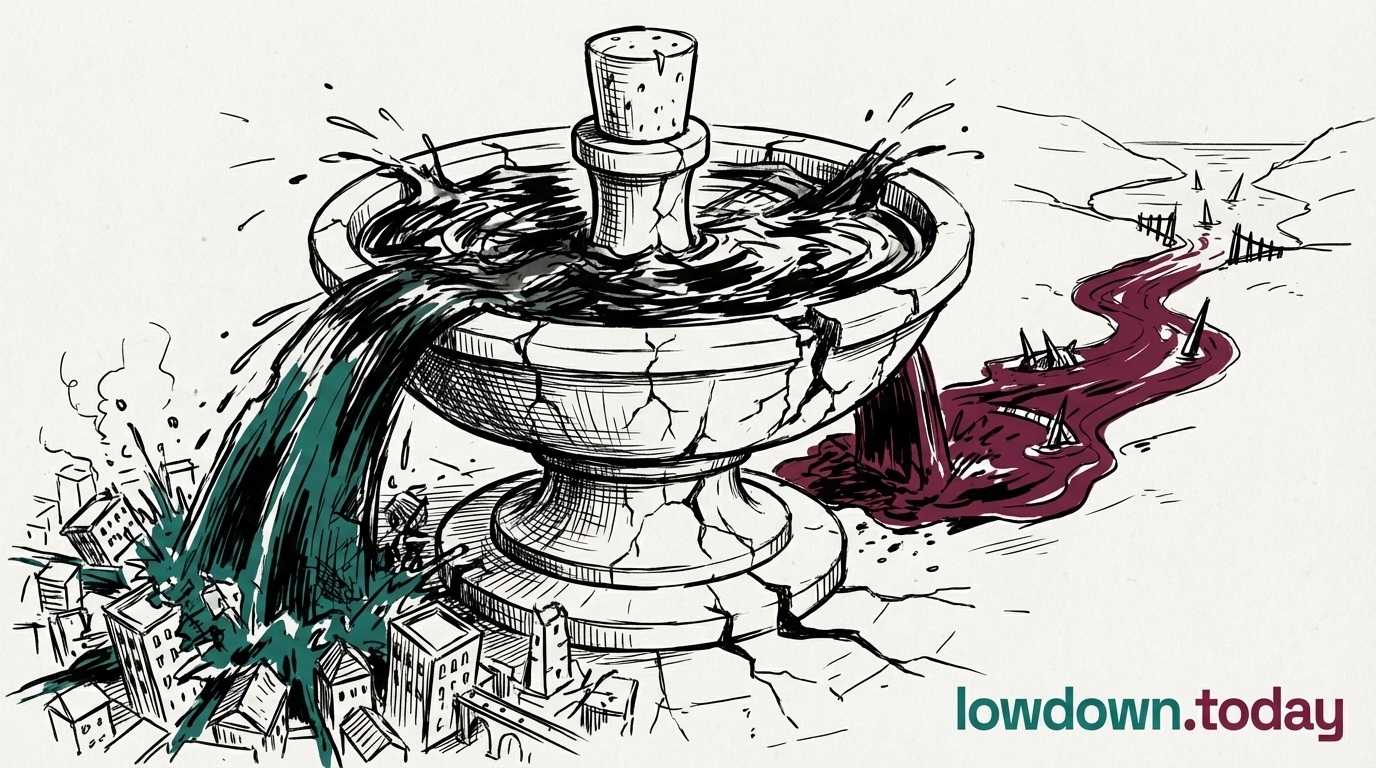
Pakistani prime minister Shehbaz Sharif met Xi Jinping in Beijing on Monday 25 May, day three of a four-day state visit, with army chief Asim Munir also in the Chinese capital1. Munir had flown to Beijing straight from Tehran, which he visited on 23 May, while Sharif and his foreign minister arrived in China on the same Saturday.
Pakistan has run as the principal back-channel between Washington and Tehran through the war. For the first time both of its principals are in Beijing at once, coordinating with China in person rather than through relayed messages, and on the days the deal sits at its closest. Munir's shuttle from Tehran on 23 May to Beijing by 25 May collapses two mediation tracks into a single room.
The venue matters more than the photographs. China holds the tools the sequencing deadlock needs a third party to provide: frozen-fund mechanics, yuan settlement, and the standing to vouch for who pays whom and when. Beijing also already hosts Iran's designated China envoy, speaker Mohammad Bagher Ghalibaf, appointed in late April with sign-off from both President Masoud Pezeshkian and Supreme Leader Mojtaba Khamenei, so the Iranian contact is already in the city.
A joint Pakistan-China statement is expected by 27 May, its content still undisclosed. Whether it names a mechanism for escrowing the frozen assets against a reopening of the strait, or leaves that clause untouched, will matter more than anything in the visit's choreography.


