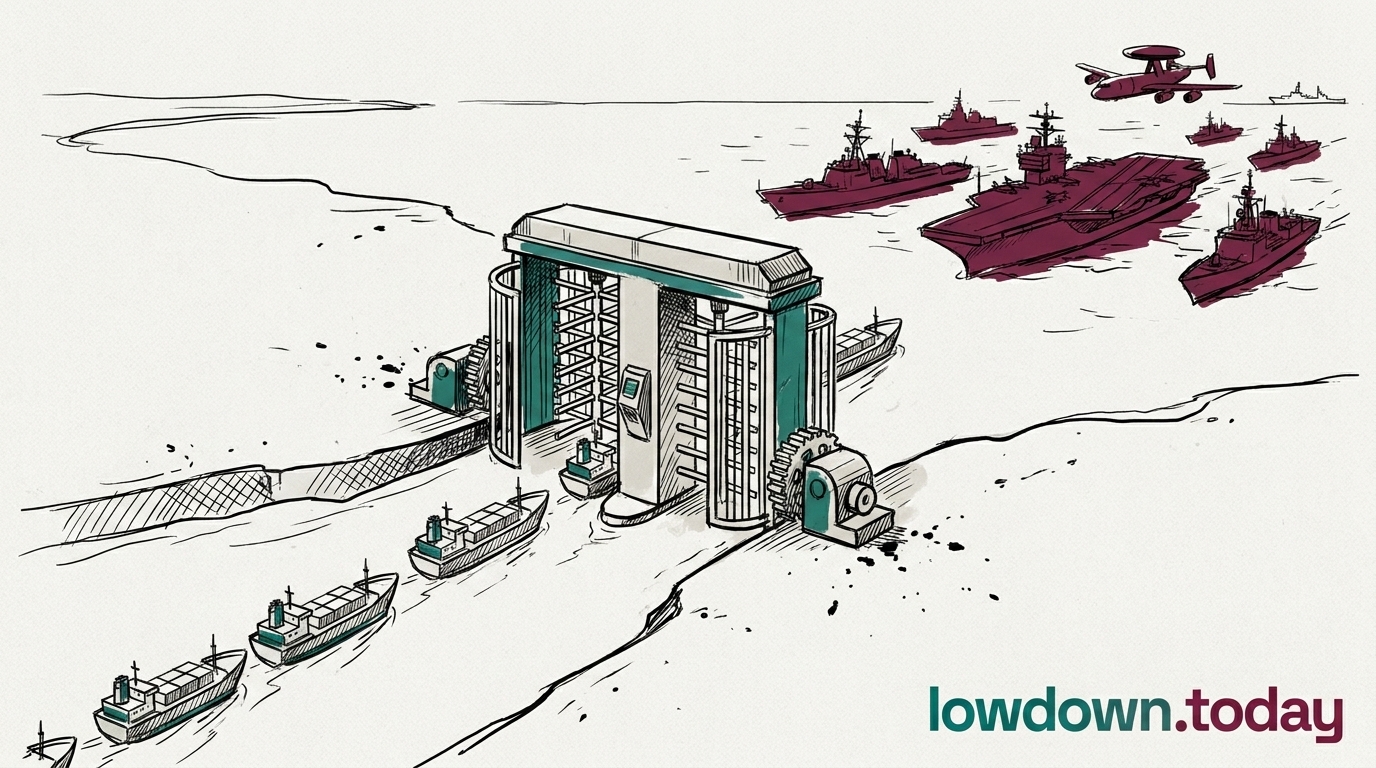
Speaker Mohammad Bagher Ghalibaf was appointed Iran's special representative for China affairs on 18 May 2026 with dual approval from President Masoud Pezeshkian and Supreme Leader Mojtaba Khamenei, Special Eurasia reported1. The publication noted his authority on the brief is 'broader than previous China-related appointments' and covers energy, infrastructure, sanctions circumvention and strategic technology. Special envoys with parliamentary-speaker rank are rare in the Islamic Republic's foreign-policy machinery; the dual sign-off is rarer still.
Ghalibaf coined 'Operation Trust Me Bro' to bury the original 14-point US Memorandum of Understanding and presided over the Majlis's 221-0 vote that suspended International Atomic Energy Agency (IAEA) cooperation on 11 April. His China envoy role extends the Beijing channel Iran already locked in with a resident ambassador, but where the ambassador posting was a civilian-track appointment, this one carries parliamentary-speaker authority with Supreme Leader endorsement. The institutional fault line between Pezeshkian's elected government and the IRGC-aligned clerical establishment has been the longest-standing internal divide of the war. On the China file, that line just closed.
The constitutional staging carries weight beyond the politics. Posting a brief at this rank places it outside the Foreign Ministry's usual veto chain, which means Abbas Araghchi's diplomatic team cannot quietly slow-walk it from within. Beijing now has a single empowered counterpart for everything from refinery quotas to dual-use semiconductors, holding cross-factional cover. The mirror image arrived from Washington the same morning: OFAC's 19 May SDN round again added no mainland Chinese refineries.


