How does EO 14380's fuel embargo differ from EO 14404's sanctions track?
Timeline for EO 14380
Background
EO 14380's fuel-tariff track kept running through July even as EO 14404 deepened on a separate front: the 23 July designation of Cuba's medical-missions programme. Granma called that wave "castigo colectivo", collective punishment, the same charge UN rapporteurs had levelled at EO 14380 itself five months earlier.
Executive Order 14380 was signed by President Trump on 29 January 2026, declaring a national emergency over Cuba and authorising secondary tariffs on any third country supplying it with oil or petroleum products. Three UN Special Rapporteurs condemned the order on 12 February 2026 as "an extreme form of unilateral economic coercion with extraterritorial effects", warning that restricting Cuba's fuel imports risks constituting collective punishment under international humanitarian law.
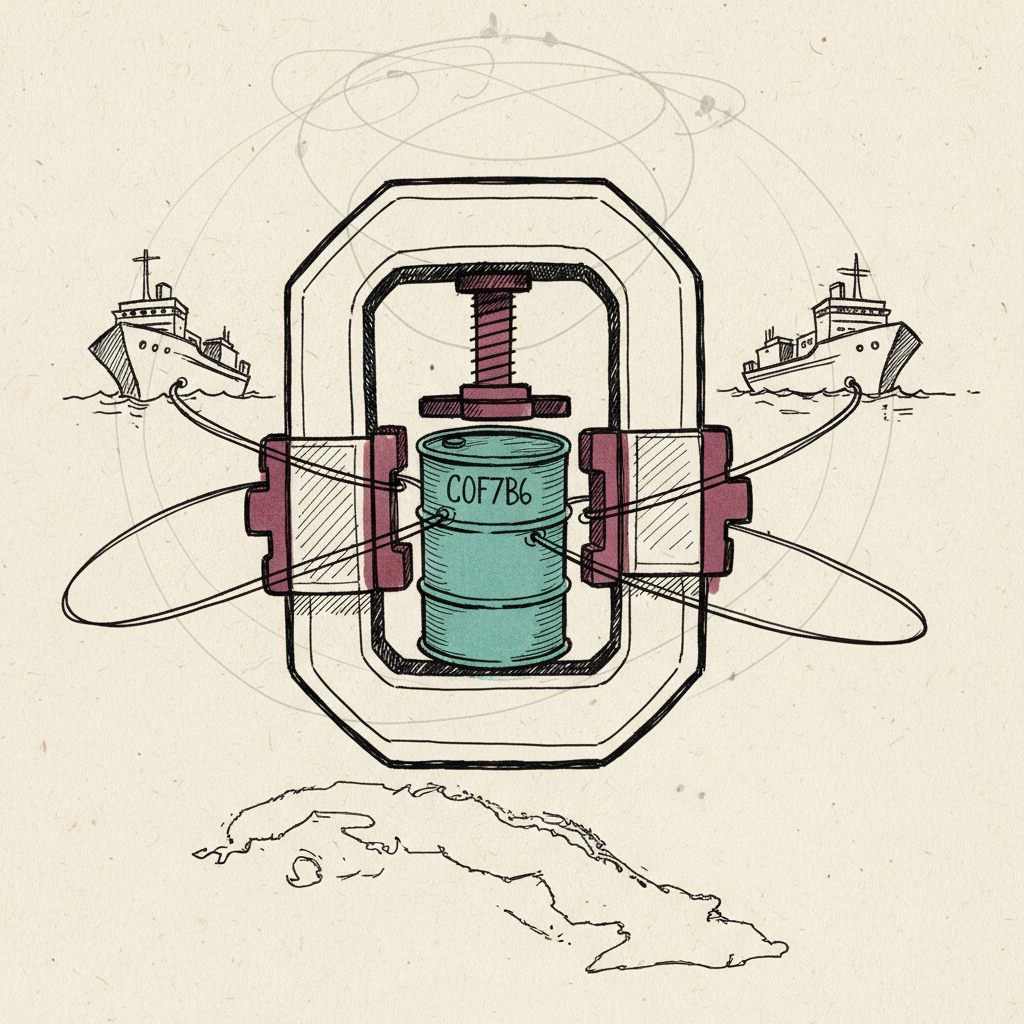
By mid-2026 EO 14380 sits inside a dual-EO architecture: it governs fuel-supply pressure on third-country shippers while EO 14404, signed 1 May, governs personal designations against named officials, most recently used against Cuba's medical-missions programme. Licensing carve-outs, from the lapsed Russian-crude wind-down GL 134B to the narrow Venezuelan-oil exception for private buyers, run on separate tracks under each order.
What is Executive Order 14380?
Is EO 14380 legal under international law?
Which countries are affected by EO 14380 Cuba sanctions?
Did the US make any exceptions to the Cuba oil ban?
What is OFAC General Licence 134B under EO 14380?
Why did the UN condemn EO 14380?
Can Cuban private companies buy Venezuelan oil under EO 14380?
What impact has EO 14380 had on everyday Cubans?
What is the difference between EO 14380 and EO 14404 on Cuba?
Is General Licence 134B still in effect for Cuba?
Did the medical-missions sanctions come under EO 14380 or EO 14404?
