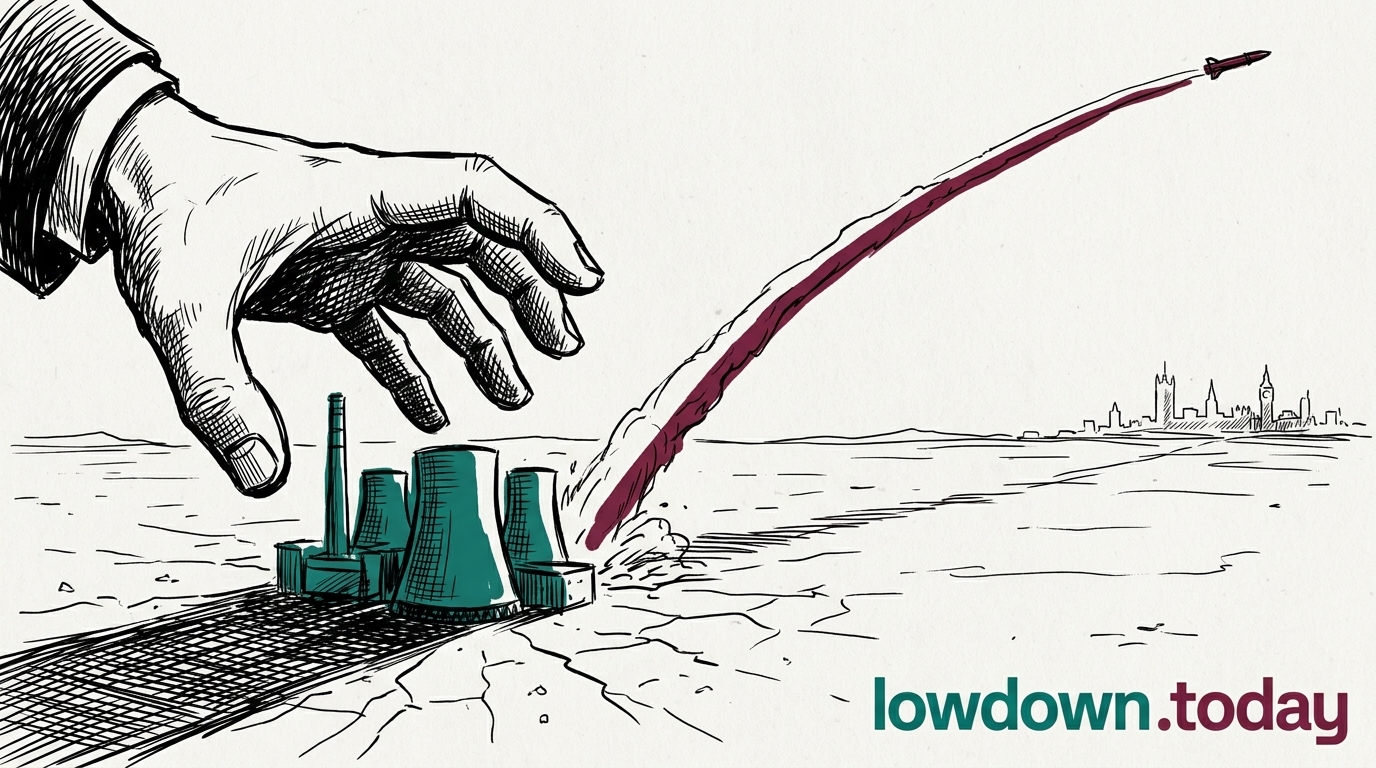
Saudi forces shot down 47 drones in 24 hours on Saturday — 38 of them within a three-hour window — on the same day Riyadh expelled Iranian diplomatic staff 1. The three-hour cluster is the densest single engagement Saudi air defences have reported in this conflict.
The rate is not new; the accumulation is. Earlier in the week, Saudi Arabia intercepted more than 60 drones in a single day and four ballistic missiles targeting Riyadh and the eastern provinces . Cumulative Gulf-wide interceptions have exceeded 2,000 since 28 February . The UAE alone has intercepted 298 ballistic missiles, 15 cruise missiles, and 1,606 drones . A Greek-operated Patriot battery near Yanbu — currently The Gulf's only functioning crude export outlet — scored its first combat engagement stopping two Iranian ballistic missiles, though a drone evaded the system and struck the SAMREF refinery .
The operational problem is cost. Saudi Arabia's layered defences — Patriot PAC-3, THAAD, and shorter-range systems — were procured for high-end Ballistic missile threats, not daily attrition warfare against swarms of unmanned aircraft that Iran can produce at a fraction of the interceptor's price. A single Patriot PAC-3 MSE round costs approximately $4 million; the Shahed-series drones it destroys cost Iran tens of thousands of dollars each. This asymmetry defined the Houthi drone campaigns against Saudi Arabia from 2019 to 2022, but those averaged a handful of attacks per week. Iran is now launching dozens per day, directly, at several times the Houthi-era intensity. Secretary Rubio's emergency bypass of congressional review to push $16.5 billion in arms sales to Kuwait, the UAE, and Jordan reflects the speed at which Gulf States are consuming defensive stocks — and the political cost Washington is absorbing to replenish them.
The Saudi interception rate remains high, but no air defence system operates at 100% indefinitely. The drone that reached the SAMREF refinery at Yanbu, the one that shut down Dubai International Airport for seven hours , and the strikes on Kuwait's Mina Al-Ahmadi refinery all penetrated layered defences. Iran does not need to overwhelm Gulf air defences on every salvo. It needs only occasional leakage against targets whose destruction compounds the oil supply crisis the IEA has already measured at 8 million barrels per day lost. At current tempo, every day of war costs Gulf States irreplaceable interceptor stocks while Iran expends munitions its own IRGC spokesman has described as produced "a decade ago" — weapons Tehran considers expendable.