Skip to content
Welcome, thoughtbot's Giant Robots listeners!Start here
European Oil Markets
6JUL

OFAC SDN round skips mainland refineries again

3 min read
09:52UTC

OFAC's 19 May SDN round designated over a dozen individuals across Gaza, Turkey, Spain, Belgium, Jordan and Iran and over two dozen entities across Hong Kong, the UAE, the Marshall Islands, Panama, Liberia, Nevis, China and the UK, naming vessels BRIGHT GOLD, FEADSHIP, LUNA LUSTER, MIDAS and QUANTUM STAR; zero mainland Chinese refineries were added.

EconomicDeveloping
Key takeaway

OFAC keeps sanctioning shells and tankers while leaving the Chinese refinery counterparties untouched.

The US Treasury's Office of Foreign Assets Control published its 19 May 2026 SDN list update naming over a dozen individuals across Gaza, Turkey, Spain, Belgium, Jordan and Iran, and over two dozen entities in Hong Kong, the UAE, the Marshall Islands, Panama, Liberia, Nevis, China and the UK. Designated vessels included BRIGHT GOLD, FEADSHIP, LUNA LUSTER, MIDAS and QUANTUM STAR, OFAC's Recent Actions notice showed⁠1. Zero mainland Chinese refineries were added, continuing the pattern from the 11, 12 and 15 May rounds.

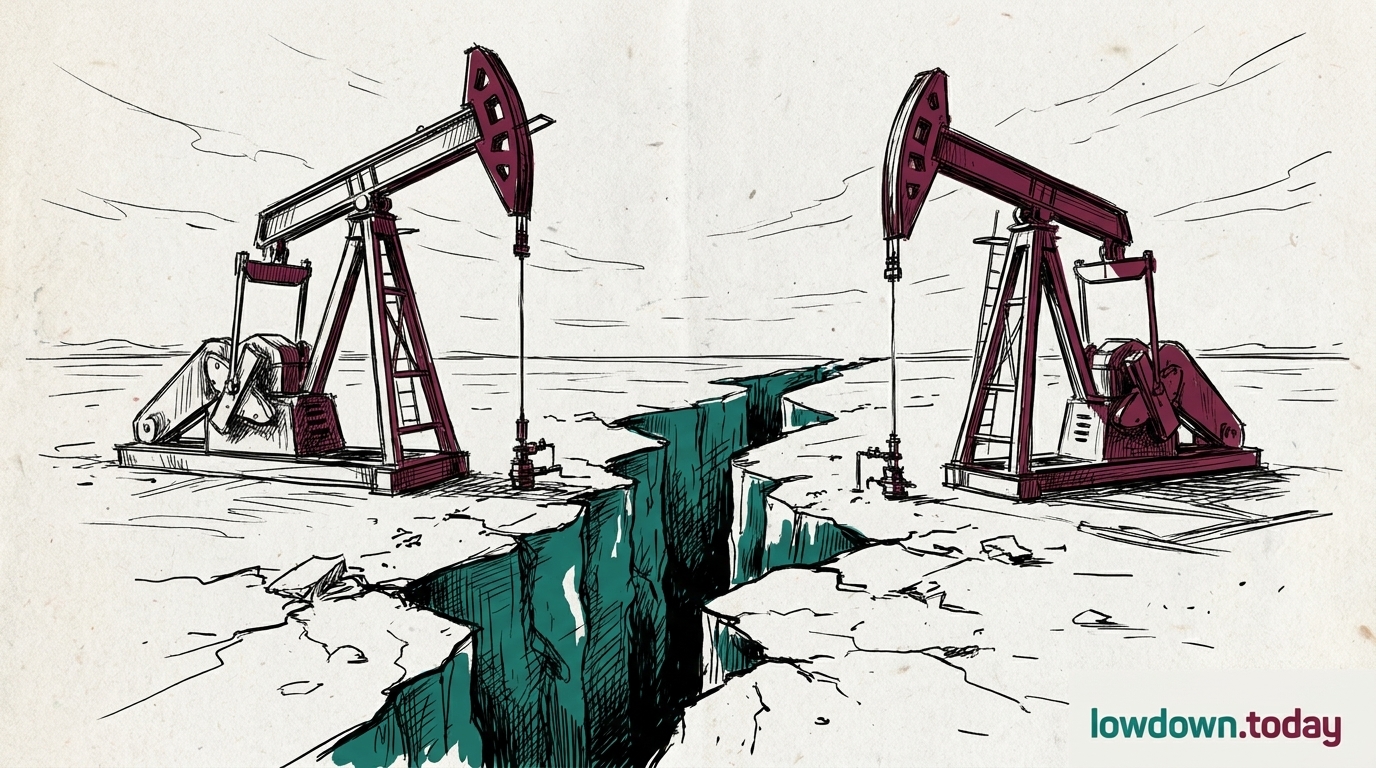
OFAC's choice of layers tells the structural story. The bureau had already used a 15 May round to designate twelve individuals and entities for routing IRGC oil to China, but targeted Hong Kong-registered shells rather than the mainland refineries actually processing the crude. The 19 May round repeats that geometry across a broader list of flag-of-convenience jurisdictions: Marshall Islands, Panama, Liberia, Nevis. These are the registries where named vessels like LUNA LUSTER and MIDAS are paperwork-resident; the cargo that those vessels carry, however, lands in mainland Chinese ports run by Sinopec and PetroChina subsidiaries, which OFAC's pattern continues to leave outside the sanctions perimeter.

The same morning Washington again declined to put a mainland Chinese refinery on the SDN list, Tehran promoted Speaker Mohammad Bagher Ghalibaf to special China envoy with cross-factional cover, which is the juxtaposition that matters. Iran is formalising the Beijing relationship at the same tempo Washington is structurally avoiding direct confrontation with it. The shell-and-vessel layer OFAC keeps designating absorbs the political pressure to act; the actual cargo flow, and the financial architecture behind it, remains unsanctioned by design.

Deep Analysis

In plain English

The US Treasury Department published a new list of people and companies it has sanctioned for helping Iran sell oil. The list includes several ships with names like BRIGHT GOLD and MIDAS, plus companies registered in Hong Kong, Panama and the Marshall Islands. Notably absent from the list: any Chinese oil refinery. China is the largest buyer of Iranian oil. The US has repeatedly sanctioned the middlemen the shell companies and ships that move the oil without targeting the Chinese refineries that are the actual end customers. That is because China passed a law in May 2026 saying Chinese companies cannot comply with foreign sanctions the Chinese government does not recognise, making direct refinery sanctions politically explosive.

Deep Analysis
Root Causes

The 19 May SDN round's structural avoidance of mainland refineries has a documented legal cause: China's MOFCOM Blocking Rules, enacted 2 May 2026, prohibit Chinese entities from complying with any foreign sanction that is not recognised under Chinese domestic law. Designating a MOFCOM-protected refinery would immediately trigger a Chinese retaliatory measure against US entities operating in China a consequence the Trump administration has deferred since the Beijing summit.

A second driver is the gap between OFAC's extraterritorial reach and the practical enforcement ceiling. OFAC can freeze US-dollar-denominated assets and block dollar-clearing correspondent relationships, but the 19 May designated vessels include several registered in jurisdictions Marshall Islands, Nevis, Liberia that have not co-enforced prior OFAC rounds. Without local-law enforcement, the designations constrain dollar-clearing access but leave physical vessel operations intact.

Escalation

The 19 May SDN round represents financial-system pressure at the intermediate layer, not a strategic escalation. The pattern of refinery avoidance is now a documented structural feature rather than a tactical choice, limiting the round's escalatory significance.

What could happen next?
  • Consequence

    Four consecutive OFAC rounds avoiding MOFCOM-protected mainland refineries has established a de facto Iran-China oil corridor with effective US tolerance, regardless of the administration's stated maximum-pressure posture.

    Immediate · 0.82
  • Risk

    Shell-layer designation without refinery designation creates a regenerating intermediate layer: new shells register in Nevis or Liberia within weeks at minimal cost, maintaining the same oil-routing function.

    Short term · 0.78
  • Precedent

    OFAC's structural avoidance of MOFCOM-protected entities will constrain every future US administration's Iran sanctions toolkit: the carve-out has been demonstrated, and China will defend it in any subsequent sanctions negotiation.

    Long term · 0.7
First Reported In

Update #102 · Iran signs Hormuz toll; Trump posts a cancelled strike

treasury.gov· 19 May 2026
Read original →
Causes and effects
Different Perspectives
S&P Global
S&P Global
S&P Global said on 12 November that thin refining buffers leave jet fuel exposed to price spikes in 2027. Its view cuts against the pump-lag case, because tight middle distillates would keep jet and diesel dear even as crude falls.
European Union
European Union
The Commission proposed a 22nd package on 23 November that would list more than 70 more tankers and ban Russia-insured ones, after listing Balance Insurance on 16 November. It needs every member state's vote, so Russian tanker insurance becomes the EU's next test of unanimity.
UK households and hauliers
UK drivers paid 193.29p a litre for diesel in the week of 23 November, DESNZ data show, 31.33p more than petrol, and BoilerJuice quoted heating oil at 96.51p a litre before VAT. They pay the gap that crude's fall has not closed, with motor fuels up 33.2% in October's inflation figures.
Saudi Arabia and the OPEC+ Seven
The OPEC+ Seven held December output at September's level on 1 November, and Saudi Aramco priced December Arab Light to Europe below Brent, Attaqa reported. The full group decides on Sunday 29 November whether about 2m b/d of cuts outlast 2026, with Saudi diesel loadings already up 30% in early November.
Eni
Eni
Eni reported a third-quarter standard refining margin of $28.1 a barrel and raised its full-year assumption from $14 to $18. Its finance chief Francesco Gattei said on the 23 October call that the quarter to date was at $18, press coverage reported, so the refiner sees its windfall shrinking.
Gulf oil producer
Gulf oil producer
Secured OPEC's confirmed 188,000 b/d September increment with the next meeting set for 6 September, but the Secretariat's own 2 August release says nothing about the fourth quarter. Output guidance beyond September remains undisclosed even as delegate sourcing keeps filling that gap.

Written with AI from Lowdown's published reporting. Not individually reviewed by an editor. Editorial standards.
