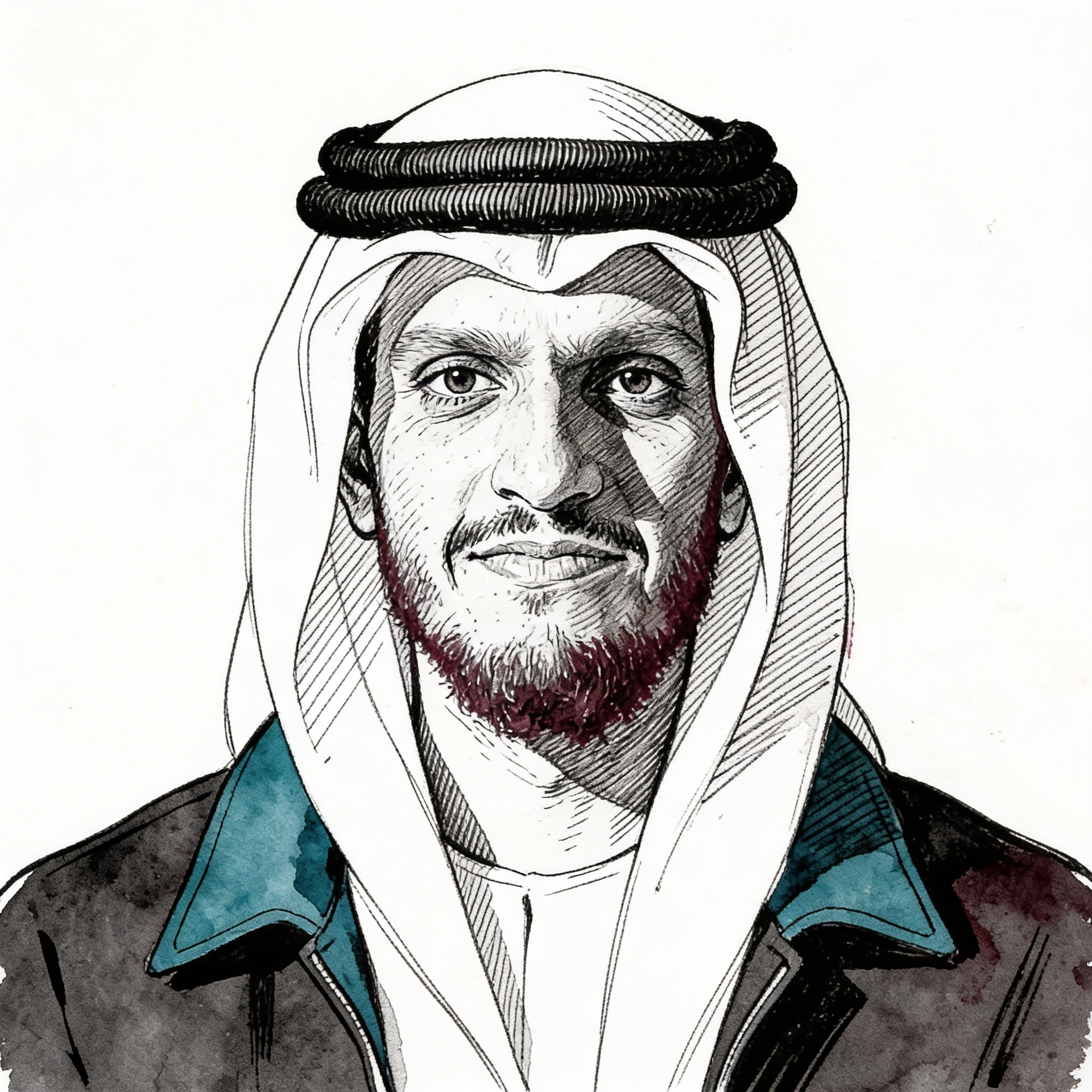
Did Sheikh Mohammed's 'weeks to normal' LNG pledge move the spread before a single Qatari molecule reached Europe?
Timeline for Sheikh Mohammed bin Abdulrahman Al-Thani
Urged Araghchi to commit to diplomacy and implement the memorandum
Iran Conflict 2026: Qatar summons Iran yet keeps mediatingJKM-TTF arb collapses as tankers return
European Energy MarketsMet Marco Rubio and JD Vance in Washington to discuss de-escalation while Iran struck Qatari-adjacent shipping
Iran Conflict 2026: Iran hits Doha tanker as Qatar PM meets RubioMentioned in: Iran fires 14 missiles at Qatar
Iran Conflict 2026Mentioned in: Araghchi phones Qatar PM between salvos
Iran Conflict 2026Background
Sheikh Mohammed bin Abdulrahman bin Jassim Al Thani has served as Qatar's Prime Minister and Minister of Foreign Affairs since 7 March 2023, combining both portfolios in one of The Gulf's most internationally active diplomatic roles. Born 1 November 1980 in Doha, he holds a degree in economics and business administration from Qatar University and has served as a senior member of the Al-Thani ruling family and close confidant of Emir Tamim bin Hamad Al Thani. He served as Deputy Prime Minister from 2017 to 2023 and as Chairman of the Qatar Investment Authority from 2018 to 2023, accumulating both diplomatic and financial governance experience before assuming the premiership.
Qatar's Mediation model is built on its ability to maintain direct channels with parties that do not speak to each other: Hamas, the Taliban, Iran, and the United States have all used Doha as a communications hub. Sheikh Mohammed is the principal interlocutor managing those channels at the foreign-minister level, making his public statements on regional security a primary market signal for anything that transits Qatari diplomatic bandwidth.
Sheikh Mohammed was in Washington on 10 May 2026 meeting Secretary of State Marco Rubio and Vice President JD Vance to discuss de-escalation of the Iran conflict precisely as Iran struck a bulk carrier 23 nautical miles north-east of Doha. The simultaneity of the diplomatic meeting and the strike on Qatari-adjacent waters puts Qatar's dual role — mediator for Washington and target of Iranian coercive signalling — into sharp structural tension. P&I insurers and shipping registries priced Qatar's mediator status as a risk multiplier rather than a protective factor following the strike.
On 24 June 2026, Sheikh Mohammed stated that Qatar's LNG output would return to normal within a few weeks, with 50% of Ras Laffan reachable one month after SAFE passage was established and 80% within two months. The statement provided the market's clearest timeline for Qatari LNG normalisation since the conflict began, though it came with the caveat that two destroyed Ras Laffan trains (4 and 6) CAP recovery near 83% of capacity for three to five years. Sheikh Mohammed linked restart timing explicitly to SAFE passage through the Strait of Hormuz, framing that precondition as dependent on US-Iran direct communication — a channel outside Doha's own control. The JKM-TTF arbitrage fell toward $2/MMBtu in the same session, as his statement, combined with seven Qatari LNG tankers already repositioning through Hormuz, reduced the war-risk premium embedded in Asian SPOT LNG prices.
Who is Qatar's prime minister mediating the Iran talks?
Why did Iran hit a ship near Doha while Qatar was mediating?
What is Qatar's role in the Iran nuclear negotiations?
How does Iran striking near Doha affect Qatar's mediator status?
Who is Sheikh Mohammed bin Abdulrahman Al Thani?
What did Qatar's PM say about LNG output returning in June 2026?
Why does Qatar's PM role matter for European gas prices?
When did Sheikh Mohammed become Qatar's Prime Minister?


