SAFE
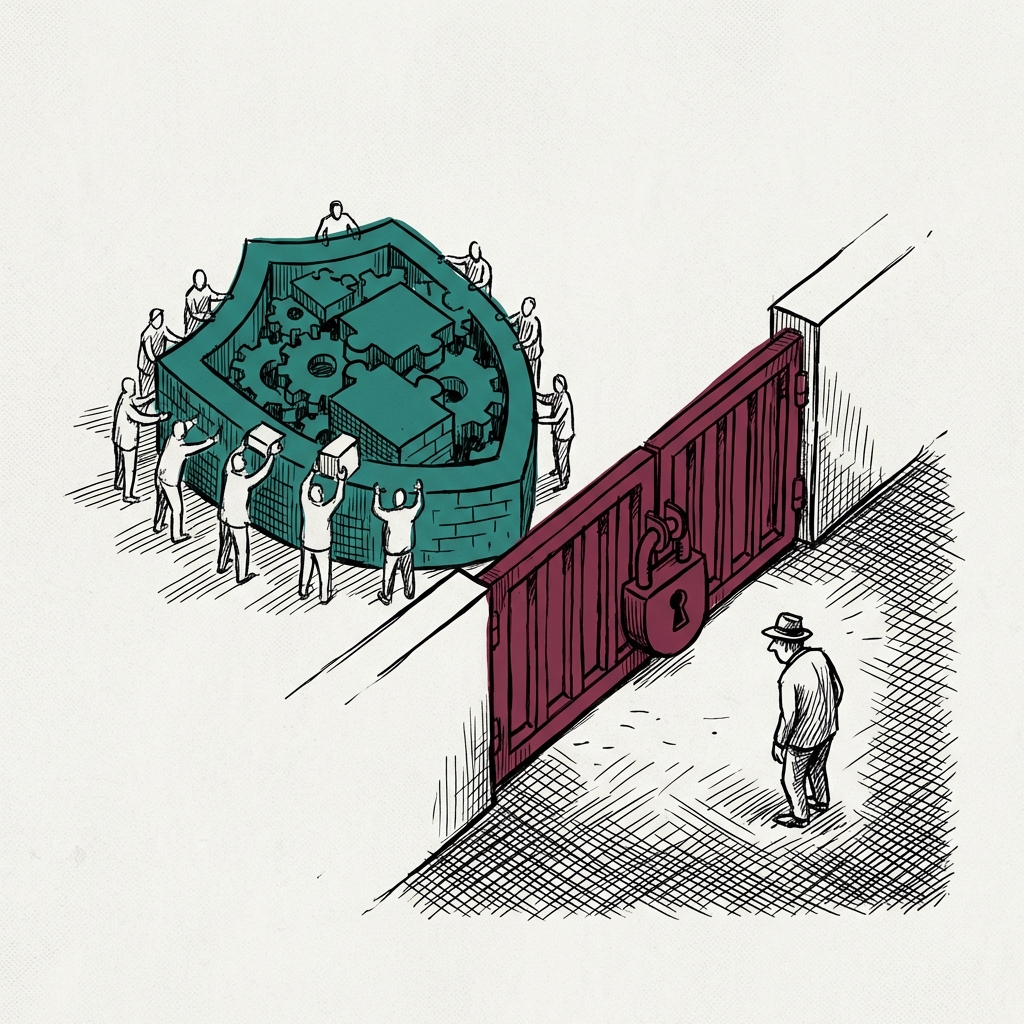
Security Action for Europe, the EU's collective rearmament fund launched in 2025. Hungary is the sole country frozen among 19 participants, a precedent in using defence spending as intra-bloc coercion.
Since its 2025 launch, SAFE has provided the EU framework for collective defence procurement.
Last refreshed: 1 October 2026 · Appears in 1 active topic
Is the EU using its rearmament fund as a punishment tool against Hungary over Ukraine?
Timeline for SAFE
Mentioned in: EU picks DECODER drone project for EDIP
Drones: Industry & DefenceMentioned in: Tisza leads Fidesz by 19 points
Russia-Ukraine War 2026Mentioned in: EU ministers mark Bucha anniversary
Russia-Ukraine War 2026Mentioned in: Macron: Iran must not sideline Ukraine
Russia-Ukraine War 2026Background
SAFE, Security Action for Europe, is the EU mechanism for financing collective defence procurement. Its relevance rests on whether member states can turn shared security policy into joint industrial spending, rather than relying only on national budgets.
The fund was established in 2025 as Europe sought to strengthen its defence industrial base. On 25 March 2026, the EU froze Hungary's €16.2bn allocation while approving French and Czech tranches, showing that access could be tied to member-state conduct. The episode also placed SAFE within a wider EU effort to sustain support for Ukraine.
SAFE matters because it gives the EU a standing route to coordinate defence procurement across participating states. Its long-term value depends on whether that route produces shared capability while retaining political support among its members.
Reference
How does the EU SAFE fund work?
SAFE programme EU rearmament 2025 explained?
Is SAFE part of NATO?
How much money does SAFE give each EU country?
Why was Hungary frozen out of the EU SAFE fund?
Written with AI from Lowdown's published reporting. Not individually reviewed by an editor. Updated 1 October 2026. Editorial standards.