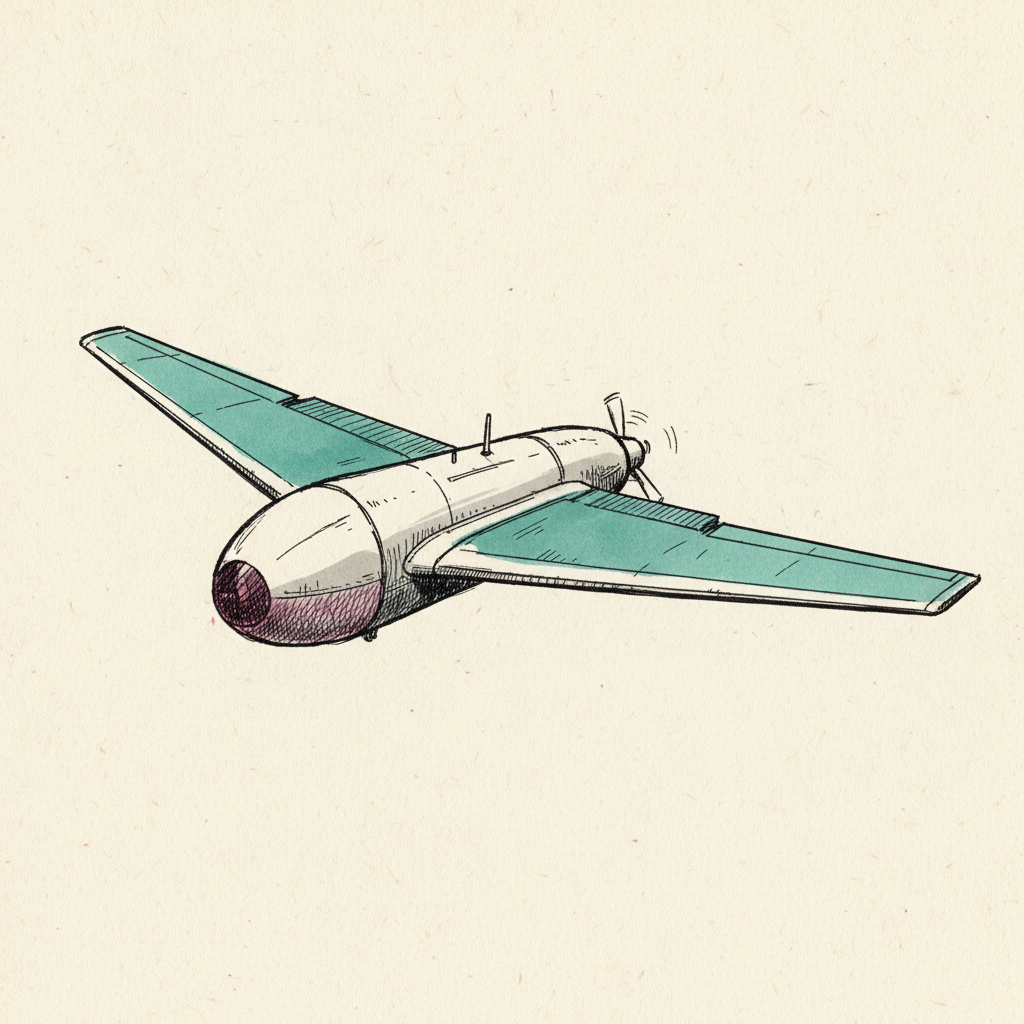
Shahed-136
Iranian one-way attack drone used by Russia in Ukraine and by Iran against Gulf targets.
On 3 April, CSIS counted 4,446 Iranian drone launches since 28 February, making the Shahed-136 central to Gulf air-defence attrition.
Last refreshed: 22 September 2026 · Appears in 3 active topics
Russia built it, Iran fires it: has the Shahed-136 merged two wars into one?
Timeline for Shahed-136
Deployed in 85-drone barrage against Kharkiv, Donetsk and Odesa on 11 June
Russia-Ukraine War 2026: 85 Shaheds hit Kharkiv before big strikeMentioned in: Iran hits US bases in three countries
Iran Conflict 2026Russian drone hits Chornobyl fuel building
Russia-Ukraine War 2026Mentioned in: Kuwait armed the day Iran hit it
Iran Conflict 2026Struck Terminal 1 of Kuwait International Airport directly
Iran Conflict 2026: Iran drone hits Kuwait airport terminalBackground
The Shahed-136 is an Iranian-designed loitering munition used as a one-way attack drone. Russia deploys the design in Ukraine as the Geran-2, while Iran has used Shahed-series drones against Gulf targets. Its relevance lies in making sustained, low-cost pressure a central feature of air warfare.
Russia's use of mass drone attacks made the platform a test case for attritional defence. On 2 March, Ukraine logged 8,828 Russian kamikaze drones in one day; reported attack costs were $20,000 to $50,000 per unit, against interception costs of $100,000 to $500,000.
The Shahed-136 has also accelerated demand for cheaper counters. Ukraine developed interceptor drones costing $1,000 to $2,000, compared with $4m to $6m for a Patriot round, turning the weapon into a reference point for counter-drone procurement and doctrine.
Shahed attacks crossed into the Gulf
On 3 April, CSIS counted 4,446 Iranian drones launched since 28 February, placing the Shahed-136 family at the centre of Iran's pressure on Gulf air defence. The report put a Shahed-136 at $20,000 to $50,000, while a Patriot interceptor cost 80 to 200 times more.
That arithmetic helps explain why the system's importance exceeds the damage from any one launch. Saudi forces shot down 47 Iranian drones in 24 hours on 20 March, but repeated intercepts still consumed high-value defensive stocks.
Mass launches exhaust Ukrainian defences
On 2 March, Ukraine recorded 8,828 Russian kamikaze drones in a single day, roughly triple the 2025 daily average. The Shahed-136 makes volume a tactic: reported unit costs of $20,000 to $50,000 let Russia force defenders towards far costlier interceptors.
The system matters to Ukraine not only as a strike weapon but as a means of consuming interceptor capacity. On 14 March, Russia launched 430 drones and 68 missiles in one barrage, while weekly drone launches exceeded 9,000.
What is the Shahed-136?
How much does a Shahed-136 cost?
How do air defences intercept Shahed drones?
What is the difference between the Shahed-136 and the Lancet drone?
Is Russia supplying Iran with Shahed drones?


