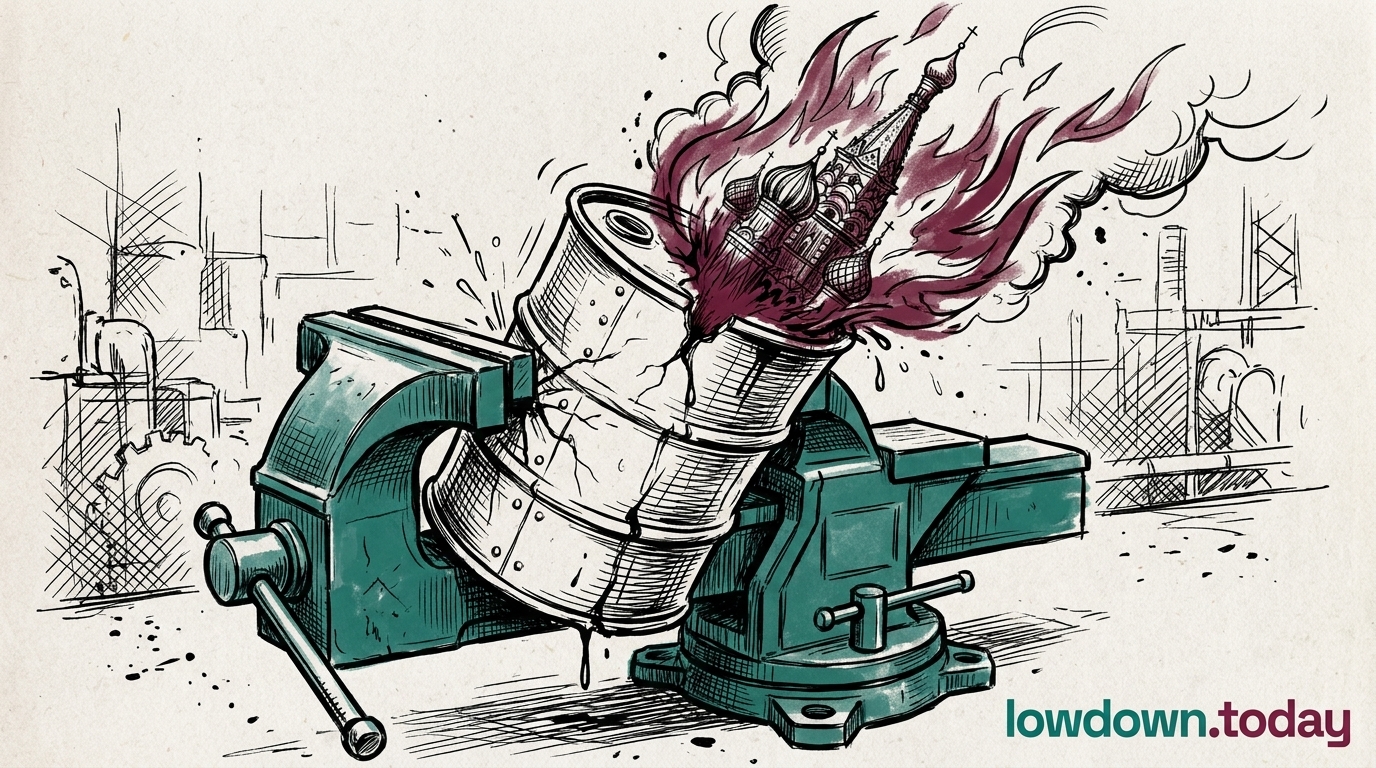
Ukraine brought down only 15 of 34 Iskander-M ballistic missiles fired in the 14-15 June barrage, a 44% interception rate and the worst ballistic result of 2026 1. The Iskander-M is a Russian short-range ballistic missile that flies fast and steep, which makes it far harder to stop than the slower drones and cruise missiles in the same salvo. Roughly one Iskander in two now reaches its target.
The gap has a supply cause rather than a skill one. The weapon that stops an Iskander is the Patriot Advanced Capability-3 (PAC-3), a hit-to-kill interceptor that destroys a warhead by colliding with it. PAC-3 rounds are finite and split between Ukraine and the Iran theatre, and Ukraine's own stock is frozen behind a US export suspension. When commanders ration the ballistic-class interceptor, the published intercept percentage falls regardless of how well crews perform.
Russia's ballistic salvos have grown since the war's first dual launch of the Oreshnik intermediate-range missile in late May , and the thinning interceptor screen rewards every Iskander fired. Kyiv arrived at the Group of Seven (G7) summit asking for the export class money cannot currently buy, because a fixed target like the Lavra cannot be shielded from a ballistic missile that the defence simply runs out of rounds to engage.





