Japan
G7 island nation and constitutional monarchy; among the world's largest economies and most-visited destinations.
Japan's foreign arrivals fell 9.6% to 3.10 million in August 2026, its worst month of the year, with Chinese visitors down 59.0%, while Japan doubled its departure tax to 3,000 yen from July.
Last refreshed: 3 October 2026 · Appears in 11 active topics
Was it taxes or geopolitics that cut Japan's tourist arrivals in April 2026?
Timeline for Japan
Mentioned in: Ten agencies name Beijing firm in hacks
Cybersecurity: Threats and DefencesMentioned in: 30-year gilt passes 6%, last seen 1998
Is Britain Actually Broke?Mentioned in: Citrix replaces its own NetScaler fix
Cybersecurity: Threats and DefencesMentioned in: Onomichi to build Bulwark robot landers
Autonomous Systems: Land & SeaMentioned in: Qatar refuses to hedge against Hormuz
Iran Conflict 2026Background
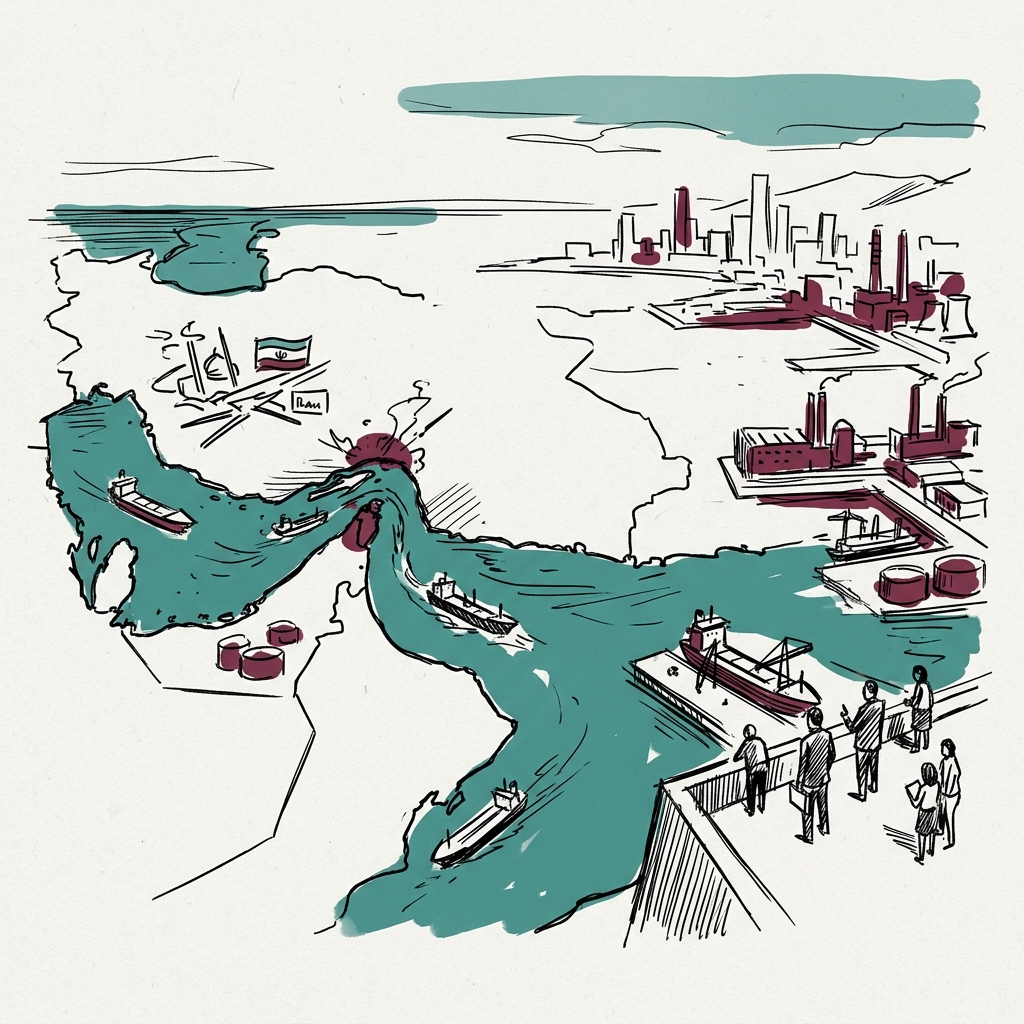
Japan is a G7 island nation in East Asia, a constitutional monarchy and one of the world's largest economies. Its security and its markets both rest on SEA-borne trade, which gives energy routes unusual weight in its policy.
Energy imports leave Japan most exposed. On 11 June 2026 the United States extended a waiver letting Japanese firms use services linked to Russia's Sakhalin-2 gas project, which supplies 8-9% of Japan's gas imports. Japan is also a major Asian buyer of Liquefied Natural Gas, competing with Europe for flexible cargoes when Asian prices pull supply east.
Its defence posture has moved towards counter-strike capability and uncrewed systems. The Ministry of Defense's fiscal 2027 budget request, published on 31 August 2026, seeks 292.2 billion yen for 17 MQ-9B SeaGuardian drones, against four bought for 76.5 billion yen in the current budget, plus 7.6 billion yen for its first interceptor-drone line and research on missile-launch modules for uncrewed underwater vehicles.
Japan's Chinese visitors fell by 59%
Japan's August 2026 arrivals fell 9.6% to 3.10 million, the steepest monthly drop of the year, the Japan National Tourism Organization reported on 16 September. Chinese visitors fell 59.0% to 418,000, while Koreans rose 28.7%. The slide began in April, when Chinese arrivals collapsed 56.8% after Beijing advised its citizens to avoid Japan.
Japan now charges visitors more even as volumes fall. Its departure tax doubled to 3,000 yen from July 2026, and from 1 April Kyoto added a top accommodation-tax rate of 10,000 yen a night for rooms above 100,000, yen while Hokkaido, Hiroshima and other areas brought in their own lodging taxes.
Japan's Iran oil opening closed early
On 3 July 2026, three Japanese trading houses began their first direct talks on Iranian crude since 2019. The talks relied on a US sanctions waiver running from 22 June, but Marine insurers still refused Hormuz cover, so the legal route had not yet produced a shipment.
The United States revoked the waiver on 7 July and allowed only a wind-down until 17 July. Japan's dollar-cleared buyers lost the opening before they secured any cargo, while China's yuan-settled purchases carried on unaffected. The episode showed how far Japan's search for alternative oil depends on Washington's licensing choices.
Japan pressed for passage through diplomacy
On 20 August 2026 Japan's and Oman's foreign ministers called in Muscat for stronger international coordination to secure navigation through the strait of Hormuz and Bab el-Mandeb. Japan had no warships in The Gulf and no Article 9 route to a deployment, so its contribution was diplomatic pressure rather than a military commitment.
Japan's commercial exposure had already turned political in April, when a Japanese shipping company appeared on a US toll-interdiction list after paying Iran's Hormuz fee. That placed an allied vessel inside the dispute between Washington and Tehran.
Japan's Chinese visitors fell by 59%
Why did China issue a travel advisory against Japan?
Why did tourist arrivals to Japan fall in April 2026?
What is Japan's Sayonara Tax and when does it change?
Reference
Has Japan ever exported weapons to another country?
What does Japan's postwar constitution say about its military?
Is Japan a target of the US naval blockade of Iran?
What does Japan's Nippon Foundation have to do with the Strait of Hormuz?
How exposed is Japan to disruption at the Strait of Hormuz?
Why did Japan protest Trump's LNG interdiction order?
Which Japanese cities now charge an accommodation tax?
How does Japan compare to other countries exposed to the Iran conflict?
Can Japan take military action over the Strait of Hormuz?
What is Japan doing about the Iran conflict energy crisis?



