Skip to content
You can now search across every topic, entity and event.What's new
Iran Conflict 2026
10MAY

CENTCOM hits Goruk and Qeshm Island

4 min read
14:22UTC

US Central Command struck radar and drone sites at Goruk and Qeshm Island over the weekend, calling it self-defence after Iran downed an MQ-1, while CSIS warned the magazine behind the strikes is still re-stocking.

ConflictDeveloping
Key takeaway

CENTCOM opened a fourth strike axis from a munitions inventory CSIS says is still rebuilding to pre-war levels.

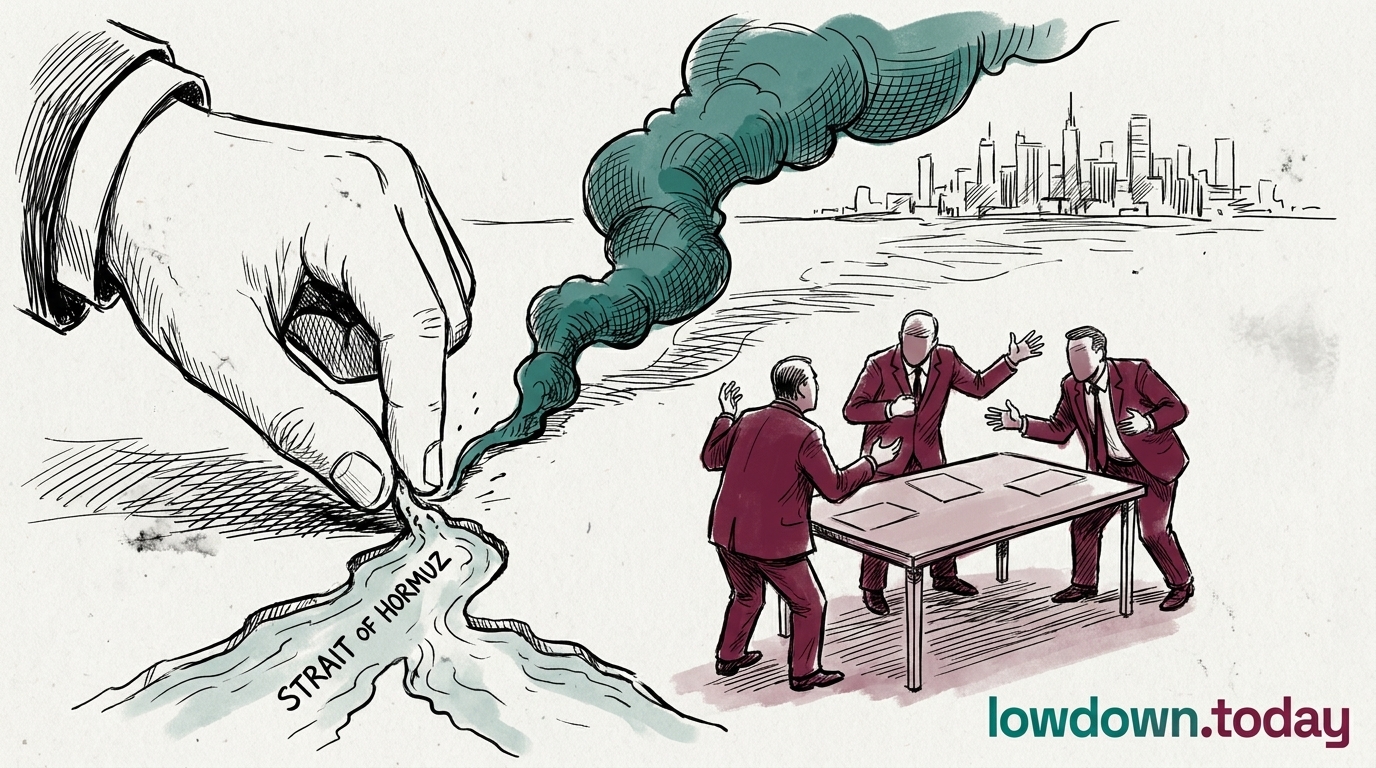
US Central Command (CENTCOM) struck Iranian radar and drone command-and-control sites at Goruk and Qeshm Island over the weekend of Sunday 31 May and Monday 1 June, calling them "measured and deliberate" self-defence after Iran downed a US MQ-1 drone over international waters 1. CENTCOM is the US military command responsible for the Middle East; Qeshm is Iran's largest island in the strait of Hormuz, and the strikes targeted the infrastructure that guides Iranian drones over The Gulf.

This is a distinct second drone loss. Iran claimed an MQ-9 Reaper on 26 May , a larger airframe shot down a week earlier; the weekend loss was the smaller MQ-1 Predator. The new strikes extend a kinetic lineage that ran through the Hellfire on the M/V Lian Star , the Kuwait exchange and Article 51 invocation , and the mine-laying boats destroyed at Bandar Abbas .

What sets this axis apart sits behind the targets, in the magazine. Center for Strategic and International Studies (CSIS) analysts Mark Cancian and Chris Park wrote on 27 May that high expenditure of key munitions in Operation Epic Fury had "created a window of vulnerability until inventories return to pre-war levels" 2. Precision standoff weapons carry multi-month production lead times, so a force opening a fourth front from a re-stocking inventory is betting that deterrence holds before resupply lands. The IRGC's confidence that its next response will differ may be a read of exactly that gap: strike the new axis while the shelves behind it are thin, and the cost of the next American escalation rises with every weapon not yet replaced.


Deep Analysis

In plain English

The United States operates drone aircraft over the Persian Gulf to keep watch on Iran's military movements. Iran shot down one of these American surveillance drones. In response, the US military carried out air strikes on two Iranian sites , Goruk and Qeshm Island , that were used to command and control Iran's own drones. Think of it as disabling the remote-control units rather than the drones themselves. Qeshm Island sits right at the entrance to the Strait of Hormuz, the narrow waterway that most Middle Eastern oil passes through. This is the most recent in a series of strikes and counter-strikes that have been escalating since late May.

Deep Analysis
Root Causes

The CENTCOM decision to strike Goruk and Qeshm derives from the IRGC's Decentralised Mosaic Defence doctrine. By devolving launch authority to 31 provincial units, Iran created a situation where shutting down any single command node does not stop the broader drone campaign. CENTCOM's strike on Goruk and Qeshm specifically targeted drone C2 infrastructure rather than launch platforms precisely because mobile launchers are harder to interdict than fixed command facilities.

The MQ-1 loss that triggered the strikes reflects a second structural dynamic: Iran is attempting to establish a de facto air exclusion zone over the Persian Gulf using drone shootdowns as precedent-setting events. Each uncontested shootdown strengthens the operational norm; CENTCOM's response is designed to impose a cost that breaks the pattern before the norm solidifies.

Escalation

Direction: escalatory. The decision to strike C2 infrastructure on Iranian sovereign territory , rather than intercept IRGC assets in international waters , moves the operational frontier inward. The IRGC's 'completely different response' warning issued the same day suggests Tehran views this target category as crossing a qualitative threshold. Kuwait's simultaneous interception of Iranian projectiles indicates the IRGC activated multiple response vectors simultaneously.

What could happen next?
  • Risk

    CSIS's munitions vulnerability window means Iran could sustain elevated drone pressure for six to eight weeks before CENTCOM either depletes key munitions or restricts its own strike authorisations, a window that coincides with the MOU negotiation timeline.

    Short term · Reported
  • Consequence

    Strikes on fixed C2 infrastructure at Goruk and Qeshm permanently degrade Iran's drone command capability at those sites, regardless of the diplomatic track , the kinetic campaign has outpaced the diplomatic one.

    Immediate · Assessed
  • Precedent

    Unlike Trump's 2019 stand-down after the RQ-4 shootdown, this response establishes that drone shootdowns over international waters will draw C2 strikes inside Iran; future IRGC decisions on drone employment will price in this cost.

    Medium term · Assessed
First Reported In

Update #114 · Two parliaments, one war neither can govern

Al Jazeera· 1 Jun 2026
Read original
Different Perspectives
Oil markets / Lloyd's of London
Brent fell to near $87.33 on 80 per cent deal-probability pricing, but Lloyd's has not de-listed Hormuz from its war-risk register and shipping diversions continue at 139 vessels. Insurance markets are lagging futures: physical risk remains while financial markets have spent the good news before the paper exists.
India
India
Modi is expected to raise the deaths of three Indian sailors in the 11 June CENTCOM strike on the MT Settebello with Trump at G7 sidelines, the first non-party leader to put the blockade's human cost into a formal bilateral. New Delhi is also a major Iranian oil buyer whose import volumes the sanctions-relief terms will govern.
Israel (Netanyahu)
Israel (Netanyahu)
Netanyahu stated Israel is not party to the deal on 12 June; Defence Minister Katz ruled out the Lebanon withdrawal Iran's draft demands, inserting a third blocker the US-Iran negotiating channel cannot resolve. Israel's position tethers Hormuz reopening to a Lebanon settlement Washington has not brokered.
Pakistan (mediator, Sharif/Naqvi)
Sharif declared a final agreed text on 12 June before either principal confirmed it, running two Tehran visits in under a week without securing a written IRGC or Khamenei response. Islamabad's incentive to claim a diplomatic win outpaces its standing to deliver either capital's signature.
Iran foreign ministry (Araghchi)
Araghchi declared digital signing within days while setting dilute-in-Iran as a non-negotiable red line on the 440.9 kg HEU stockpile, a standing Tehran position he cannot override without authorisation from Khamenei, reachable only by courier. The FM track is sprinting to close before the IRGC reasserts control.
Trump administration / CENTCOM
Vance called the deal still TBD on 12 June while CENTCOM downed Iranian drones over Hormuz for a second consecutive night and the White House register stayed blank. Washington holds the ship-out position on HEU and has not signed an Iran instrument in over 100 days of conflict.



