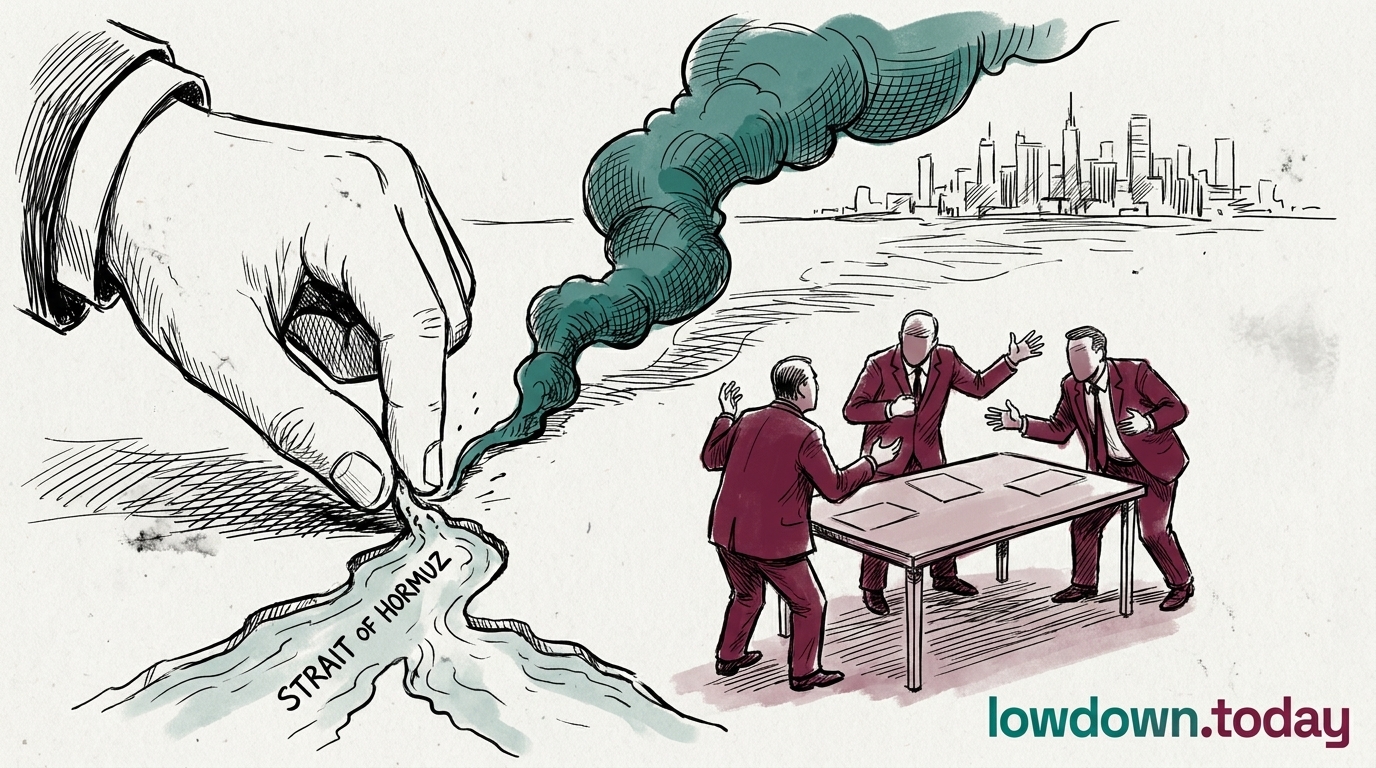
Kuwait invoked Article 51 of the UN Charter, the individual right of self-defence, after Iran struck Ali Al Salem Air Base on 28 May, the first formal legal self-defence claim by a Gulf state in the war.1 Article 51 is the Charter clause preserving a state's right to defend itself against an armed attack, and it is the doorway to collective defence: the provision Kuwait would cite to ask allies, including the United States, to act on its behalf. The strike was heavier than the single ballistic missile first reported. One aggregated account describes multiple ballistic and cruise missiles and drones aimed at the US-used base;2 US Central Command, CENTCOM, the US military command for the Middle East, put the count lower, at one intercepted missile with two shrapnel injuries.3 The true scale sits between those claims and is not yet settled.
Whether Kuwait has the standing to invoke Article 51 against a state that denies responsibility is contested, and it has not yet triggered its bilateral US defence pact. CENTCOM struck a drone-control station near Bandar Abbas in response, the same complex it had hit days earlier, and on 29 May denied Iran's claim to have downed a US aircraft near Qeshm, calling it a repeat of the false MQ-9 Reaper claim from earlier in the week.4
The legal claim raises the ceiling for allied involvement without compelling it. The real escalation trigger is a second strike, which Article 51 now pre-justifies a response to. Iran's posture compounds the risk: claiming a downed US jet while disputing the missile scale, it is banking propaganda victories its own footage cannot support, which erodes the credibility it needs when it makes a claim that is true.





