OFAC Director Bradley T. Smith signed General License 134C at 14:05 EDT on Monday 18 May, authorising in-transit completions on Russian-origin crude loaded on or before 17 April and running through 12:01 a.m. EDT on 17 June1. This is the third consecutive 30-day bridge, and it reverses the read that Treasury had ruled out a successor after GL 134B lapsed on 16 May. The licence reinstates the full vessel-services umbrella, insurance, crewing, bunkering, piloting, classification and salvage, while paragraph (b)(1) holds the Cuba, Iran and DPRK carve-out in place2.
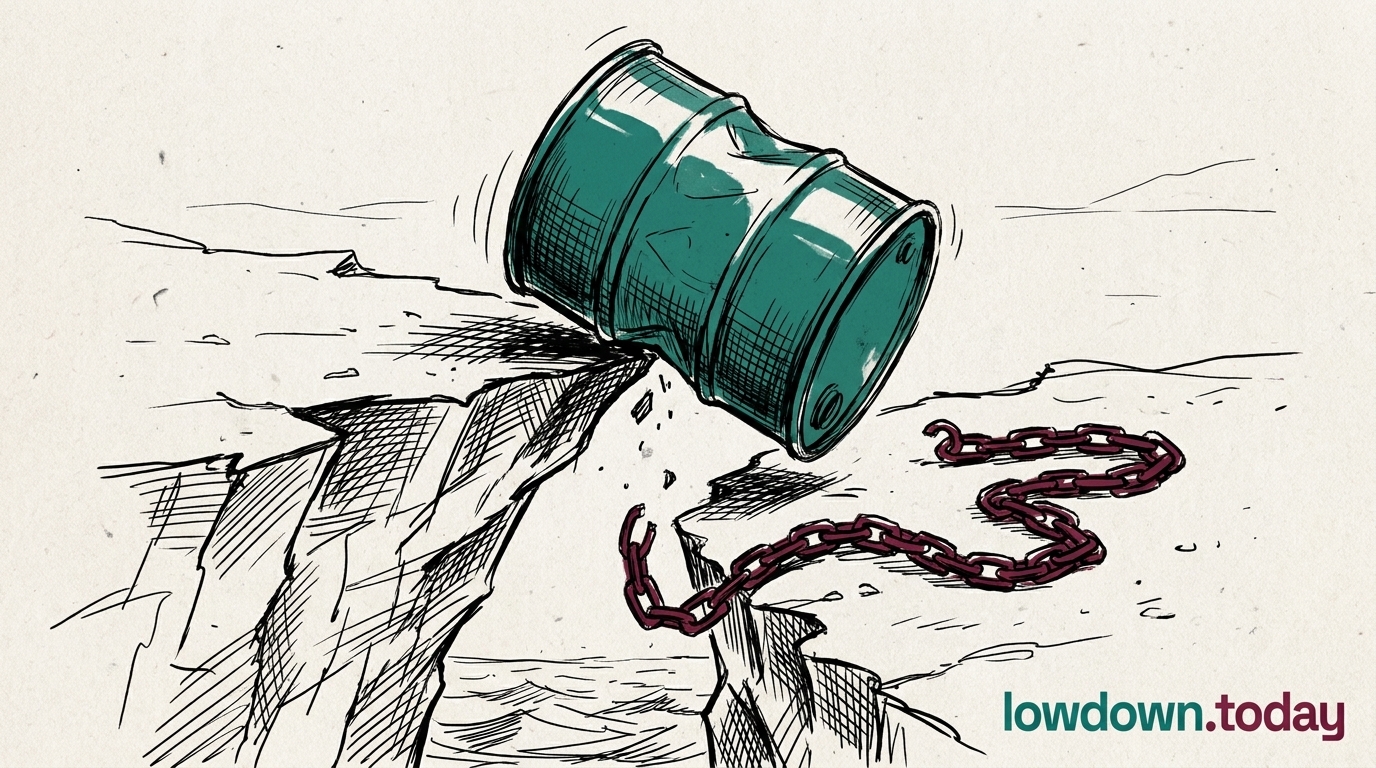
The P&L moves straight off that paragraph. The cliff that priced as an exit-or-face-OFAC binary on 16 May is now an insurance-rate normalisation problem for KEBCO and Urals term holders. Cover runs through commercial vessel services, not a price-cap number, so it is the insurance and classification chain that reopens, not the discount math. Urals-Brent is stabilising on the news rather than rallying, because the variable that moved is P&I availability for pre-17-April cargoes.
Set that against the Druzhba southern leg, where MOL and Slovak refiners keep roughly 175-200kbd of exempt pipeline barrels at a feedstock advantage that has touched $40/bbl. Seaborne cargoes carry a freight-and-insurance compliance cost the pipeline crowd never pays, so 134C narrows the gap without closing it. The 17 June expiry now becomes the next binary: a fourth bridge, or the first hard cliff the freight desk has had to price.




