Druzhba pipeline
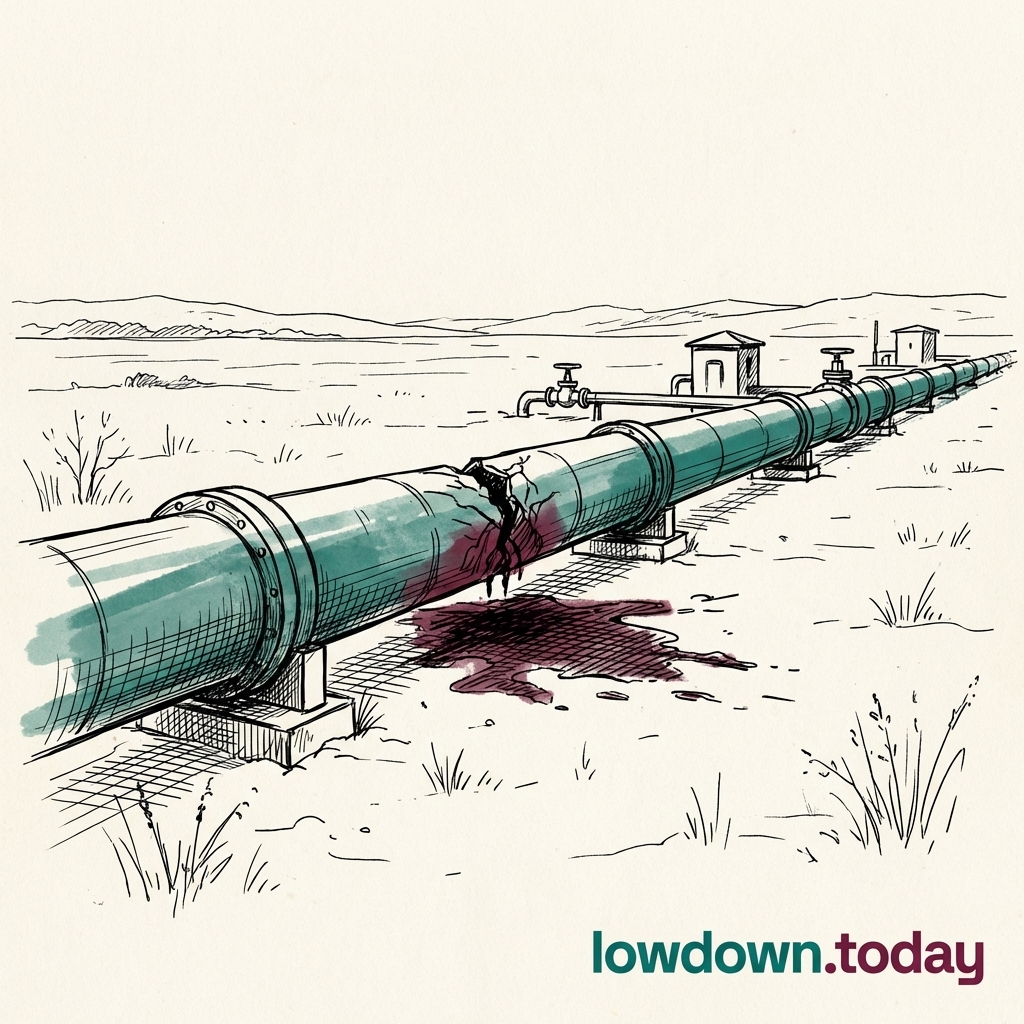
Soviet-era oil pipeline damaged by Russian drone in January 2026; Hungary weaponised the shutdown to block €90 billion in EU aid to Ukraine.
Oil resumed through Druzhba’s southern branch on 22 April after repairs, and Hungary then lifted its veto on the EU’s €90 billion Ukraine loan; the Council approved it on 23 April.
Last refreshed: 22 September 2026 · Appears in 3 active topics
Now that Druzhba is repaired, how long before Ukraine cuts it again?
Timeline for Druzhba pipeline
Mentioned in: EU clears its 21st sanctions package
Russia-Ukraine War 2026Mentioned in: OFAC rolls the gas, not the crude
European Oil MarketsMentioned in: TTF retraces to €47.69 on Trump
European Energy MarketsMentioned in: Baltic Aframax bid eases off the spike
European Oil MarketsMentioned in: OFAC signs GL 134C, third Russia bridge
European Oil MarketsBackground
Druzhba is a Soviet-era crude-oil pipeline linking Russia with Central Europe through Belarus. Its southern branch supplies refineries in Slovakia, Hungary and the Czech Republic that were built around Urals-blend crude. The route remains a physical fuel-supply link, not merely a trading channel.
The southern branch matters because it can deliver crude directly to landlocked refineries. In May 2026, its restart restored an estimated 175,000 to 200,000 barrels a day to MOL and Slovak refineries. The pipeline’s scale and route make replacing those deliveries slower than changing a cargo supplier.
Druzhba also connects energy dependence to European political bargaining. Hungary’s loan veto ended after flows resumed in April 2026. That episode showed why control of a cross-border oil route can affect decisions well beyond the energy sector.
Druzhba regains strategic leverage
Ukraine completed repairs to Druzhba on 21 April. Oil reached Hungary on 22 April, after which Hungary withdrew its veto on the EU’s €90 billion Ukraine loan; the European Council approved the loan on 23 April.
The restart restored a southern route that delivers Russian crude to Central European refineries. On 20 and 21 April, Ukrainian drones also struck crude infrastructure at Samara and near Nizhny Novgorod, showing that the route’s upstream supply chain remained exposed after flow resumed.
What is the Druzhba pipeline?
What happened to the Druzhba pipeline in 2026?
Why is Hungary blocking EU support for Ukraine because of a pipeline?
Is the EU banning Russian oil in 2026?


Written with AI from Lowdown's published reporting. Not individually reviewed by an editor. Updated 22 September 2026. Editorial standards.