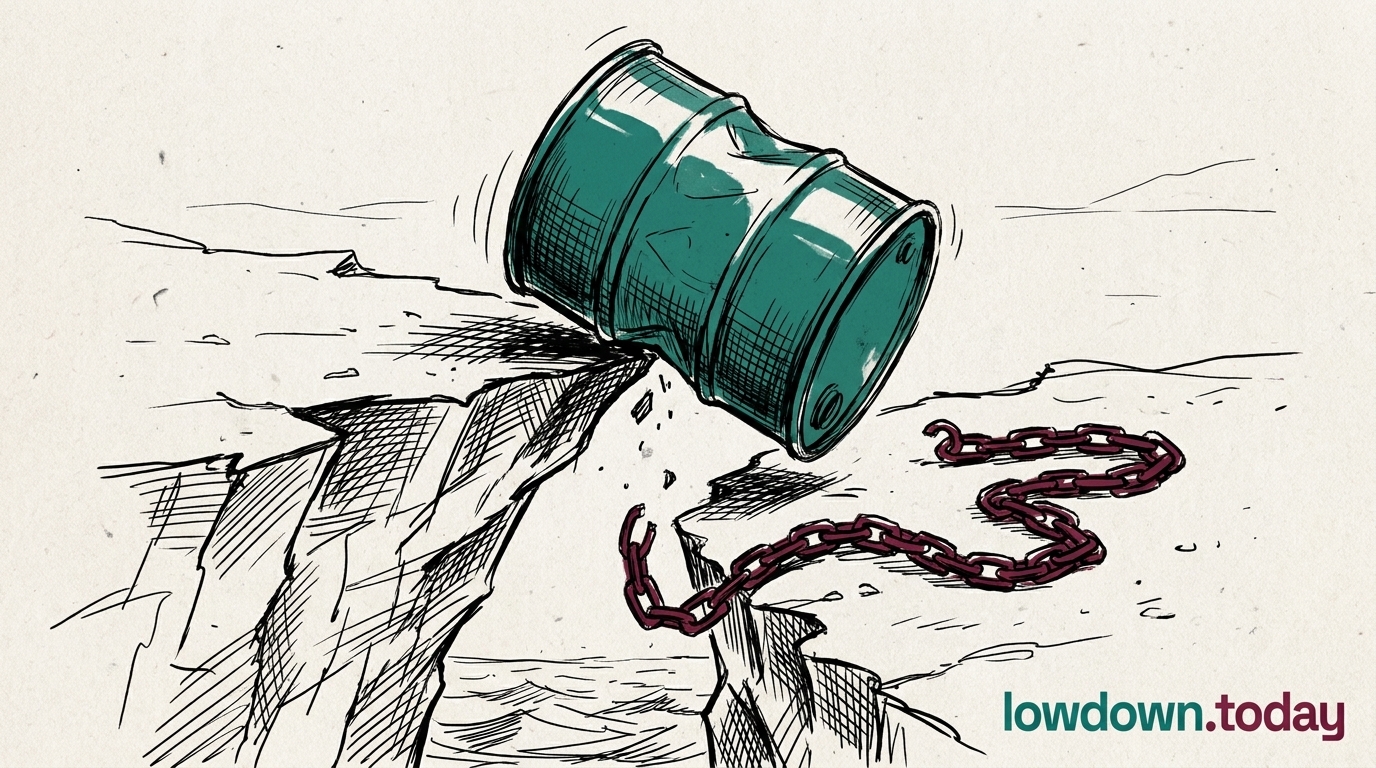
TD3C had sat near WS408 on 7 May1 before the Hormuz-closure surge drove it to a WS458.75 peak on 11 May. The BDTI still read 2,249 on Wednesday 20 May2, so the dirty-tanker complex is carrying a risk level set when the strait looked closed for the season. No clean post-spike VLCC assessment is public this week, which leaves the headline freight number stale and the pullback directional rather than printed.
The cleaner read sits on the Baltic Aframax routes. GL 134C's restored in-transit cover takes the forced-rerouting premium out of TD7 and TD19, the North Sea-Continent and cross-Baltic legs that carry Russian crude, because owners no longer have to price the loss of insurance and classification mid-voyage. The compliance bid eases rather than collapses, the same shape Urals-Brent showed once the vessel-services umbrella came back.
That split, a sticky VLCC headline and a softening Aframax compliance bid, is the tell that this is a sentiment unwind catching up to a policy fact, not a fresh supply shock. The freight desk reprices forced rerouting faster than it reprices an all-time-high index, so the Baltic routes lead and the BDTI lags. The 17 June 134C expiry is the next event that could re-arm the compliance premium overnight.




