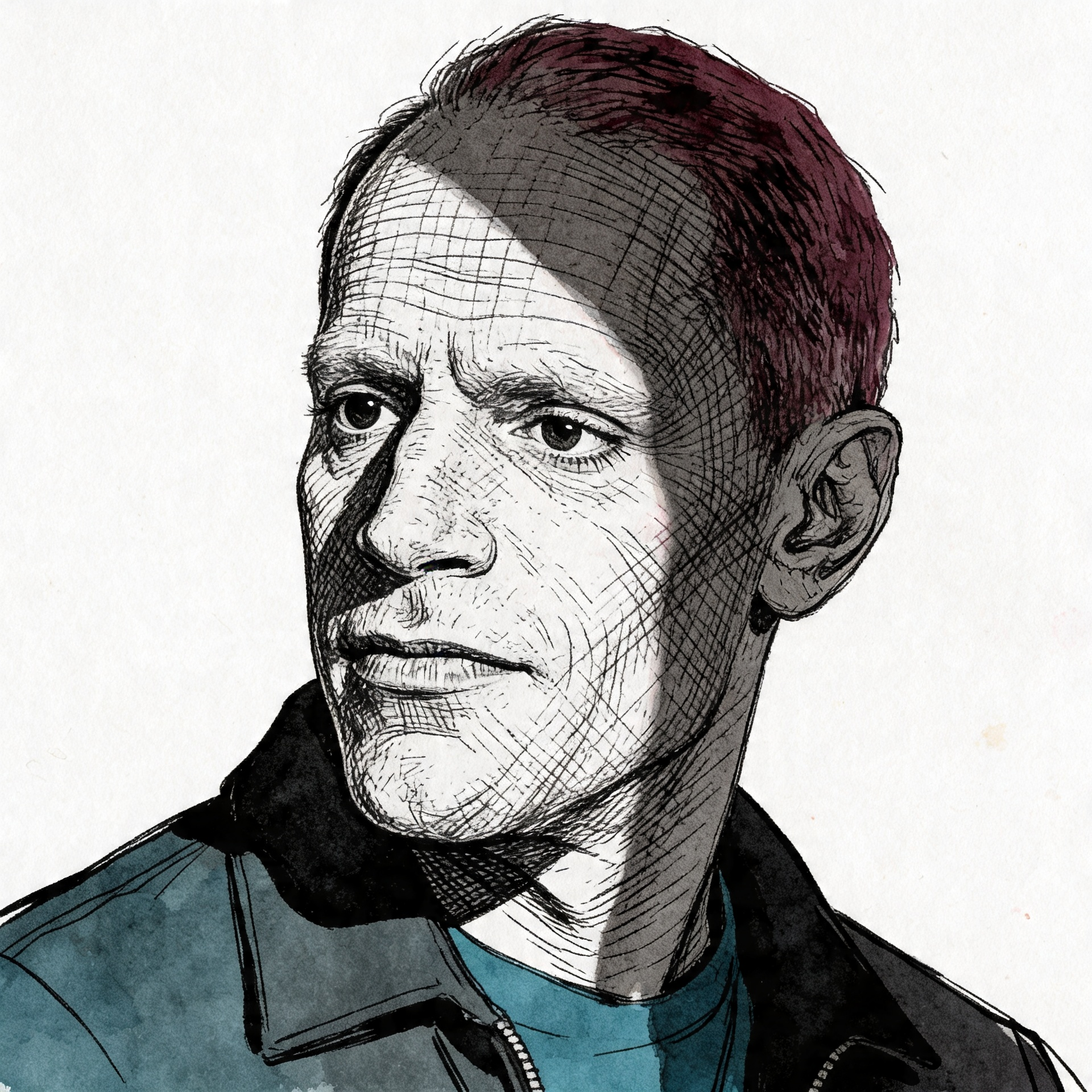
Bradley T. Smith
Director of OFAC; oversees US sanctions across Iran, Russia, terrorism, and WMD programmes.
Bradley T. Smith signed the 7 July 2026 revocation of Washington's Iranian oil waiver, cutting new purchases off and leaving only a wind-down window that closed on 17 July. His signature also sits on the bridge licences that keep Russian cargoes moving.
Last refreshed: 12 October 2026 · Appears in 2 active topics
Why does the OFAC Director hold such consequential discretion over energy markets?
Timeline for Bradley T. Smith
Mentioned in: OFAC opens US market to Russian diesel
Russia-Ukraine War 2026Signed General Licence CC
Iran Conflict 2026: OFAC blacklists three Turkish Golden Global institutionsSigned General License 131G
European Oil Markets: GL 131G's perimeter never included ISABSigned the General License X1 revocation
Iran Conflict 2026: OFAC pulls Iran's oil waiver earlySigned GL 134C at 14:05 EDT on 18 May 2026
European Oil Markets: OFAC signs GL 134C, third Russia bridgeBackground
Bradley T. Smith has directed the US Treasury's Office of Foreign Assets Control (OFAC) since September 2023, after serving as the office's deputy director and chief counsel. OFAC runs US sanctions on Russia, Iran, Cuba, terrorism and weapons proliferation, and the director signs the general licences that carve exemptions inside those programmes.
Those signatures decide whether banks, insurers and shippers can legally handle restricted trade. In 2026 Smith signed General License 131G on 25 June, letting Lukoil International negotiate sales of its foreign units, and General Licence CC in September, a wind-down window after Treasury blacklisted Turkey's Golden Global Yatirim Bankasi over IRGC money.
Because one office covers several fronts at once, markets read a licence signed or allowed to lapse on one regime for signals about another. A licence Smith signs can move billions of dollars of restricted commerce in or out of legal reach overnight.
His signature closed the Iranian crude window
On 7 July 2026 Smith signed the shift that revoked General License X, the waiver covering Iranian crude purchases, and replaced it with a wind-down-only licence expiring on 17 July. From 7 July, no buyer could sign a new Iranian crude purchase under US licence.
The early cut-off ended Japan's talks with Tehran five weeks ahead of schedule, while China's yuan-settled purchases, outside the dollar system, carried on. That asymmetry is the practical reach of an OFAC licence: it binds traders, banks and insurers who need US dollars, and little else. When the wind-down window closed on 17 July nothing replaced it, so Smith's office had closed the route rather than narrowed it.
He keeps renewing a shrinking bridge
Smith signed General License 134C on 18 May 2026, the third successive bridge licence restoring shipping services for Russian oil cargoes loaded before 17 April. It ran to 17 June and carved out Cuba entirely.
Each renewal narrows the licence, because the loading cut-off stays fixed while time passes, so fewer cargoes qualify with every version. The design lets Treasury avoid a hard cliff in the Russian oil market without widening relief. In October the Treasury went further, licensing imports of Russian diesel under General License 135 on 9 October, a licence that still keeps the Bank of Russia's US-held accounts shut.
His signature closed the Iranian crude window
Why did OFAC revoke Iran's oil waiver instead of extending it?
Who signed the licence revoking Iran's oil waiver in July 2026?
Reference
Who is Bradley T. Smith?
Who signed General License 134C for Russian oil?
Why did OFAC renew the Russian oil licence but not the Iranian one?
Who signed General License 134B?


Written with AI from Lowdown's published reporting. Not individually reviewed by an editor. Updated 12 October 2026. Editorial standards.