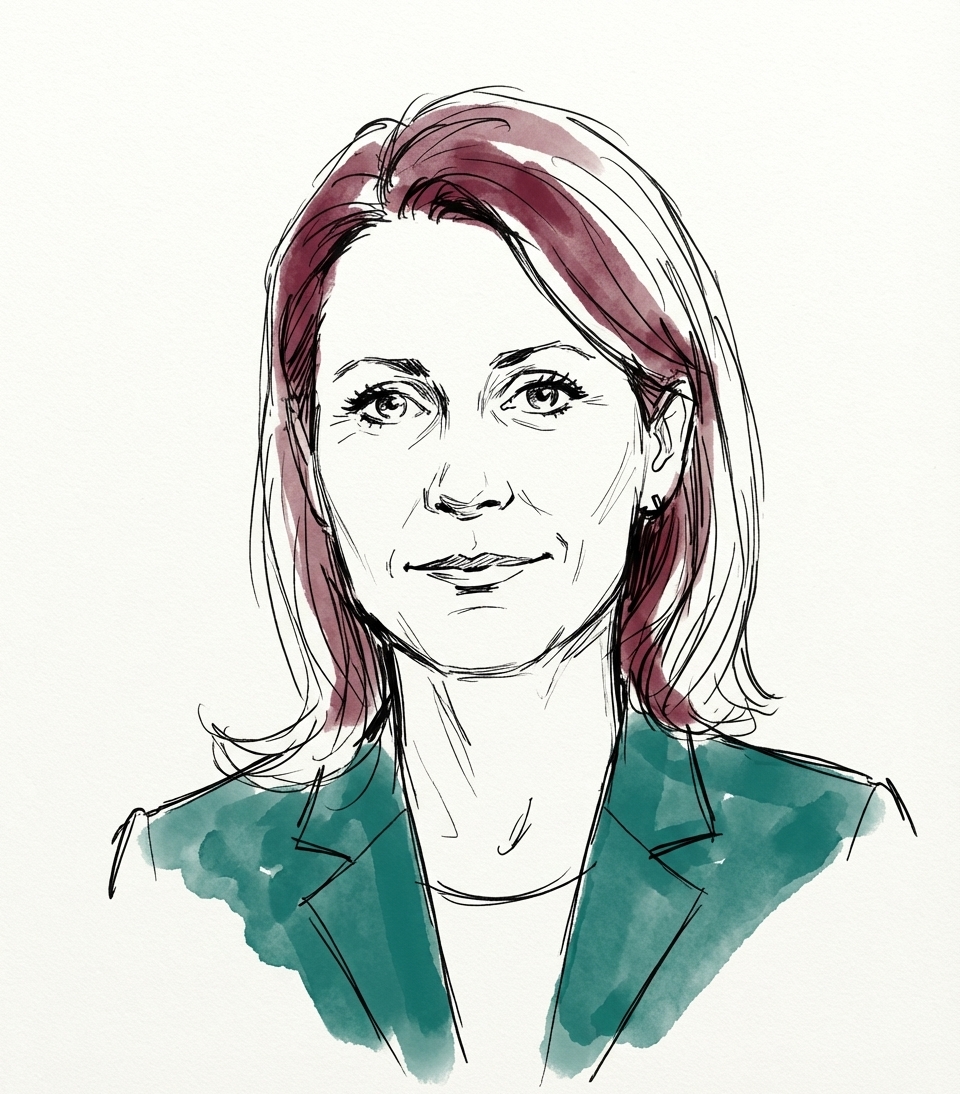
Kaja Kallas
EU High Representative for Foreign Affairs and Security Policy, former Estonian Prime Minister, leading Europe's hardline stance on Russia and accusing Moscow of complicity in the 2026 Iran conflict.
Kaja Kallas announced on 12 October that EU foreign ministers had adopted a 22nd Russia sanctions package of nearly 1,600 listings, three days after Washington licensed imports of Russian diesel and she warned it was no time to ease pressure.
Last refreshed: 12 October 2026 · Appears in 4 active topics
After the Oreshnik barrage, can Kallas keep 27 member states on the same page?
Timeline for Kaja Kallas
Announced the adoption of the 22nd package on X
Russia-Ukraine War 2026: EU ministers adopt 22nd Russia packageMentioned in: OFAC opens US market to Russian diesel
Russia-Ukraine War 2026Hoped for 250 individual sanctions designations, unconfirmed
European Oil Markets: EU freezes Russia oil cap for a weekCalled the EU-Cuba cooperation agreement a failure
Cuba Dispatch: Parliament votes, EU Council does notAcknowledged the PDCA has not yielded expected results
Cuba Dispatch: Brussels votes to punish, not bindBackground
Kaja Kallas has been the EU's High Representative for Foreign Affairs and Security Policy since December 2024, succeeding Josep Borrell. She was Prime Minister of Estonia from 2021 to 2024 and belongs to the liberal Estonian Reform Party. Her father, Siim Kallas, was also Estonian Prime Minister and an EU Commissioner.
She is Europe's most hawkish senior voice on Russia, a stance shaped partly by family history: her mother was deported to Siberia by Soviet authorities in 1949. In March 2026 she shifted EU policy on the shadow fleet from chasing single vessels to targeting shipowners, brokers and registries, and on 31 March she led every EU foreign minister except Hungary's to Bucha on the massacre's fourth anniversary.
Her office has limited powers of its own. Sanctions need unanimity, so her role is to frame the agenda, broker packages and speak for the bloc. Her reach extends beyond Russia: in June she acknowledged that the EU's political dialogue agreement with Cuba had not yielded the expected results.
Kallas holds the line as Washington eases
The October split with Washington put Kallas's sanctions policy on open display. On 9 October the US Treasury licensed sales and imports of Russian diesel under General License 135, the day Donald Trump and Vladimir Putin spoke by phone. Kallas answered on X on 10 October: "This is not the time to ease pressure on Russia, and Europe won't."
Two days later she announced the 22nd package, adopted by foreign ministers in Luxembourg, with nearly 1,600 asset freezes and travel bans. Unity on the 22nd package had a cost. To renew individual sanctions for three years in September, rather than six months, the EU dropped Alisher Usmanov and Mikhail Fridman, and Estonia, her own country, later asked to remove one company and one person from the new list.
Kallas accused Moscow of arming Tehran
Kallas made the EU's sharpest charge of Russian complicity in the Iran war. On 26 March she accused Russia of giving Iran targeting intelligence "to kill Americans" and of supplying drones to strengthen Iranian attacks on US bases and neighbouring states.
At the G7 the same day she confirmed the Western intelligence timeline that upgraded Shahed-136 drones were due in Iran by the end of March. The window closed on 30 March with no public sign of delivery, and the Kremlin rejected the accusation. Washington did not respond publicly to her accusation. The episode fixed her line that Europe's security against Russia and The Gulf war are one problem.
Her designations stalled in the cap fight
Kallas's sanctions agenda depends on unanimity among 27 governments, and the oil price CAP showed the limits. On 15 July EU ambassadors froze the $44.10 CAP on Russian oil for one week, stopping an automatic update that would have lifted it towards about $58 a barrel.
The round of about 250 individual designations she had hoped for stayed unconfirmed. The wider package was blocked by disputes over the LNG phase-out and Raiffeisen's access, while Greece resisted the length of the freeze on shipowner-registry grounds. Kallas can set direction and announce outcomes; member states with shipping, gas or banking interests decide the pace.
Who is Kaja Kallas?
What did the EU say about Russia and Iran?
What is the EU doing about Russia's shadow oil fleet?
Why do Kallas and Orban disagree on Russia?
What did Kallas say about the Oreshnik attack on Kyiv in May 2026?
Can Kallas keep the EU united on Ukraine after three years of war?


