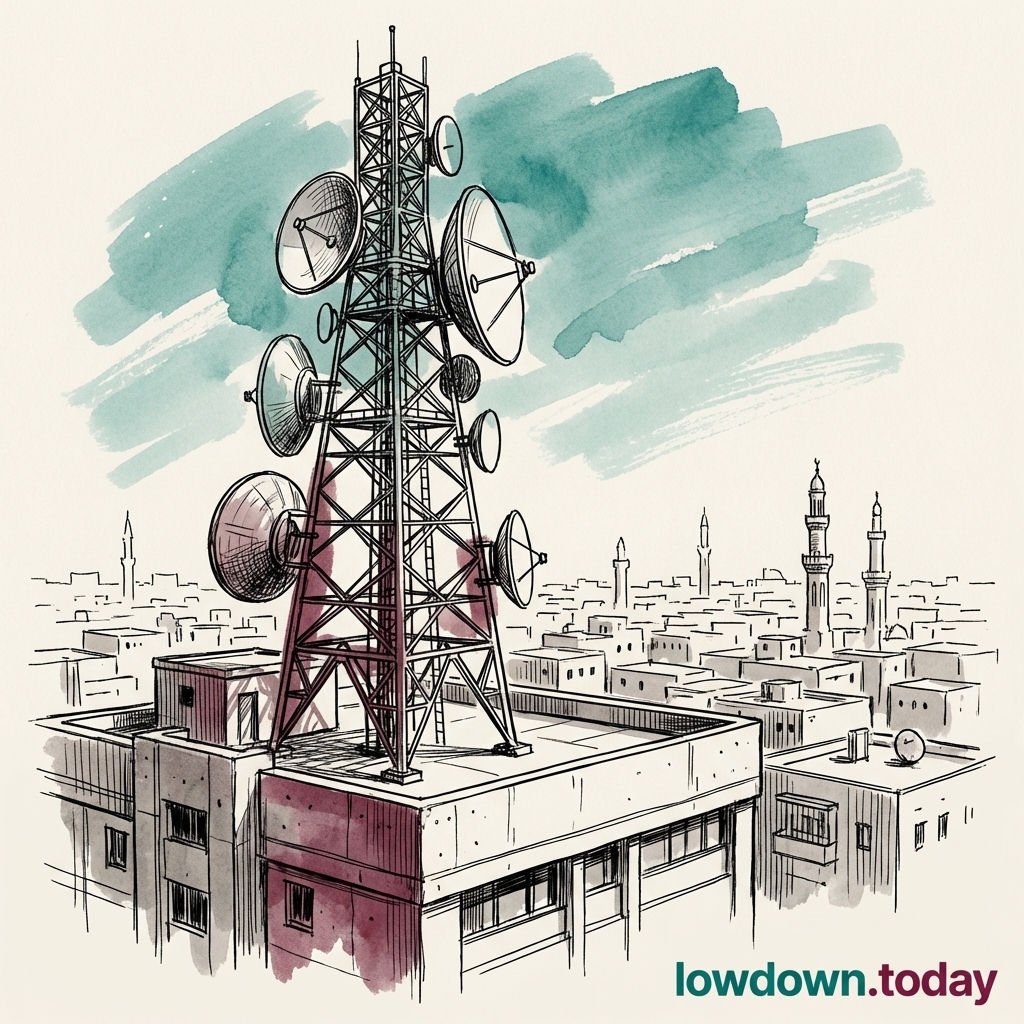
IRIB
Iran's state broadcaster, whose head is appointed and dismissed by The Supreme Leader.
Under Article 175 of Iran’s constitution as revised in 1989, The Supreme Leader appoints and dismisses the head of IRIB.
Last refreshed: 22 October 2026 · Appears in 1 active topic
If Mojtaba never speaks directly, is IRIB governing Iran's war narrative by proxy?
Timeline for IRIB
Mentioned in: Lavrov and Munir visit Tehran in 2 days
Iran Conflict 2026Mentioned in: Iran reports 14 killed in two nights of strikes
Iran Conflict 2026Mentioned in: Trump declares the Iran deal over
Iran Conflict 2026Iran says it struck the Omani route
Iran Conflict 2026Mentioned in: Iran's deal waits on a leader unseen since March
Iran Conflict 2026Background
Islamic Republic of Iran Broadcasting is Iran’s national state radio and television organisation. Article 175 of the constitution places appointment and dismissal of its head with The Supreme Leader. Representatives of the president, judiciary and Parliament sit on a council that supervises the organisation. This structure gives elected institutions an oversight role but leaves the chief appointment outside presidential control.
IRIB runs domestic radio and television services and international networks from Tehran. Press TV is its English-language international news channel; separate services address Arabic- and Spanish-speaking audiences. The organisation also distributes news, entertainment, religious programmes and official announcements online and by satellite. Its constitutional position makes it both a broadcaster and a formal route for messages from Iran’s senior state institutions.
Reference
What does IRIB broadcast internationally?
What is IRIB?
Why did Iran say it struck the tanker in the Strait of Hormuz?
How is Iran using state media to manage Mojtaba Khamenei's visibility?
What did IRIB publish about Mojtaba Khamenei in May 2026?
Why is Iran's broadcaster a military target?
Was Iran's state TV bombed?
Who controls IRIB in Iran?
Is IRIB a military target in the Iran conflict?




Written with AI from Lowdown's published reporting. Not individually reviewed by an editor. Updated 22 October 2026. Editorial standards.