Skip to content
You can now search across every topic, entity and event.What's new
Russia-Ukraine War 2026
2JUL

Trump edits Iran MOU but signs nothing

3 min read
10:54UTC

Trump returned a revised memorandum to Iran through Pakistani shuttle demanding its enriched uranium be destroyed, the latest private edit in a war where the White House has signed zero Iran instruments in 92 days.

ConflictDeveloping
Key takeaway

Trump hardened the MOU's uranium demand through Pakistan while signing no Iran instrument in 92 days.

Donald Trump returned a revised 60-day memorandum of understanding to Iran through Pakistani shuttle diplomacy, tightening Strait of Hormuz clauses and demanding that Iran's highly enriched uranium (HEU) stockpile be "unearthed and destroyed" 1. A memorandum of understanding is a non-binding framework that records what two sides have agreed to pursue; this one travels between Washington and Tehran via Pakistan because the two capitals are not negotiating face to face.

Marco Rubio had named HEU turnover as a US deal criterion on 24 May, which the revised text escalates from negotiated disposal to outright destruction . Trump's 29 May Situation Room meeting ended unsigned, with three public conditions and nothing on paper , while Iran's security council still frames the unsigned text as a 10-point win that recognises its enrichment . Two executives are editing the same document toward incompatible endings.

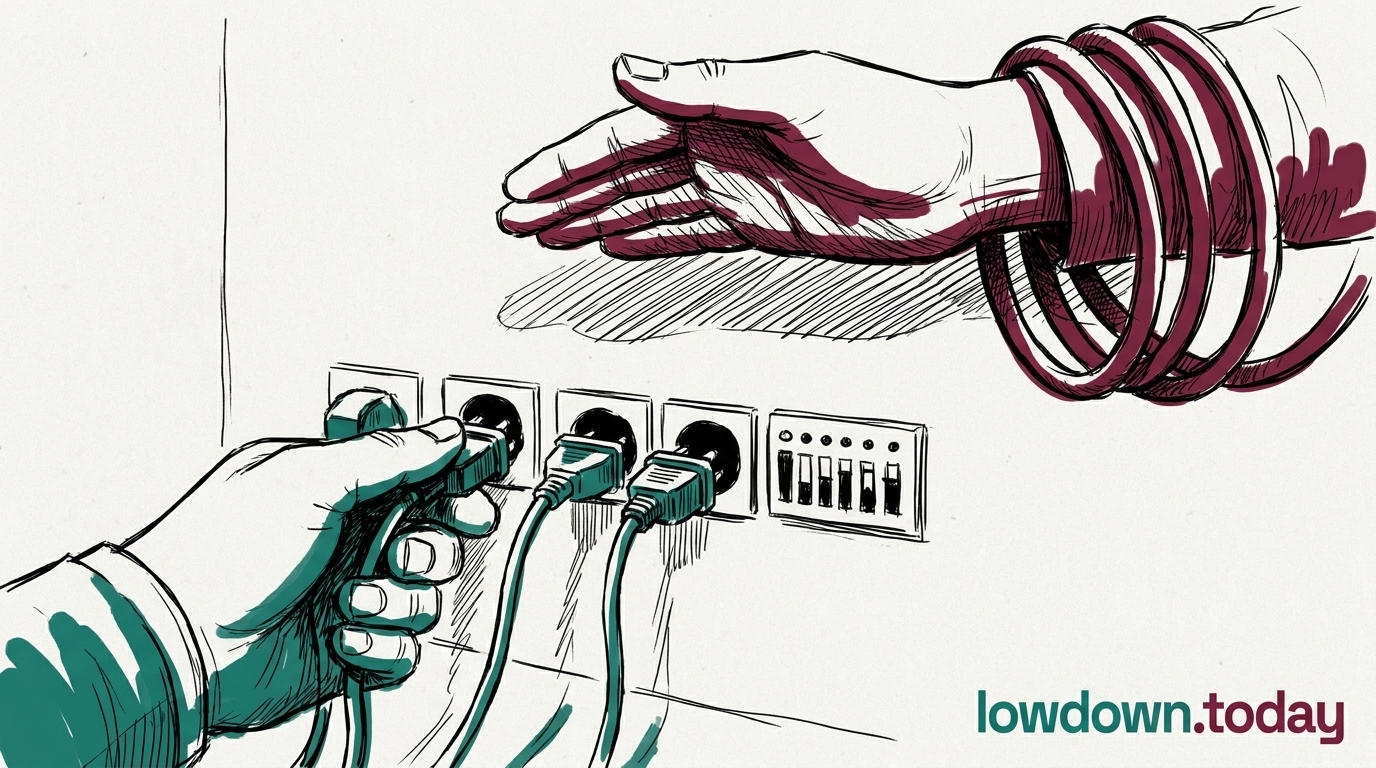
Behind the edits sits a streak that has defined the war since February. The White House presidential-actions index showed zero Iran instruments through Day 92, the most recent entry concerning childhood vaccine recommendations 2. The blank ledger is not drift but method: verbal and edited-text diplomacy keeps pressure live while conceding nothing a court, a parliament, or a successor could later enforce. A privately edited memorandum gives both capitals deniability, which suits leverage and starves the legislatures of anything to act on.


Deep Analysis

In plain English

The United States and Iran have been passing a draft peace agreement back and forth through Pakistan, which is acting as a go-between because the two countries have no direct diplomatic channel. Trump sent back a revised version of that agreement on 1 June with two key changes: tighter rules about the Strait of Hormuz and a new demand that Iran physically destroy its most enriched uranium rather than just move it somewhere. Iran has about 440 kilograms of highly enriched uranium , enough, in theory, to make several nuclear weapons. Trump previously offered to let Iran send it to Russia or China for storage. He then rejected both those options. His revised text demands physical destruction rather than transfer, a requirement that has no precedent in any nuclear deal involving a state with an active enrichment programme.

Deep Analysis
Root Causes

Trump's 'unearthed and destroyed' demand reflects a structural impasse created by his 27 May rejection of both Russia and China as HEU custodians. The JCPOA used Russia as a transfer destination precisely because it was the one third country both Iran and the US could tolerate. With Russia and China excluded and no alternative custodian named, physical destruction became the only disposal pathway available in the revised text.

The Hormuz clause tightening reflects a parallel structural failure: the PGSA designation under EO 13224 on 28 May created a legal paradox where any ship using a reopened strait coordinated by the PGSA transacts with a sanctioned entity. The revised MOU text needs to resolve that paradox; tightening the Hormuz clauses may be Trump's attempt to extinguish the PGSA's authority rather than sanction around it.

Escalation

Direction: mixed. Returning a revised text signals continued diplomatic engagement. The 'unearthed and destroyed' language, combined with the Majlis pre-refusal (event-01), effectively presents Iran with terms it cannot accept without a Supreme Leader override , raising rather than lowering the probability of diplomatic collapse.

What could happen next?
  • Risk

    The Libya WMD model that Trump is implicitly invoking ended with Gaddafi's violent removal from power in 2011; Iranian hardliners will cite this outcome to argue that HEU surrender removes Iran's ultimate deterrent.

  • Consequence

    Without a named HEU custodian, the 60-day MOU window has no verified disposal pathway; even a signed deal would begin the clock without a mechanism to complete the key deliverable.

First Reported In

Update #114 · Two parliaments, one war neither can govern

The White House· 1 Jun 2026
Read original
Causes and effects
This Event
Trump edits Iran MOU but signs nothing
Diplomacy on the Iran war runs entirely through unsigned, privately edited text, which keeps maximum pressure live while leaving the legislatures upstream with nothing to ratify.
Different Perspectives
Turkey
Turkey
Turkey, a major buyer of Russian diesel cargoes, loses that access under Moscow's first producer-binding export ban, in force from 8 July to 31 July. Ankara hosted the same week's NATO summit pledging EUR 70bn to Ukraine, sitting on both sides of the fuel-and-alliance ledger.
NATO
NATO
NATO leaders meeting in Ankara on 7 and 8 July pledged EUR 70bn in equipment, assistance and training for Ukraine across 2026, with a 2027 sustainment commitment and a $40bn Drone Edge counter-drone initiative. European allies now fund the vast majority of that package, filling the gap left by Washington's idled crude waiver.
India
India
India's state refiners continued buying discounted Urals crude as June's price fell to $63.18 a barrel, insulating New Delhi from the OFAC waiver gap still constraining Western buyers. Indian refiners could pick up diesel-export share as Russia's producer-binding ban shuts out its former customers.
China
China
China's independent refiners kept importing discounted Urals crude through June as the price fell to $63.18 a barrel, down 26% month-on-month per CREA. Beijing has said nothing on Moscow's new diesel ban, leaving Chinese refiners a likely beneficiary if Turkish and Brazilian buyers seek replacement cargoes.
United States
United States
No successor licence has been issued since General License 134C lapsed on 17 June, leaving a 26-day gap, the longest of the war, in the Russian crude waiver. Washington's silence is tightening the channel without any stated decision, as Treasury weighs whether to let it die.
Ukraine
Ukraine
Ukraine's long-range strike campaign shifted from refineries to seaborne fuel tankers crossing the Sea of Azov, cutting tracked vessel traffic 55% between 30 June and 11 July, per Starboard Maritime Intelligence. The shift targets Russia's export revenue directly rather than just domestic supply, adding pressure alongside the collapsing Urals price.



