Libya
North African OPEC producer; divided since 2011, hosting Ukrainian forces and Russian Wagner mercenaries.
On 4 April, reporting identified Libya as a base for Ukrainian Mediterranean operations against Russian shipping, exposing how its divided security order reaches beyond its borders.
Last refreshed: 22 September 2026
How does Libya's fractured sovereignty shape its role in Mediterranean conflict and OPEC oil supply?
Timeline for Libya
Mentioned in: Screwworm cases in Mexico rise fivefold
Pandemics and BiosecurityMentioned in: Leonardo, Baykar put TB3 on Italian lines
Drones: Industry & DefenceMentioned in: 140 US sorties, zero signed paper
Iran Conflict 2026Mentioned in: Hormuz stand-down has not reopened the strait
European Energy MarketsMentioned in: US bombs Qeshm, first strike since deal
Iran Conflict 2026Background
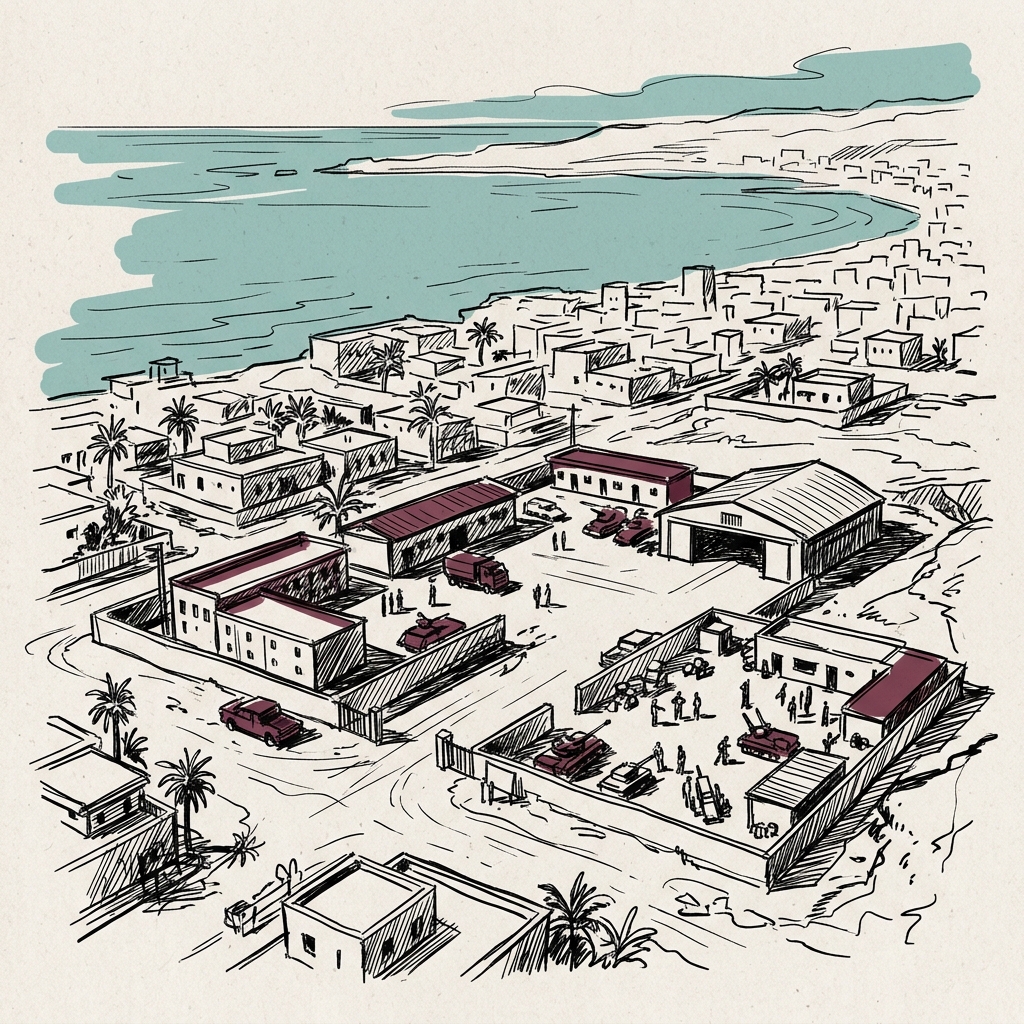
Libya is a North African Mediterranean state and an OPEC oil producer. Its long political division between rival western and eastern authorities has left security and economic power distributed across competing institutions and armed partners.
That fractured sovereignty gives Libya weight beyond its domestic politics. Its coast sits on Mediterranean routes linking Europe, North Africa and the eastern basin, while its oil sector makes political disruption relevant to regional supply. The destruction of the sanctioned Russian LNG carrier Arctic Metagaz between Malta and Libya on 3 March showed the exposure of traffic in nearby waters.
Foreign military activity has become part of this setting. Reporting on 4 April identified Ukrainian operations from Libya in a campaign against Russian shipping. Libya matters because its unresolved internal order can provide access, cover and strategic proximity to conflicts not formally fought on its territory.
Ukraine operates from Libya
On 4 April, reporting identified Libya as a base for Ukrainian Mediterranean operations, placing the country inside a campaign against Russian shipping rather than merely beside it. The disclosure made Libya's divided security environment part of the Russia-Ukraine war's southern theatre.
On 3 March, the sanctioned Russian LNG carrier Arctic Metagaz was destroyed between Malta and Libya, widening maritime risk around the country. For Libya, the combined events make foreign access the issue: outside forces can operate near its coast while Commercial shipping bears the danger.
Ukraine operates from Libya
What is Ukraine doing in the Mediterranean?
What are Ukrainian soldiers doing in Libya?
What role does Libya play in the Iran conflict?
How much oil does Libya produce?
Why are Ukrainian soldiers operating in Libya?
What is the current political situation in Libya?
Does Libya have Russian military forces?
Why is Libya relevant to the Iran war debate in Congress?


