Skip to content
You can now search across every topic, entity and event.What's new
Russia-Ukraine War 2026
16JUN

Zaporizhzhia blacks out for 19th time

3 min read
10:25UTC

Europe's largest nuclear plant lost all off-site power for the 19th time on Thursday 11 June after a substation attack, as the sixth IAEA-brokered repair ceasefire broke within days of letting work begin.

ConflictDeveloping
Key takeaway

Zaporizhzhia's 19th blackout leaves Europe's largest nuclear plant on one backup line after six failed truces.

The Zaporizhzhia Nuclear Power Plant (ZNPP) lost all off-site power for the 19th time in the war on Thursday 11 June, after an attack on a substation 1. ZNPP is Europe's largest nuclear plant, Russian-occupied since 2022, and its reactors are shut down but still need external electricity to keep cooling systems running. This was the seventh such grid failure of 2026 alone.

The sixth ceasefire brokered by the International Atomic Energy Agency (IAEA), the United Nations nuclear watchdog, had allowed work to begin on the main 750 kilovolt Dniprovska line, disconnected since 24 March. The truce broke twice: a 15-hour blackout on 5 June was the 18th , and the 11 June failure followed within days. The plant now runs on its sole 330 kilovolt Ferosplavna-1 backup, with radiation levels normal.

A shut-down plant with cooled fuel can survive a station blackout far better than an operating reactor could, but every day on one cable shrinks the buffer between a controlled diesel run and an uncontrolled one. The 11 June failure narrows that margin again rather than triggering an immediate crisis. Six ceasefires have now been brokered and broken, and Rosatom, Russia's state nuclear corporation, spent May attacking the watchdog's neutrality . IAEA Director General Rafael Grossi has warned repeatedly that the recurring outages show the danger a live battlefield poses to nuclear safety.


Deep Analysis

In plain English

The Zaporizhzhia Nuclear Power Plant (ZNPP) in southern Ukraine is the largest nuclear plant in Europe. Russian forces have occupied it since March 2022. The plant's six reactors are shut down, but the spent nuclear fuel inside them still produces heat and needs constant cooling, which requires external electricity. Without it, operators must use backup diesel generators. On 11 June the plant lost all external electricity for the 19th time in the war. Shelling struck a substation supplying the plant with electricity. The UN's nuclear watchdog, the IAEA, had negotiated a sixth local ceasefire specifically to repair the main power line, but that ceasefire broke within days. The backup line and diesel generators are keeping the plant safe for now, but each blackout reduces the safety margin.

Deep Analysis
Root Causes

ZNPP's nuclear safety crisis has two distinct structural causes that resist separation. The first is the battlefield proximity: the plant sits on the front line and both sides accuse the other of striking substation infrastructure; with no agreed attribution mechanism, each side retains tactical incentives to use the plant's power dependencies as leverage.

The second is the legal ambiguity of occupation: Russia administers the plant through Rosatom as if it were Russian territory, issuing 10-year operating licences, while Ukraine retains international legal ownership and Energoatom's personnel remain nominally in charge under duress. This split administrative reality means no single authority can commit to sustained ceasefire compliance without recognising the other party's jurisdiction.

What could happen next?
  • Risk

    Each successive ceasefire collapse reduces the IAEA's leverage for brokering a seventh; if Rosatom formally refuses further mediation, the agency's on-site presence may become its only remaining safety function.

  • Consequence

    With the Dniprovska 750 kV line disconnected since 24 March and six repair attempts failed, the probability of a cold-winter blackout scenario where diesel generator fuel runs low rises as the plant enters its eighth month on backup power.

First Reported In

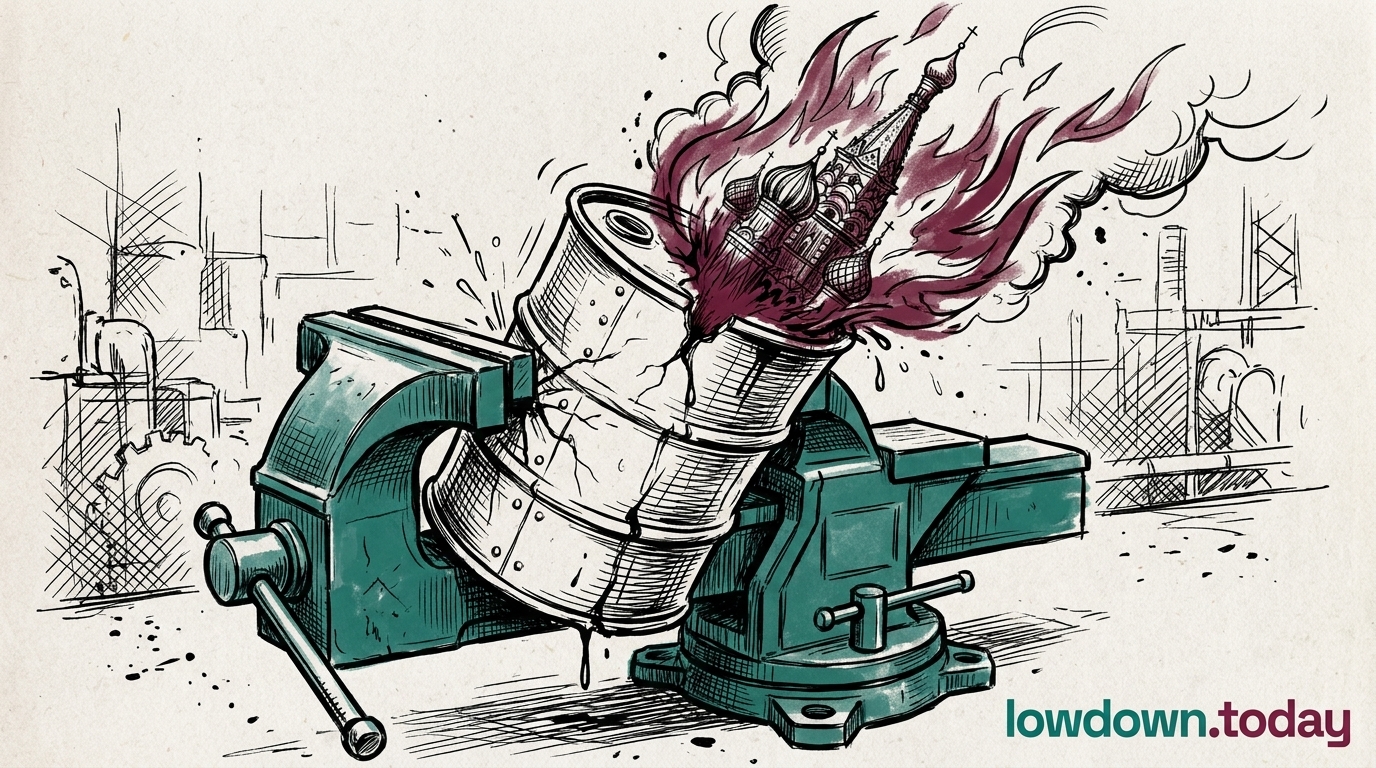
Update #20 · Oil vise shuts as Russia torches the Lavra

IAEA / GlobalSecurity· 16 Jun 2026
Read original
Different Perspectives
Turkey
Turkey
Ankara hosts the NATO summit on 7-8 July, the next Western diplomatic convergence that Russia may target with a mass barrage based on the documented pattern of timing strikes to allied events; Turkey's role as the indispensable logistical intermediary between Kyiv and Moscow gives it standing to broker any ceasefire repair at Zaporizhzhia.
IAEA
IAEA
The IAEA's sixth brokered repair ceasefire at ZNPP collapsed within days of enabling initial work on the 750 kV Dniprovska line, leaving Europe's largest nuclear plant on a single 330 kV backup with 19 total blackouts recorded since the Russian occupation began.
European Union
European Union
The EU delayed the €9.1bn first tranche of its €90bn Ukraine loan on unmet technical conditions, while disbursing a separate €2.8bn Facility payment on 8 June; the G7 sanctions-to-talks linkage now runs parallel to EU enforcement.
United Kingdom
United Kingdom
Britain conducted its first maritime interdiction of the Russian shadow fleet, with Royal Marines seizing the Smyrtos in the English Channel on 14 June, and simultaneously announced a £210m Urenco uranium deal to break Ukraine's dependence on Russian nuclear fuel.
United States
United States
Trump called both Putin and Zelenskyy separately on 14 June, pledged to re-engage on Ukraine now the Iran deal is done, and the G7 tied future Russia sanctions to peace-talk progress, giving Washington leverage over both parties' negotiating posture.
Ukraine
Ukraine
Zelenskyy attended the G7 at Evian and proposed a direct Putin summit while 140,000 households in Kyiv lost power and the Lavra's Dormition Cathedral burned; Metropolitan Epiphanius called it an attack "against history, against Christianity." Kyiv's immediate priority is closing the PAC-3 export gap that left 19 of 34 Iskander-M ballistic missiles unintercepted.


