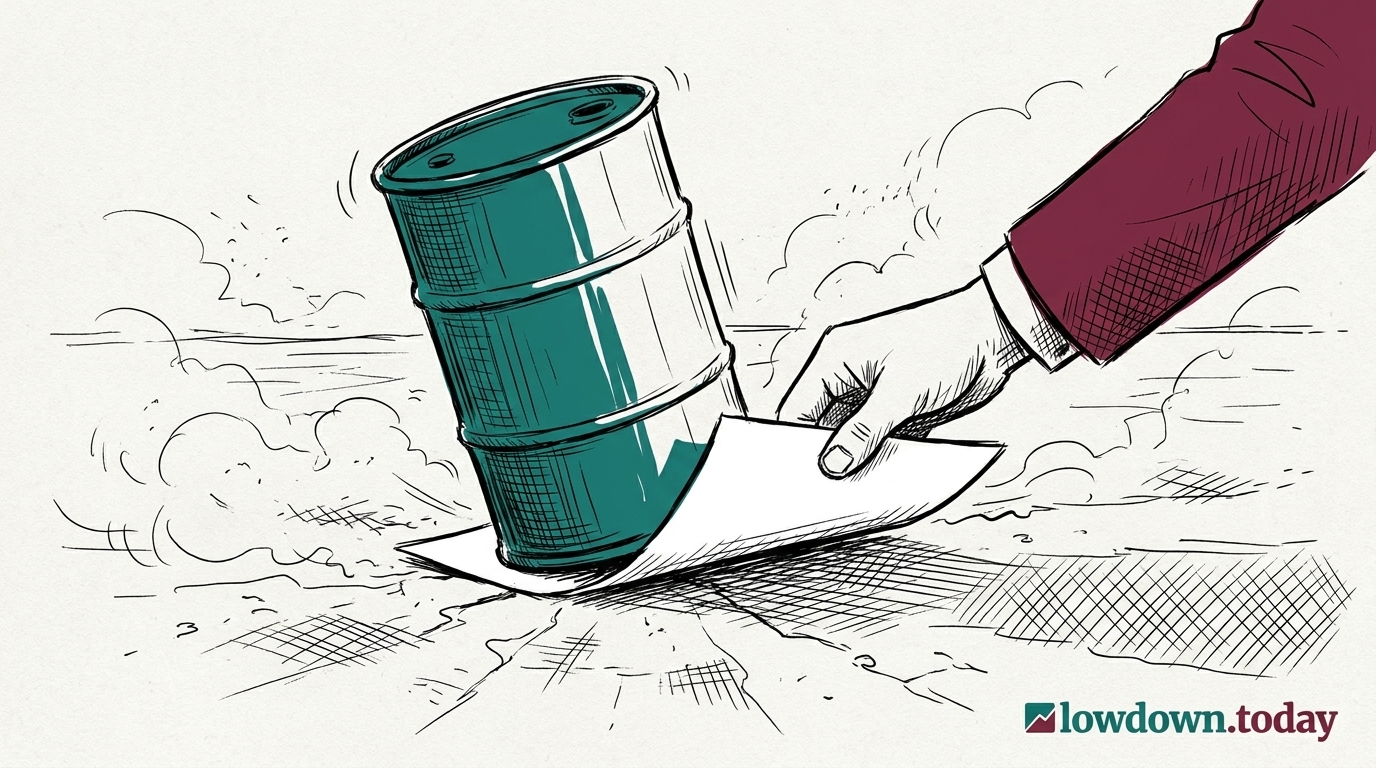
Pakistan carried a one-page US memorandum of understanding (MOU) into Tehran on Thursday 7 May 2026, the first paper to move from Washington to Tehran in 67 days of war. Esmaeil Baqaei, spokesman for Iran's Ministry of Foreign Affairs, told reporters the same day that Iranian negotiators are reviewing the text and will route their reply back through Islamabad 1. NBC News and Al Jazeera describe the document as proposing a formal end to the conflict, the lifting of the US naval blockade, and a phased reopening of the Strait of Hormuz over 30 days, with the nuclear file held back to a separate later track 2.
The channel matters as much as the text. Three earlier Iranian written texts ran the other way and produced verbal US replies: Iran's three-phase Ceasefire on 27 April, the revised two-phase text on 28 April, and Foreign Minister Abbas Araghchi's 14-point proposal on 1 May , each of which produced a Truth Social rejection rather than a written reply . The fourth round produces the first US written response, and Ishaq Dar's 6 May confirmation that Pakistan brokered the first US-Iran direct talks in 47 years put the back-channel on the record the day before the paper landed.
The market priced the paper, not the post. Brent July futures settled at $99.40 on ICE Futures Europe the same session, touching an intraday low of $96.73 and closing 1.85 per cent down on the day, the first sub-$100 close since Operation EPIC FURY began on 28 February 3. The four-session cumulative fall ran to $9.11 a barrel against the 6 May settlement of $108.51 , with the diplomatic triggers of Project Freedom's launch and pause carrying the curve down. Trump's accompanying Truth Social post, which threatened that "the bombing starts" if Iran refused, produced no bid.
Baqaei went on the record; Iran's state news agency ISNA dismissed the "memorandum" label as media speculation while not denying the document; The White House has not publicly confirmed authorship. The Pakistani channel preserves Trump's option to disown the paper as an Islamabad initiative if Tehran rejects it. What is not contested is the price action: Brent had crossed $123 the morning the United Arab Emirates quit OPEC on 1 May, and a $9 retracement in four sessions translates to roughly 9 pence per litre of pump-price headroom in UK haulage and forecourt pricing.





