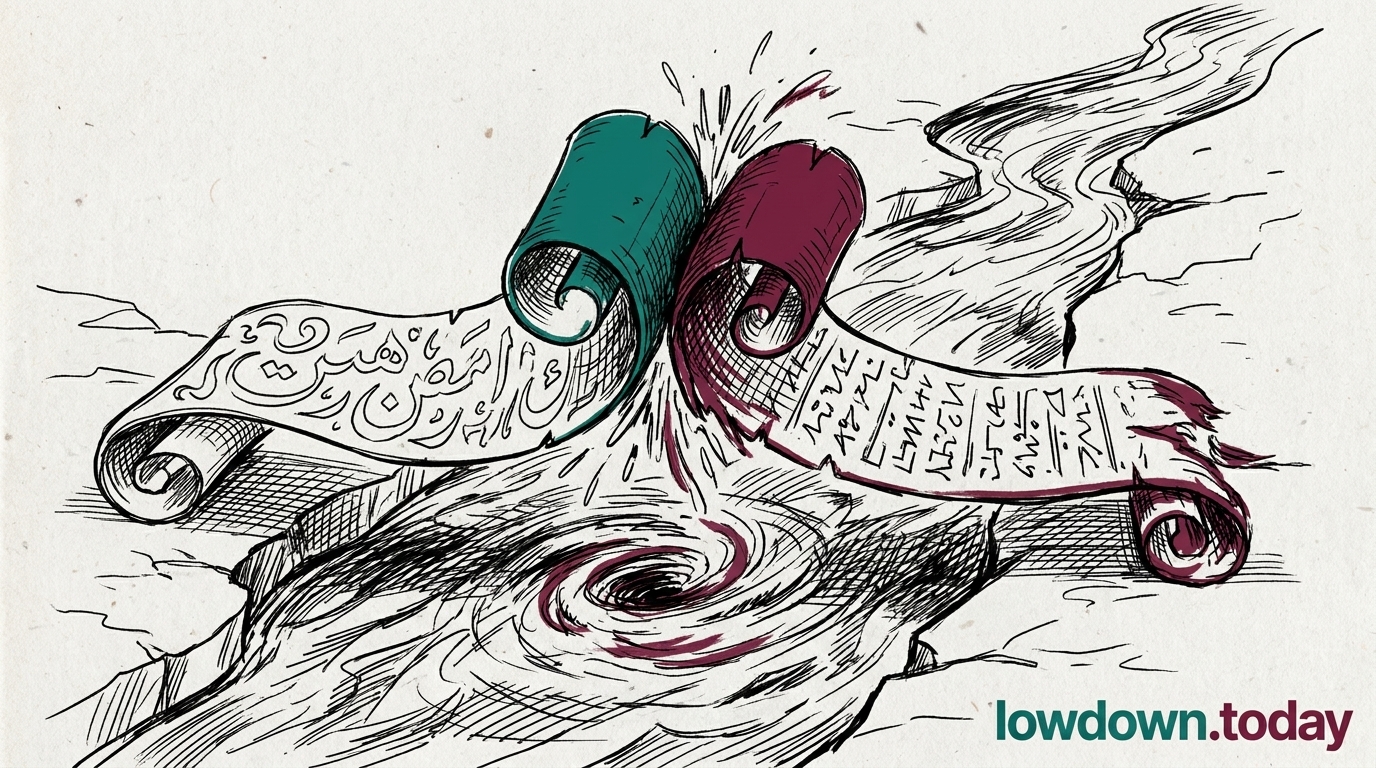
Hengaw, the Norway-based Kurdish human-rights organisation, confirmed two executions at Ghezel Hesar prison and the custodial death of Abbas Yavari in a Shiraz detention centre. Hengaw's casework on Iranian prison conditions relies on named sources inside the families of detainees and on communication with released prisoners; its figures are typically lower than Iran Human Rights' aggregated totals because the monitor verifies individually.
Ghezel Hesar, north-west of Tehran, has been Iran's busiest execution site during the war. The custodial death in Shiraz is categorically separate: Yavari was not sentenced to death but died in detention, a pattern that covers interrogation fatalities, medical neglect and unexplained prison violence. The legal remedies available to his family under Iranian wartime procedure are close to nil; the parliamentary commissions that would normally investigate have been stood down for the duration of hostilities.
For the EU's Iran human-rights dossier, the April Hengaw figures matter procedurally. The Foreign Affairs Council reviews the Iran sanctions list every six months, and the executions recorded during the war will sit on the next review under the listed criteria for targeted measures against Iranian prison officials. A counter-view from Iranian state media frames execution figures from diaspora monitors as politically motivated; Hengaw's practice of naming individual detainees, rather than publishing aggregated totals, is the part of its methodology that makes that counter-framing hardest to sustain.



