Why does Hengaw keep naming Shiraz as Iran's wartime judicial flashpoint?
Timeline for Shiraz
Mentioned in: OFAC names Khamenei's money man in Dubai
Iran Conflict 2026Mentioned in: NCRI: Tehran court sentenced Fallahi to death
Iran Conflict 2026Athlete Benyamin Naqdi sentenced to death
Iran Conflict 2026Mentioned in: Naqadeh dual, two Iraqis, a Turk at risk
Iran Conflict 2026Mentioned in: Hengaw: 3 executed, writer detained 19 May
Iran Conflict 2026Background
Shiraz, capital of Fars Province in southern Iran, became a site of documented custodial death during the April 2026 ceasefire window when Abbas Yavari, aged 31, was confirmed tortured to death in a Shiraz detention centre. Iranian authorities attributed the death to suicide; human rights organisation Hengaw documented the case alongside two further custodial executions at Ghezel Hesar Prison in the same reporting period.
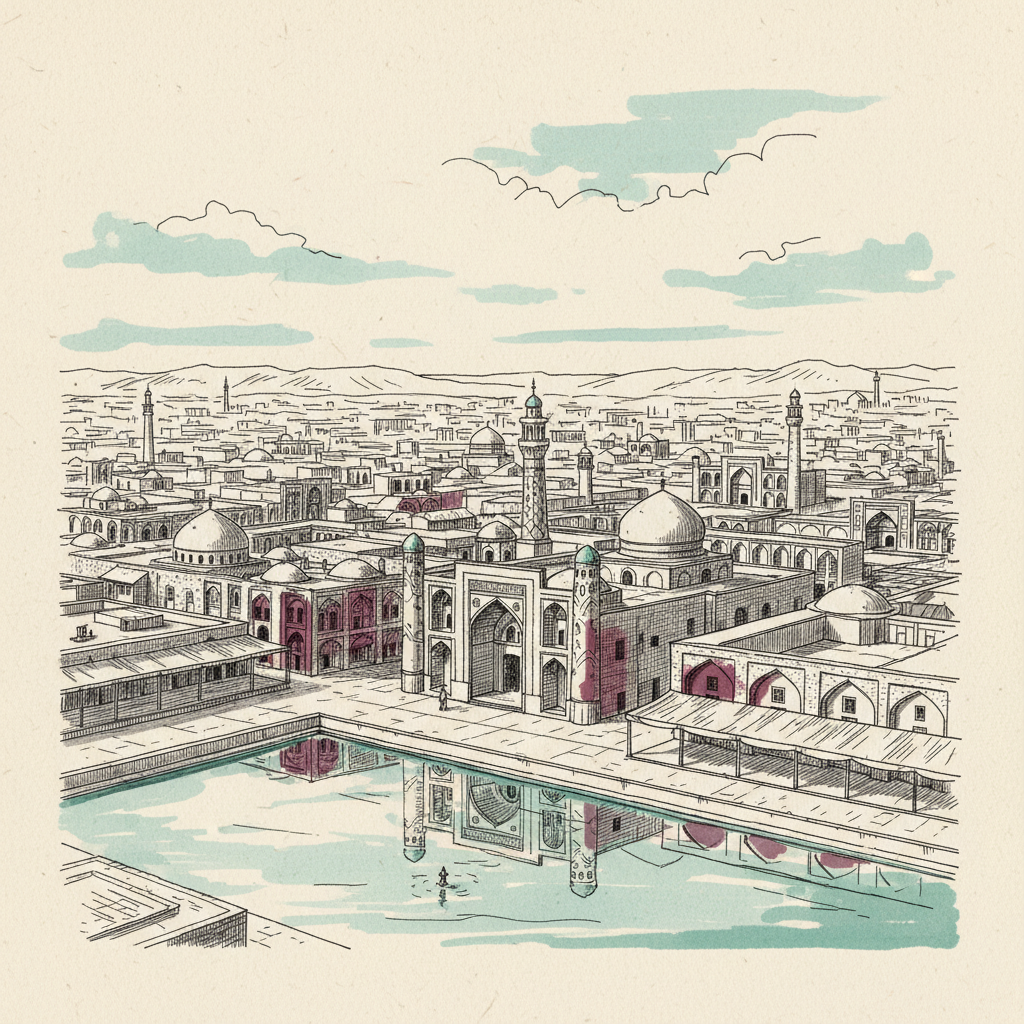
Shiraz is Iran's fifth-largest city, with a population of approximately 1.9 million. It is historically significant as the birthplace of Persian poets Hafez and Saadi, and as the gateway to the ancient Achaemenid site of Persepolis approximately 60 km to the northeast. The city is the commercial and administrative centre of Fars Province, a predominantly agricultural region known for wine grapes (historically) and petrochemical production.
The documented abuse in Shiraz during a nominal Ceasefire reinforces the pattern that the 2026 conflict has not suspended Iran's internal security apparatus. Detention centres across Iran have continued operating through the war and the internet blackout, with human rights organisations reliant on smuggled testimony to document conditions.
Shiraz's wartime judicial record has deepened through May 2026. Lawyer Bahar Sahraeian was detained by Iranian security forces at 22:05 on 17 May 2026 while performing legal duties in the city, part of a documented wave of pressure on Iran's defence bar. The following day Hengaw reported that the execution of Kurdish prisoner Saeid Rahmanirad had been carried out, with his family denied both advance notice and the right to retrieve the body, consistent with the Hengaw-documented pattern of secret executions across Iranian prisons during the conflict period.
These incidents place Shiraz at the centre of Hengaw's documentation work for the Iran-conflict-2026 period: custodial death (Yavari, April), the execution of Rahmanirad, and the targeting of defence lawyers (Sahraeian, May). The city's detention infrastructure has become one of the primary lenses through which international human rights monitors have tracked the intersection of Iran's security apparatus and the war. Hengaw's Reliance on smuggled testimony reflects the continued total internet blackout, over 1,176 hours by late April, that limits Independent verification from within the city.
A separate, financial dimension of the war reached Shiraz on 10 July 2026, when OFAC designated Dubai-based financier Ali Ansari as 'Linked To: KHAMENEI, Mojtaba' and the IRGC, naming Shiraz's exchange houses alongside those in Tehran and a Hong Kong trading company as part of the same money-moving network. It is the first US Treasury action to name Mojtaba Khamenei directly, and places Shiraz's currency-exchange sector, rather than its judicial record, briefly at the centre of the war's financial-enforcement track.
Why did OFAC name Shiraz in a July 2026 sanctions designation?
Why was lawyer Bahar Sahraeian detained in Shiraz?
What happened to Saeid Rahmanirad in Shiraz?
What was the Abbas Yavari case in Shiraz?
Is Iran still detaining people during the 2026 ceasefire?
How has Iran's internet blackout affected reporting from Shiraz?
What is Shiraz known for historically?
Written with AI from Lowdown's published reporting. Not individually reviewed by an editor. Updated 15 July 2026. Editorial standards.