Skip to content
Iran Conflict 2026
20APR

Iran internet blackout passes 51 days, a world record

2 min read
10:10UTC

Iran's nationwide shutdown reached 51 days on 20 April. MP Ranjbar told state media that reconnection was 'not advisable'.

ConflictDeveloping
Key takeaway

Iran's 51-day blackout now has parliamentary cover, with MP Ranjbar saying reconnection is not advisable.

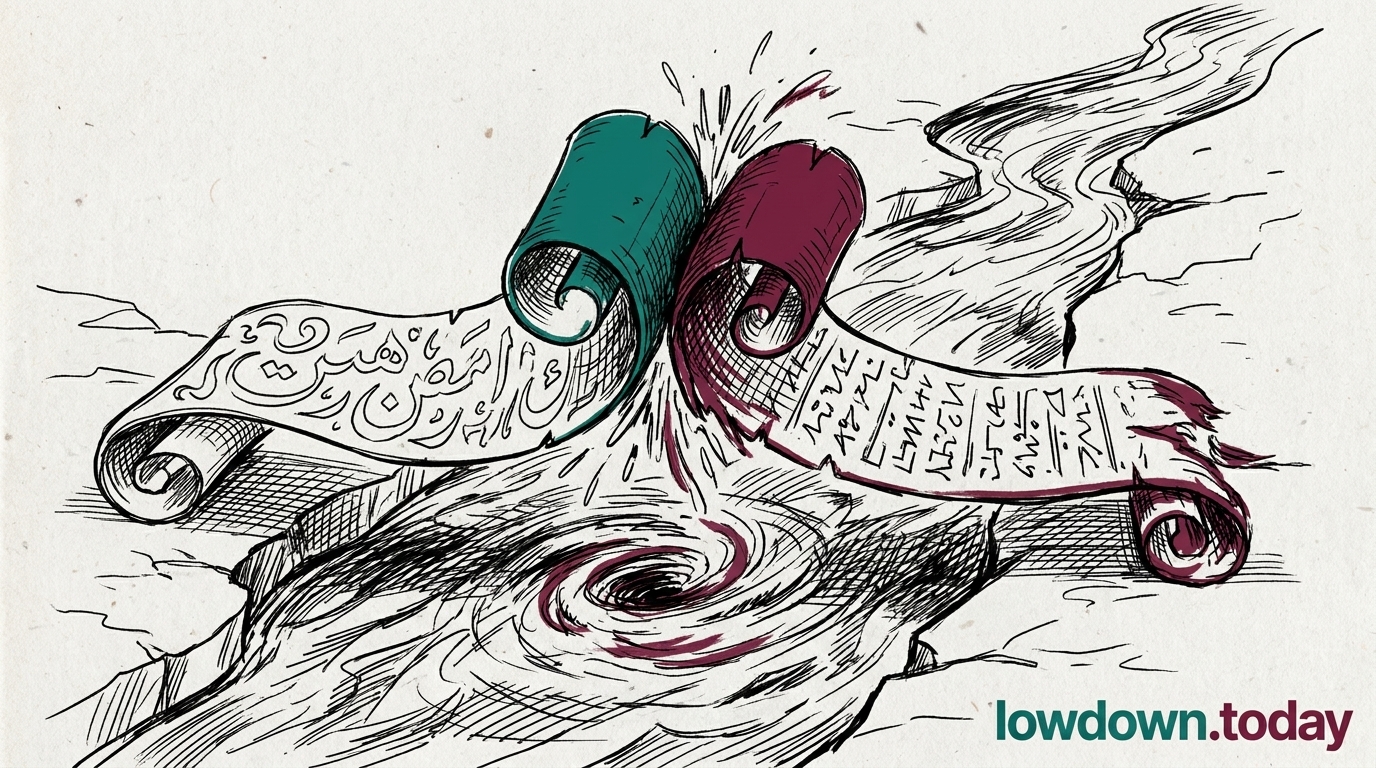
Iran's nationwide internet blackout passed 51 days on 20 April, extending the longest sustained shutdown ever recorded against any country . Ranjbar, a member of Iran's parliament, told Iranian state media that reconnection was "not advisable", per state-media reporting 1.

The blackout started as a wartime OPSEC measure, intended to limit coordination space for domestic dissent and foreign intelligence tasking during the opening phase of Operation Roaring Lion / Epic Fury. Fifty-one days in, that framing no longer fits. Ranjbar's comment to state media is the first on-record instance of a sitting MP defending the shutdown as continuing policy rather than temporary necessity. Once parliamentarians are arguing the shutdown should not be lifted, the off-switch is no longer a technical decision.

For Iranian civilians the economic cost is measured in shuttered small businesses that operate on messaging apps, remittance flows that cannot clear, and medical consultations that no longer happen. Internet-facing Iranian exports, already constrained by sanctions, run through VPN infrastructure that the state actively disrupts. Human-rights monitors including NetBlocks have catalogued the outage day by day; the comparative data is the record itself. A counter-view from Iranian security officials is that reconnection would expose domestic networks to coordinated foreign operations while the war remains hot. That argument held on Day 5; on Day 51, with hostilities in a tentative ceasefire posture, it is harder to sustain.

Deep Analysis

In plain English

Iran has had no general internet access for 51 days as of 20 April, the longest nationwide internet shutdown ever recorded for a country of Iran's size. An Iranian parliament member said on 20 April that reconnecting the internet is 'not advisable.' For ordinary Iranians, this means no access to international news, social media, messaging apps like WhatsApp, or foreign websites. International bank transfers that rely on SWIFT connectivity are disrupted, as are customs clearance systems for imported goods. The government runs a separate domestic network that keeps its own services functioning, but the external internet, and with it information about what is happening in the conflict, remains blocked.

Deep Analysis
Root Causes

Iran's government controls the national internet exchange point (IXP) and can implement full blackouts via the National Information Network (NIN), a parallel domestic internet architecture built after the 2009 Green Movement protests. The NIN allows government services to continue functioning domestically during international internet severance.

MP Ranjbar's 'not advisable' formulation signals the blackout will continue until the Guard Corps and civilian security apparatus are satisfied that reconnection will not provide protest coordination infrastructure. That bar is undefined and moveable, making indefinite continuation the default path.

What could happen next?
  • Consequence

    At 51 days, offline protest-coordination infrastructure inside Iran has reached maturity; reconnection will not eliminate those networks but will add online capacity to them.

First Reported In

Update #74 · Two unsigned rulebooks collide at Hormuz

UN News· 20 Apr 2026
Read original
Causes and effects
This Event
Iran internet blackout passes 51 days, a world record
The longest nationwide internet shutdown on record is now being defended in public by a sitting parliamentarian. The blackout has moved from wartime measure to stated policy, which is the condition under which it becomes structural.
Different Perspectives
Global South governments (Indonesia, Brazil, South Africa)
Neutrality was possible when the targets were military. 148 dead schoolgirls made it impossible — no government can explain that away to its own citizens.
Trump administration
Oscillating between claiming diplomatic progress and threatening escalation, while deploying additional ground forces to the Gulf.
Israeli security establishment
Fears a rapid, vague US-Iran agreement that freezes military operations before the IDF achieves what it considers full strategic objectives. A senior military official assessed the campaign is 'halfway there' and needs several more weeks.
Iraqi government
Iraqi government
Iraq's force majeure is the position of a non-belligerent whose entire petroleum economy has been paralysed by a war between others — storage full, exports blocked, production being cut with no timeline for resumption.
Russia — Ambassador Vassily Nebenzia
Moscow calibrated its position between Gulf states and Iran: abstaining on Resolution 2817 rather than vetoing it, signalling it would not block protection for Gulf states, while refusing to endorse a text that ignores the US-Israeli campaign it regards as the conflict's proximate cause. Russia proposed its own ceasefire text — which failed 4-2-9 — allowing Moscow to claim the peacemaker role while providing Iran with satellite targeting intelligence, a duality consistent with its approach in Syria.
France — President Macron
France absorbed its first combat death in a conflict it has publicly declined to join. The killing of Chief Warrant Officer Frion in Erbil forces Macron to choose between escalating involvement and accepting casualties from the margins.