Has Iran's Hormuz strategy cost it India's neutrality?
Timeline for Mohammad Fathali
Mentioned in: India faces three Iran tracks, speaks on one
Iran Conflict 2026Mentioned in: Iran internet blackout passes 51 days, a world record
Iran Conflict 2026Mentioned in: Hengaw reports executions and custodial death
Iran Conflict 2026India warns Iran after tankers fired on with clearance
Iran Conflict 2026Mentioned in: OFAC named India three days before IRGC fire
Iran Conflict 2026Background
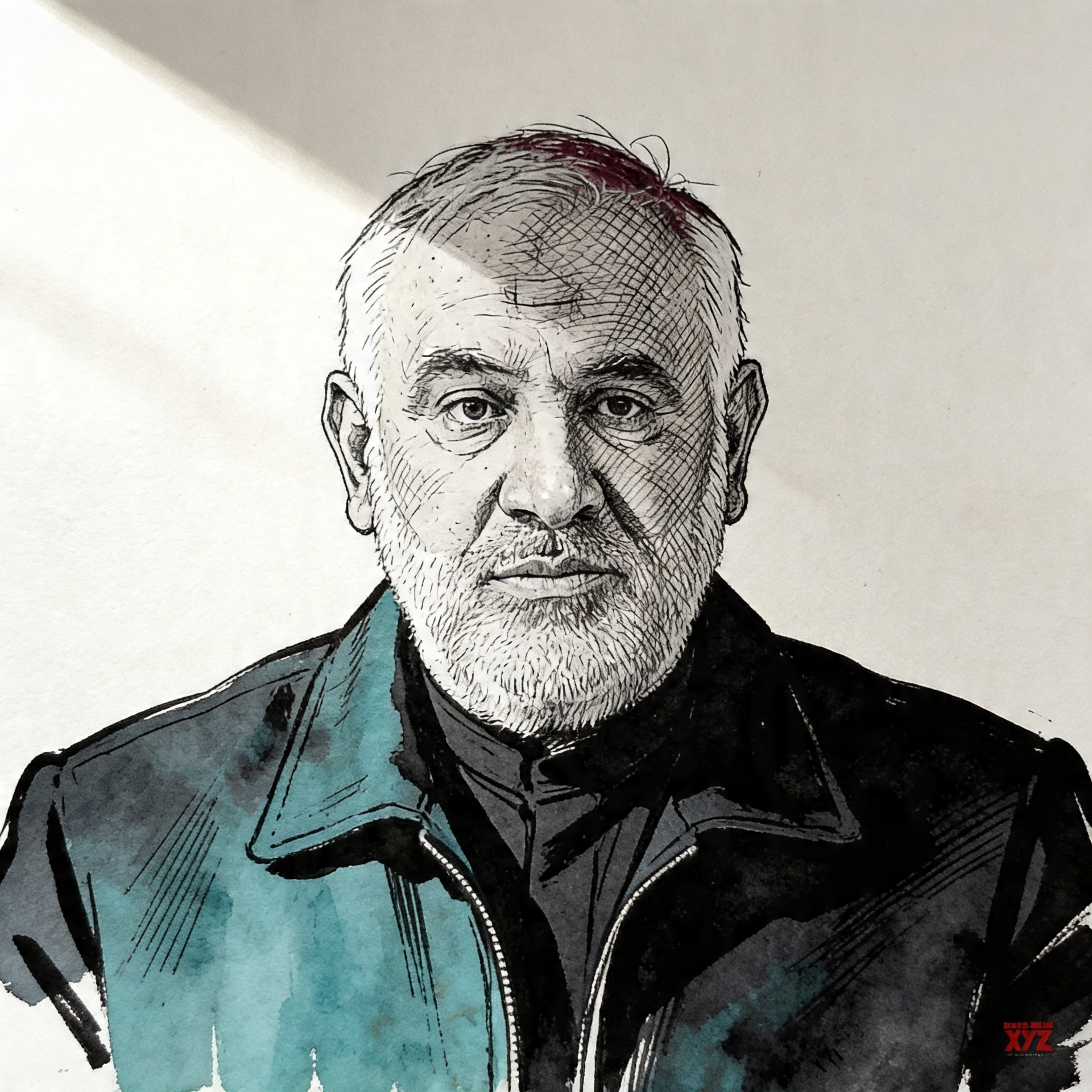
Mohammad Fathali serves as Iran's ambassador to India, having presented his credentials to President Droupadi Murmu on 15 December 2025, succeeding Iraj Elahi who departed New Delhi in October 2025. On 18-19 April 2026 he was summoned by Indian Foreign Secretary Vikram Misri after IRGC gunboats fired on two Indian-flagged vessels, the VLCC Sanmar Herald and the tanker Jag Arnav, in the strait of Hormuz despite both receiving prior Iranian radio clearance to transit. India's Ministry of External Affairs delivered a formal warning of 'consequences', marking the first non-Western diplomatic rupture the US blockade had not directly produced.
Fathali is a career diplomat who joined Iran's Foreign Ministry in 1990. He served as ambassador to Lebanon from 2014 to 2018 and as special assistant to foreign ministers on strategic affairs from 2008 to 2014. His summoning carried strategic weight because India is one of Iran's largest crude buyers and had maintained studied neutrality for 50 days of war. The incident placed New Delhi in the position of formally protesting to Tehran while simultaneously exposed to US secondary sanctions: OFAC designated two Indian nationals and three Indian entities on 15 April — three days before the IRGC attack — for links to Iranian oil-smuggling networks.
The diplomatic protest did not escalate further in the immediate 24 hours, but it signals that Iran's Hormuz enforcement has begun alienating non-aligned powers whose neutrality Tehran had previously cultivated. Fathali must now manage a dual crisis: the IRGC's direct fire on Indian ships and OFAC's simultaneous designation of Indian intermediaries — two pressure points that threaten the India-Iran energy relationship from both ends.
Why did India summon Iran's ambassador in April 2026?
When did Mohammad Fathali become Iran's ambassador to India?
What is India's position on the Iran war?
Which Indian oil tankers were attacked by Iran?
What was the OFAC connection to Iran's India ambassador in April 2026?



Written with AI from Lowdown's published reporting. Not individually reviewed by an editor. Updated 22 September 2026. Editorial standards.