Skip to content
You can now search across every topic, entity and event.What's new
Iran Conflict 2026
28JUL

US strikes reach Tehran on day two, ordered by phone

4 min read
09:28UTC

CENTCOM struck surveillance, communications and air-defence sites at western Tehran, Sirik and Minab on 10-11 June, widening the war inland from the coast as Trump ordered a second day verbally from the Oval Office.

ConflictDeveloping
Key takeaway

The campaign reached the capital on its second day, ordered again by phone, with Washington calling the bombing the negotiation.

CENTCOM completed a second consecutive day of strikes on Iran across 10-11 June, hitting military surveillance, communications and air-defence sites at western Tehran, Sirik and Minab. The geography is the news: the 9-10 June strikes had stayed on the Hormuz coast at Qeshm, Bandar Abbas and Jask , and this round reached the capital. US Marine, Air Force and Navy assets ran the operation, which CENTCOM framed as self-defence against continued aggression and reported complete with no American casualties.

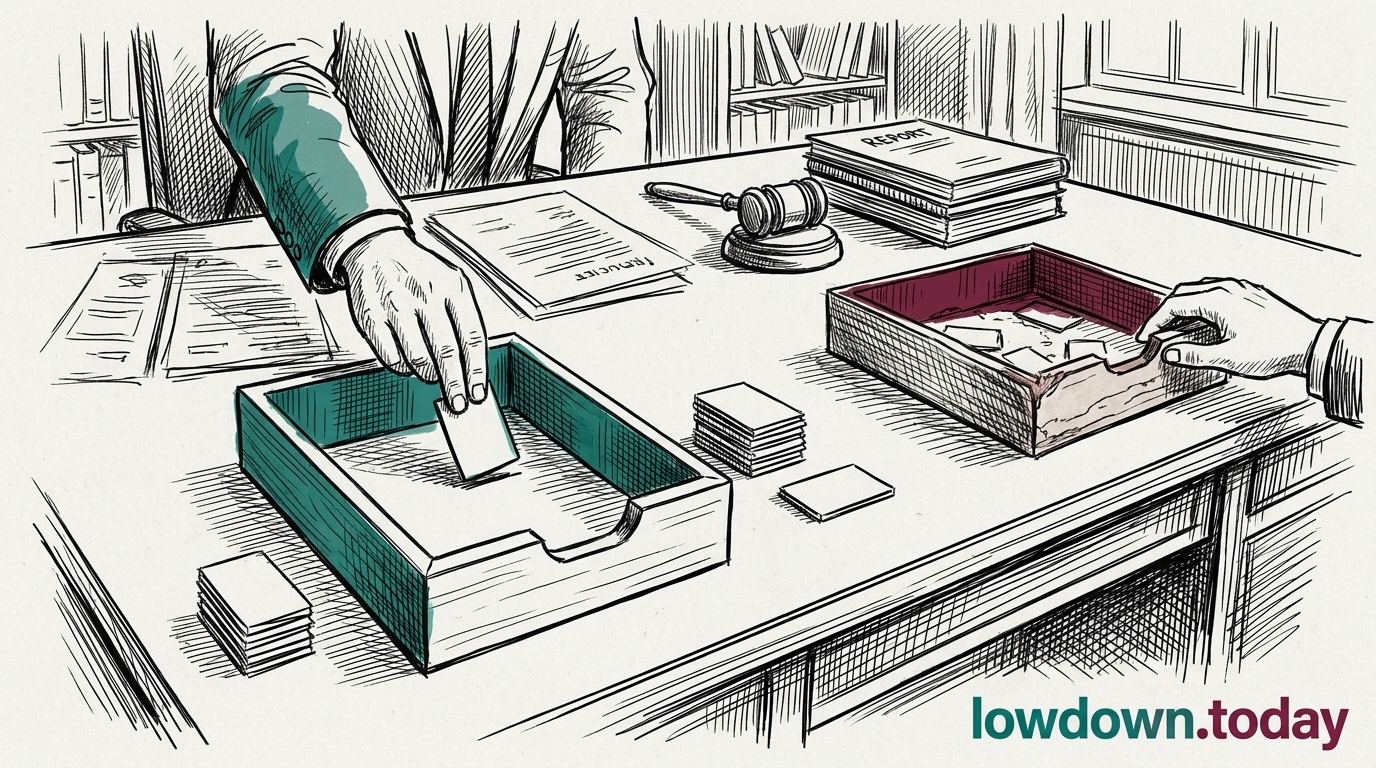
Donald Trump ordered it the way he ordered the first round, verbally from the Oval Office, with no AUMF, no Article 51 notice to the United Nations and no signed instrument, repeating the method even as a second day of ordnance landed . Pete Hegseth said the strikes were designed to set the terms for a deal and that Iran would be wise to take it; pressed on method, he said, "If we need to negotiate with bombs, we'll negotiate with bombs." Trump told reporters Iran "had a chance to sign a deal and survive" and should "start signing a paper."

Reading the two days together, the bombing is being run as the diplomacy rather than alongside it. The word from Washington each day has been "sign," delivered with a second strike order and an amended draft returned to Tehran. That collapses the distinction between coercion and negotiation, and it leaves Iran answering ordnance rather than a written offer.

Deep Analysis

In plain English

The United States carried out air strikes on military sites in Iran for the second day running on 10-11 June. On the first day, strikes had stayed near the coast. This second round hit sites close to Tehran, Iran's capital, a significant escalation in how far into the country the bombing was reaching. President Trump ordered the strikes in a verbal conversation at the White House. Unlike most military operations, there was no formal written authorisation from Congress and no legal notification to the United Nations. Defence Secretary Pete Hegseth told journalists the strikes were designed to force Iran to sign a deal, saying 'if we need to negotiate with bombs, we'll negotiate with bombs.'

Deep Analysis
Root Causes

The legal gap driving the no-AUMF pattern predates this conflict. The 2001 and 2002 AUMFs authorised force against al-Qaeda and Iraqi state actors respectively. Congress never passed an Iran-specific authorisation, and the Trump administration has relied on Article II inherent presidential war powers for every kinetic action since 28 February 2026.

The House's 215-208 War Powers Resolution on 3 June passed with the narrowest possible majority and Trump is expected to veto it. Senate cloture on a war-powers resolution fell ten votes short of the 60 required. The structural condition enabling verbal-order strikes is therefore not presidential preference alone but a Congress too closely divided to force an AUMF requirement.

Escalation

Upward and widening. The target set moved from the Hormuz coast to the capital in 24 hours. A second verbal strike order with no AUMF and no Article 51 notice hardens the pattern of force by spoken word. Hegseth's 'negotiate with bombs' framing means Washington has no threshold at which it would pause strikes to allow a negotiating response.

What could happen next?
  • Precedent

    Two consecutive days of presidential verbal strike orders on a foreign capital without AUMF or Article 51 notice establish the pattern as a standing doctrine, not a one-off emergency measure. Any future administration would cite this as precedent for Article II air campaigns.

    Long term · Assessed
  • Risk

    Iran's strikes on Azraq, Bahrain, and Kuwait bases (ID:4075) showed the IRGC is willing to hit third-country US facilities. A third day of US strikes on Tehran-area targets raises the probability of IRGC targeting of UAE-based US assets, which would draw UAE into the conflict.

    Immediate · Assessed
  • Consequence

    Damage to communications and air-defence infrastructure at Sirik and Minab degrades the physical capacity of Bandar Abbas export operations even after any ceasefire, adding weeks to any post-deal oil supply recovery.

    Short term · Assessed
First Reported In

Update #124 · IRGC declares Hormuz shut; US strikes again

CENTCOM / Jerusalem Post· 11 Jun 2026
Read original
Different Perspectives
Iran's Supreme Leader's office and Iranian households
A letter published through state media named Lebanon's territorial integrity and an end to Israeli operations there as the war's ending condition; the same week, spokesperson Mohajerani cut the subsidised petrol ration from 70 to 50 litres a month. Iranian agencies still disagree on who inside the office signed the letter.
Oman
Oman
Muscat proposed a voluntary-funded coalition to police Hormuz, the corridor its own coastline gives it standing to manage, while Iran wants control and toll rights over shipping and Washington insists on free navigation. Oman's remit stops at the strait; it has no comparable claim over Iraq, the Caspian, or Lebanon.
Kyiv
Kyiv
President Volodymyr Zelenskyy confirmed the Caspian strike on an Iranian vessel carrying military cargo from Russia's Astrakhan region, opening a front that ties Iran's war to its supply relationship with Moscow rather than to anything the Gulf mediators are discussing.
Riyadh
Riyadh
Maj Gen Turki Al Malki named Iraq as the launch point for drones intercepted over the Eastern Province and Riyadh, the first time this war has reached Saudi Arabia from that direction rather than from Yemen. Nothing landed, but a second launch geography aimed at Saudi oil now exists alongside the Houthi front.
Baghdad
Baghdad
Iraq's Foreign Ministry summoned its own ambassador in Riyadh after Saudi Arabia's Defence Ministry said the drones came from Iraqi territory, while the same day drones struck Iranian-Kurdish opposition camps inside Iraq. Baghdad is disowning attacks it did not launch from territory it does not fully control.
The Pentagon and Congress
Acting press secretary Joel Valdez attributed the toll's reversal to site anomalies, the same explanation the department gave for the opposite cut on 24 July; Representative Thomas Massie called the category change an absurd ruse designed to reset the war's legal clock. Neither side agrees on which explanation, or which war, is real.