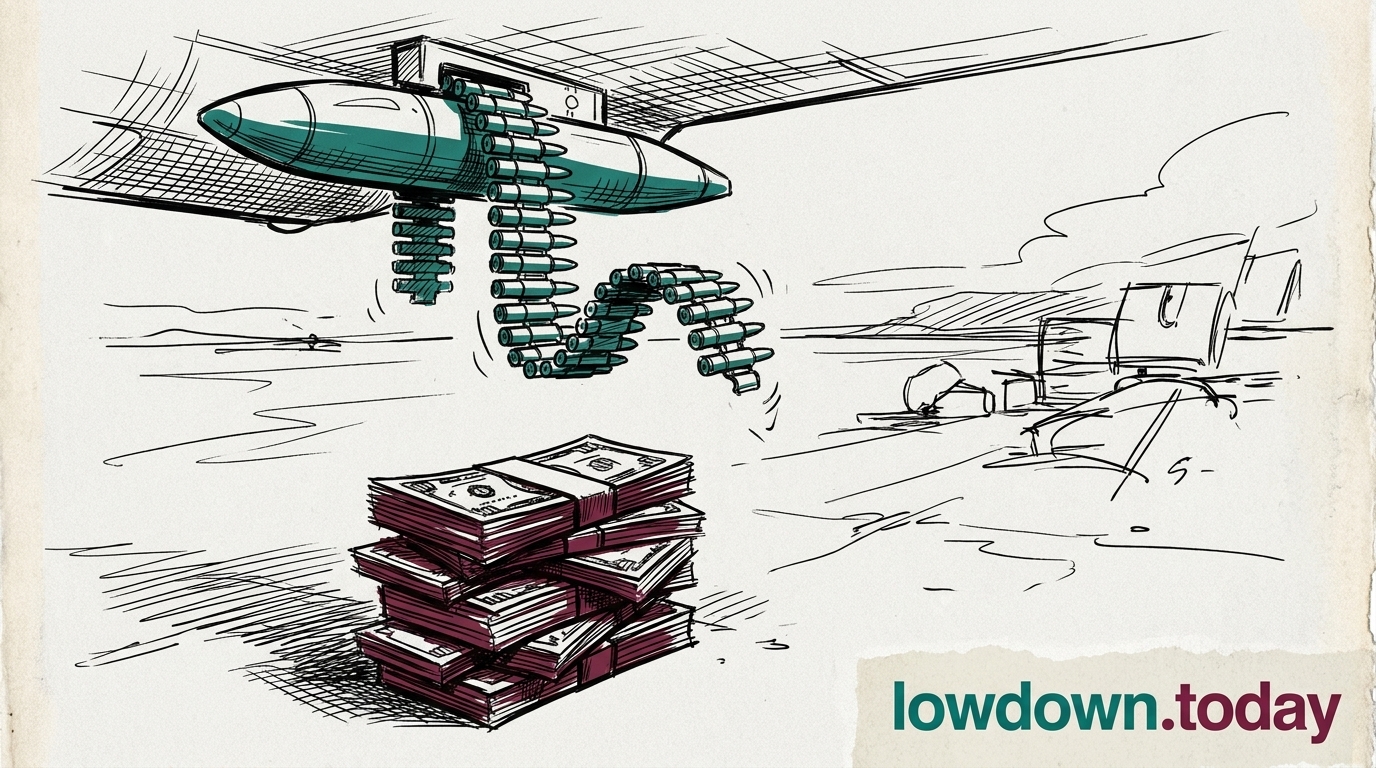
Houthi forces struck Aramco-linked sites at Yanbu and Jazan on 25 July, widening a target set that had reached only Jazan's industrial city the previous day1. CNN's geolocated video showed large fires in the Jazan industrial district; Saudi Arabia issued security alerts for both cities without confirming the strikes2.
Yanbu sits on the Red Sea north of Jeddah and handles crude arriving by pipeline from the Eastern Province, the route Saudi exports take when the Gulf is unsafe. Striking it reaches the workaround rather than the chokepoint, and it puts a Houthi weapon on the far side of The Kingdom from Yemen. The analyst Mohammed Basha said the strikes end a "recent restraint in targeting strategic infrastructure inside Saudi Arabia"3.
Between 10 and 21 Islamic Revolutionary Guard Corps personnel, including senior commanders, flew from Tehran into Yemen on 13 July along with missile and drone-related equipment, Reuters reported citing four sources4. A Houthi media official who said he was aboard the flight denied any military experts were on it. Secretary of State Marco Rubio said the Houthis had been "snookered" by Iran into joining the war5.
Tehran has treated the Houthis as a deniable instrument since the group took Sanaa in 2015, supplying matériel from a distance. Personnel physically embedded with Houthi forces narrows that deniability, and it cuts both ways: Washington and Riyadh acquire a sourced Iranian hand to point at, while Iran acquires a front it can neither disown convincingly nor call off on demand. The sequence already ran once this week, from the strike on the Saudi tanker NCC Masa to Saudi air strikes near Hodeidah. If Aramco damage is confirmed at Yanbu, the pressure on Riyadh to answer at a scale beyond Hodeidah becomes the war's next moving part.


