Skip to content
You can now search across every topic, entity and event.What's new
Iran Conflict 2026
26JUL

Iran publishes the flattering oil figure

2 min read
12:01UTC

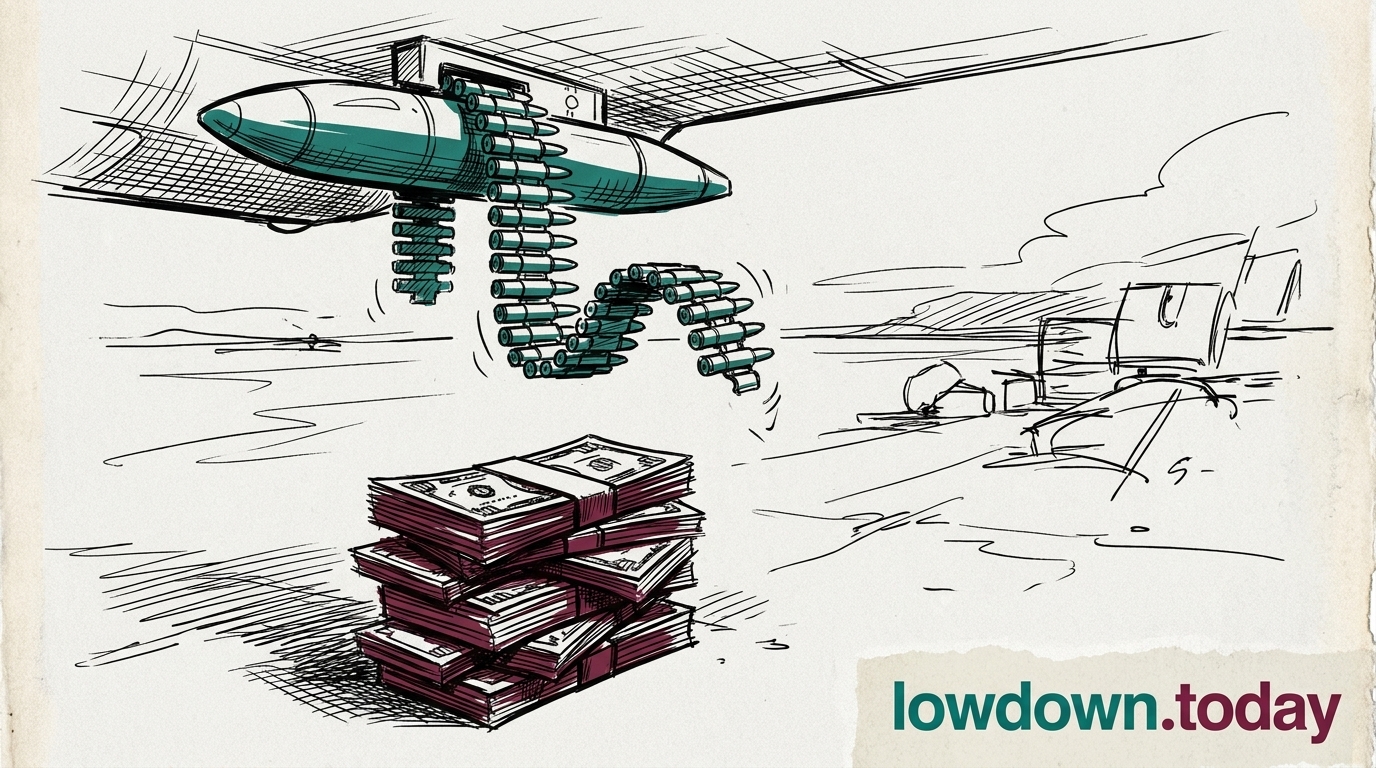
Oil minister Mohsen Paknejad disclosed $18 billion in wartime oil sales, all of it earned before the current blockade closed the sea lane.

ConflictDeveloping
Key takeaway

Iran disclosed pre-blockade oil earnings of $18 billion and no figure at all for the period since.

Iran's oil minister Mohsen Paknejad disclosed $11.5 billion in oil sales between 28 February and 7 April and $6.5 billion between 7 April and 10 July, in remarks Reuters reported on 25 July 1. The combined $18 billion amounts to more than 60% of the oil revenue Iran budgeted for the year, earned across the war's first phase and the ceasefire that followed it.

Both periods close before the fighting resumed on 8 July. Neither says anything about what Iran has sold since the blockade came back into force, and Reuters could attribute no comparable figure to the weeks since; Shana, the oil ministry's own news agency, could not be reached. Any reading of these numbers as Iran shrugging off the present campaign is a reading the numbers do not support.

What they do support cuts against the framing much of the coverage of this war, including ours, has carried. Sanctions, a revoked oil waiver and five months of bombardment did not collapse Iranian oil income across the periods disclosed. That sat alongside genuine domestic damage over the same months, with the free-market rial passing 189,450 toman to the dollar : a state earning hard currency abroad while its citizens' savings evaporated at home.

Selective disclosure of a lagging favourable figure is a communications choice, not a transparency one. Iran ran a comparable pattern through the 1980s Tanker War, publishing aggregate trade totals that survived sanctions while staying silent on the shipment-level detail that would have let outsiders calculate throughput in real time. The number that matters now is the one no Iranian ministry or state outlet has released: sales made since 8 July, with the blockade back in force and Hormuz traffic collapsed. Until that figure appears, whether the blockade is working remains an open question rather than an answered one.

Deep Analysis

In plain English

Iran's oil minister says the country earned $18 billion from oil sales in two separate periods this year, together worth more than 60% of what the government had budgeted to earn from oil for the whole year. That sounds like proof sanctions and blockades are not working. But look closely at the dates: both periods end before 10 July, before the current naval blockade at the Strait of Hormuz began squeezing Iran's oil exports again. So this $18 billion tells us Iran coped well earlier in the war. It tells us nothing about how Iran's oil trade is doing right now, because nobody has published a number for that yet.

Deep Analysis
Root Causes

Iran's ability to move $18 billion of oil in under five months rests on a well-established sanctions-evasion architecture: ship-to-ship transfers in international waters, flag-switching through intermediary vessels, and discounted sales to Chinese teapot refineries that do not report the trade through standard customs channels the way OECD buyers would.

That infrastructure is built for evading financial sanctions, not for moving cargo through a physically blockaded strait; whether it survives a naval blockade at Hormuz, rather than a paperwork blockade in Washington, is precisely the unanswered question the missing post-10-July figure would resolve.

What could happen next?
  • Meaning

    The disclosed figures undercut a pure strangulation narrative for the war's first five months, without saying anything about the current blockade phase.

    Immediate · Assessed
  • Opportunity

    A future disclosure covering the post-10-July period would be the clearest available test of whether the reimposed blockade is actually working.

    Short term · Reported
  • Risk

    Absent a verified figure, both sides can claim vindication, Iran citing resilience and Washington citing blockade pressure, from the same data gap.

    Medium term · Suggested
First Reported In

Update #162 · Munitions, not Iran, halted US bombing

Iran International (citing Reuters)· 26 Jul 2026
Read original
Different Perspectives
Hormuz shipping and insurance market
Kpler, Lloyd's List and S&P Global each independently put Strait of Hormuz transits at a seventh to a sixth of pre-war levels, against CENTCOM's own position that the strait remains open for transit. War-risk premiums rose from 0.25% to 3-10% of hull value in mid-July and have held steady since.
Pakistan (with China)
Iran's interior minister met Pakistan's army chief in Islamabad on 25 July, his second visit in ten days, with China separately pushing the same track; Islamabad's stated precondition, a halt to Gulf attacks, broke within hours when the Houthis struck Yanbu and Jazan. The channel inherits Baghdad's opening without yet fixing what broke it.
Saudi Arabia
Saudi Arabia
Saudi Arabia absorbed Houthi strikes on Aramco-linked sites at Jazan and Yanbu on 25 July without confirming them, while holding a 30-year civil nuclear agreement Trump made conditional on joining the Abraham Accords two days after signing it. Riyadh is fighting on one front while being asked to concede on another.
Iran (state security leadership)
Iran's security chief said strikes continue until the enemy's "total surrender", and no IRNA, Tasnim or Fars report carries any stand-down language to match Washington's pause. Tehran reads the halt as "strategic decision-making fatigue", not a restraint it needs to reciprocate.
Washington (Pentagon and White House)
A Defense Department source called the bombing halt "on a hold", Pentagon spokesman Sean Parnell insisted the US "retains a deep arsenal of capabilities", and the White House credited "successful sanctions" and thirteen days of strikes for the same pause. Three explanations from one government suggest none of them is the whole one.
Oil traders
Oil traders
Sent Brent down 2.29 per cent to $98.38 a barrel on reports that mediation was reviving, moving the price on CENTCOM's quiet night rather than on Trump's same-day promise of a bigger operation with no deadline attached.