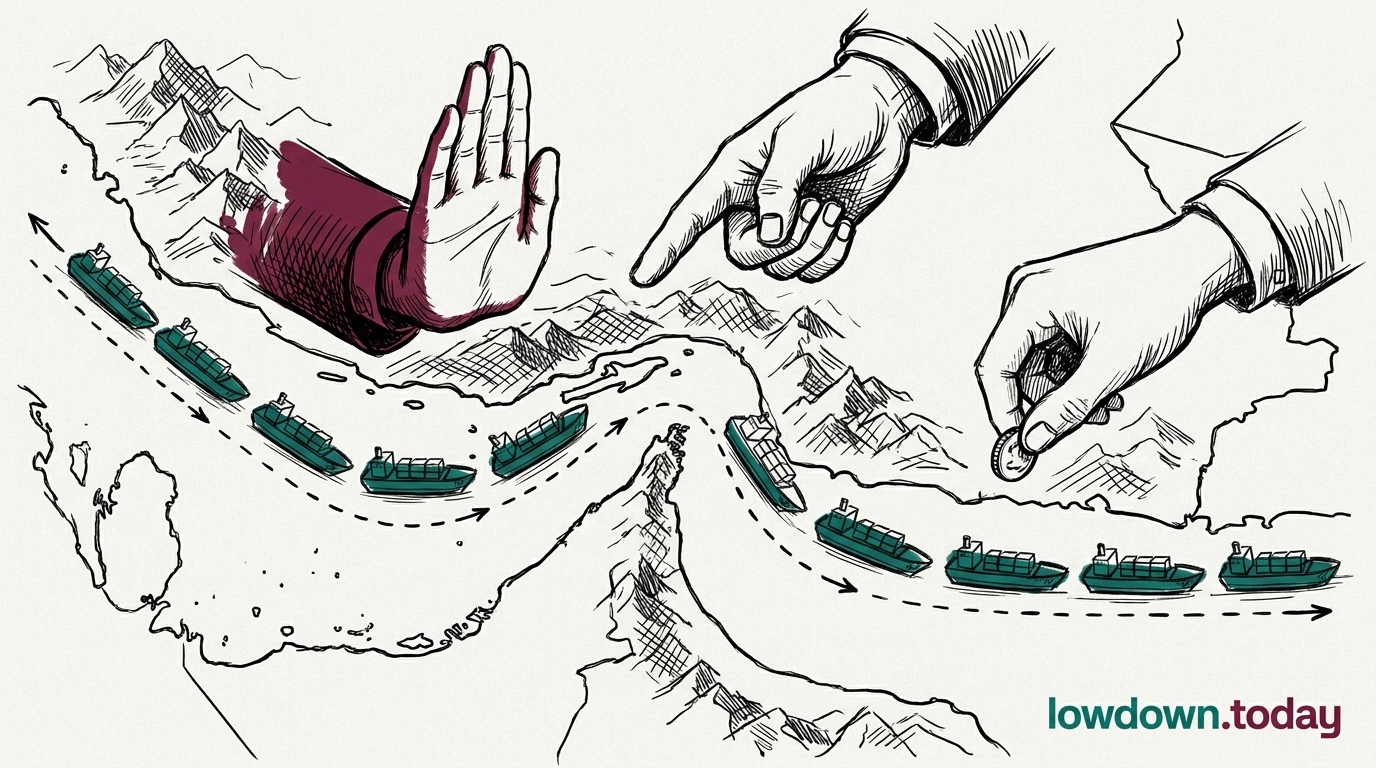
Philippines Foreign Minister Lazaro spoke directly with Iranian Foreign Minister Abbas Araghchi on 2 April, securing toll-free Hormuz passage for Philippine-flagged vessels. Manila becomes the first US treaty ally to negotiate bilaterally with Tehran since the IRGC Larak Island toll system became operational.
The Philippines was among the first countries to declare a national energy emergency as the blockade tightened in late March. With 45 days of fuel reserves and a heavily import-" "dependent energy system, Manila had direct economic pressure " "to act. The bilateral deal solves the Philippines problem. It does not solve the alliance problem.
Iran's parliament voted to codify the Hormuz toll into permanent domestic law, explicitly banning US and Israeli ships. The Philippines deal demonstrates what that law's exemption architecture looks like in practice: Iran selects which states receive access and on what terms. Manila accepted those terms. That is a meaningful concession from a US ally, irrespective of the fuel arithmetic that drove it.
Japan, South Korea, and Taiwan now face identical domestic pressure. Each depends heavily on Gulf energy imports. Each is a US ally. If any follows Manila's precedent, the collective posture Washington has relied on since the blockade began effectively dissolves into a series of bilateral licensing arrangements administered by Tehran.


