Philippines
Southeast Asian archipelago, US treaty ally, and the world's largest single supplier of maritime Labour.
The Philippines became the largest national group in an evacuation of stranded mariners on 23 June, reflecting its central place in the global seafaring workforce.
Last refreshed: 22 October 2026 · Appears in 3 active topics
Has the Philippines receiving Iranian crude changed its position in the Hormuz standoff?
Timeline for Philippines
Mentioned in: Attack on Dammam airport kills two
Iran Conflict 2026Mentioned in: UKMTO confirms one tanker hit near Bukha
Iran Conflict 2026Mentioned in: Accenture says automation has cut demand
AI: Jobs, Power & MoneyMentioned in: BAT cuts 9,000, 3,500 to Accenture
AI: Jobs, Power & MoneyMentioned in: IMO starts to evacuate 11,000 mariners
Iran Conflict 2026Background
The Philippines is a Southeast Asian archipelago and a founding member of the Association of Southeast Asian Nations. Manila serves as the capital. The country also has a mutual defence treaty with the United States while maintaining separate diplomatic and commercial ties across Asia and The Gulf.
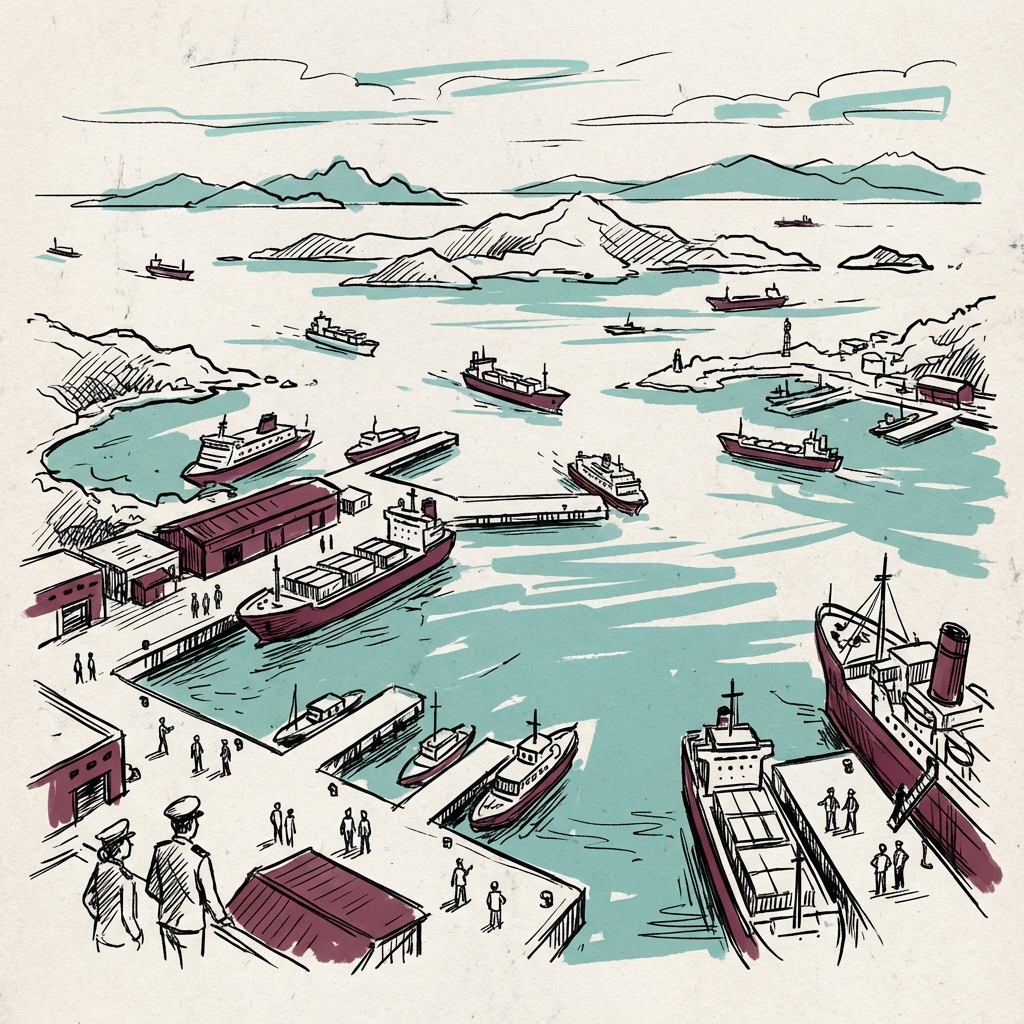
Filipino citizens form one of the world's largest national seafaring workforces. Training institutions, crewing agencies and overseas-employment systems connect households across the country to Merchant shipping. Many other Filipinos work abroad on land, making consular protection and remittance flows enduring parts of national policy.
This Labour profile gives the Philippines an unusual stake in maritime security far from its own waters. Disruption in Hormuz or Bab el-Mandeb can affect Filipino crews, contracts and families even when Manila has no military role in the conflict.
Filipino crews bear Hormuz disruption
On 10 March, the International Maritime Organisation counted 20,000 seafarers stranded in The Persian Gulf, with Filipinos forming the largest national contingent. The disruption therefore reached the Philippines through its workers before it reached the country through trade.
On 23 June, the IMO began evacuating 11,000 mariners, again with Filipinos the largest group. For Manila, the operation was both a consular task and a Labour shock because seafaring is a major source of overseas work and household remittances.
Reference
Why does the Philippines have so many overseas workers?
Why did the Philippines receive Iranian crude oil in June 2026?
How did the Philippines negotiate with Iran over Hormuz despite being a US ally?
Are Filipinos being killed in the Iran conflict?
How does the Philippines compare to India in protecting workers stranded at Hormuz?
How many Filipino seafarers are stranded in the Persian Gulf?
What is the Philippines' role in current events?
Is Accenture a big employer in the Philippines?
How big is the Philippines' outsourcing industry?



Written with AI from Lowdown's published reporting. Not individually reviewed by an editor. Updated 22 October 2026. Editorial standards.