Skip to content
Welcome, thoughtbot's Giant Robots listeners!Start here
Iran Conflict 2026
25JUN

Iran hardliners rage but cannot block it

3 min read
14:30UTC

Lawmaker Nabavian called the memorandum a path to making Iran a US colony; around 60 MPs demanded Ghalibaf justify his signature, but analysts say the revolt has no blocking power.

ConflictDeveloping
Key takeaway

Around 60 MPs condemned the deal, but Khamenei's silence leaves them no leader.

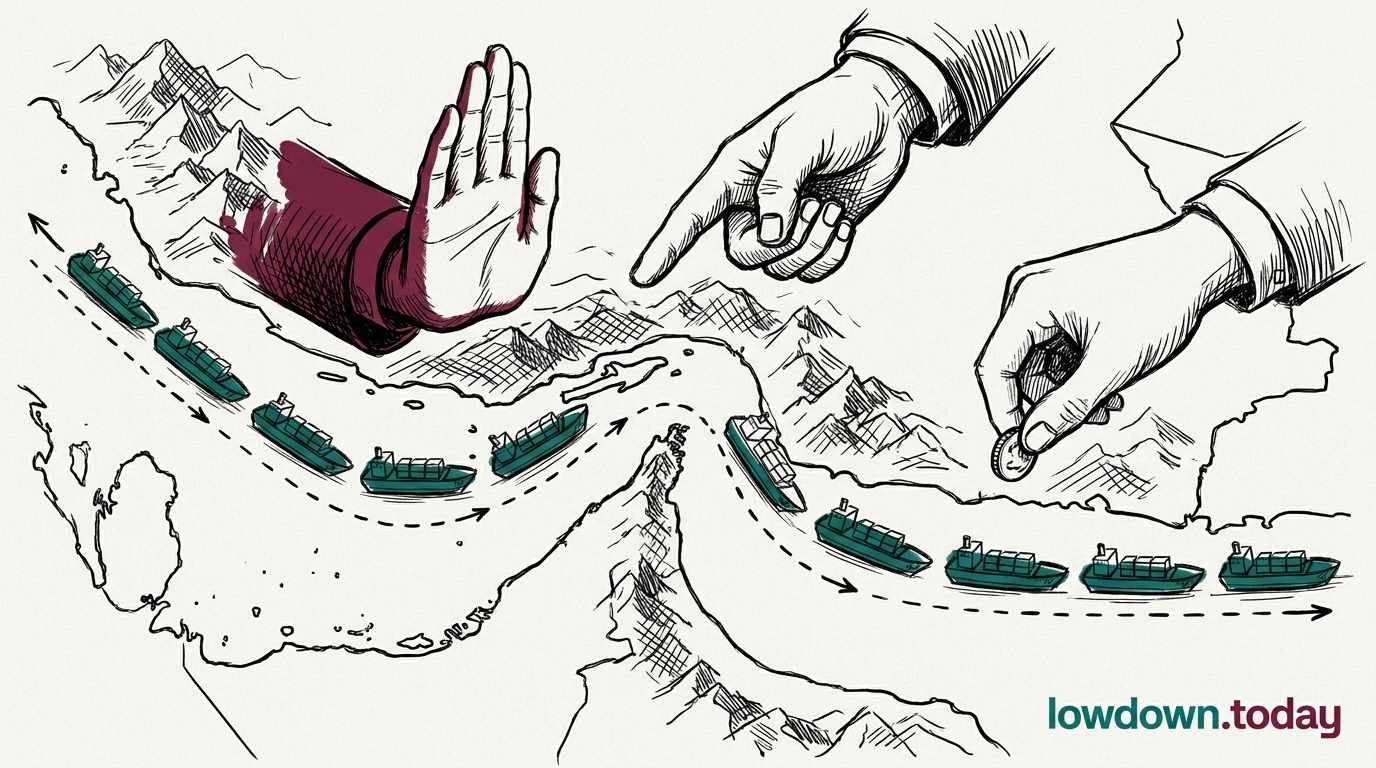
Iranian lawmaker Mahmoud Nabavian said on 16 June that the Islamabad Memorandum of Understanding would make Iran "a colony of the United States". Paydari Front MP Hossein Samsami called nuclear and regional negotiations impermissible; hardline lawmaker Amirhossein Sabeti said it violates the Supreme Leader's red lines⁠1. Around 60 MPs have demanded Speaker Mohammad Bagher Ghalibaf justify his signature.

The noise carries no blocking power. Alex Vatanka of the Middle East Institute, a Washington think tank, judges the hardliners "loud, but they have a weak case to make"; Jason Brodsky of United Against Nuclear Iran assesses that "the Supreme Leader made a decision, and that's going to carry the day"⁠2. Mojtaba Khamenei has said nothing publicly about the deal, and no named IRGC officer has spoken for or against it.

That silence is what lets the agreement proceed: it commits the corps to nothing while denying the hardliners a leader to rally behind. The Islamic Revolutionary Guard Corps (IRGC) has held day-to-day war authority since Khamenei vanished from view in March, and the corps has chosen to stay silent rather than endorse or veto. A revolt of around sixty backbenchers without a single senior cleric, general or the Supreme Leader behind it cannot override a decision the office that outranks them all has already taken in private.

Deep Analysis

In plain English

About 60 Iranian members of parliament publicly attacked the deal, saying it would turn Iran into a US colony and violated lines the Supreme Leader had drawn. But they cannot actually block it. In Iran's political system, when the Supreme Leader indicates something should happen, even indirectly through silence and allowing it to proceed, parliament's objection is a protest rather than a veto. Moreover, the head of Iran's military force, the Revolutionary Guards, stayed completely quiet. They didn't endorse or oppose the deal. Since the Guards control the strait and the weapons, their silence effectively left the hardline MPs without any military institution backing their complaint. Loud voices, no lever.

Deep Analysis
Root Causes

The revolt has no blocking power for a specific constitutional reason: the Majlis did not sign the MOU and cannot revoke it. Ghalibaf signed in his capacity as speaker, acting as a state representative under the Supreme Leader's implicit authorisation. Under Iran's constitution, Article 110 grants the Supreme Leader authority over major state policies; a parliamentary revolt against a decision the Supreme Leader has tacitly endorsed carries no veto.

The IRGC commanders' restraint removed the hardliners' last institutional backer. The corps controls Hormuz and, as of 17 June, had not resumed toll-collection at an escalatory pace following the MOU signature. General Ahmad Vahidi's silence tells the Paydari Front MPs what Article 110 already tells constitutionalists: no military institution stands behind the parliamentary protest.

What could happen next?
  • Risk

    The hardliner revolt's blocking power increases if the 60-day talks produce a written nuclear concession text, giving the Paydari Front a specific document to organise opposition around rather than an unread page-and-a-half MOU.

  • Meaning

    Khamenei's public silence functions as a constitutional authorisation in Iran's political system; the corps' parallel silence removes the hardliners' last institutional ally.

First Reported In

Update #130 · Trump signed the war over; it kept going

Iran International· 17 Jun 2026
Read original →
Different Perspectives
Office for Budget Responsibility
The OBR's 28 October forecast assumed $82 oil for 2026 and 2027, from market prices for the ten working days to 19 August, and blamed dearer wholesale energy on the war without naming Iran. It expects CPI inflation close to 4% in early 2027 even at that price.
Hengaw, Kurdish rights group
Hengaw reported the 3 November hangings of Amirhossein Maleki and Amirhossein Ebrahimi in Isfahan, saying Ebrahimi was tortured into confessing and that nine of 12 people sentenced to death in the case have now been hanged. Iran's judiciary holds that the defendants killed members of the security forces.
FINTRAC, Canada's financial intelligence unit
FINTRAC worked with the US Treasury on the 6 November designation of eight money services businesses in British Columbia, Ontario and Quebec. Treasury says the businesses still operate, some under new names, so closing them falls to Ottawa.
Abdul Qadir al-Dakhil, Governor of Nineveh
Al-Dakhil cancelled three Mosul International Airport contracts on 7 November over alleged links to armed groups, after meeting Prime Minister Ali al-Zaidi in Baghdad. He named no group or company, and said the contracts will go to international companies.
Kuwait
Kuwait
Kuwait condemned the Houthi missile fired towards the Madinah region on 5 November and restated its support for Saudi Arabia, the Qatar News Agency reported. Its state tanker company, Kuwait Oil Tankers Company, is among the Gulf state fleets on Iran's expanded Hormuz list.
Scott Bessent, US Treasury Secretary
Treasury designated an alleged Chandigarh false-flag network on 4 November and eight Canadian exchangers on 6 November, while State sanctioned alleged MANPADS intermediaries. None of the actions touches an oil buyer; they target the paper, cash and procurement around Iran's trade.

Written with AI from Lowdown's published reporting. Not individually reviewed by an editor. Editorial standards.
