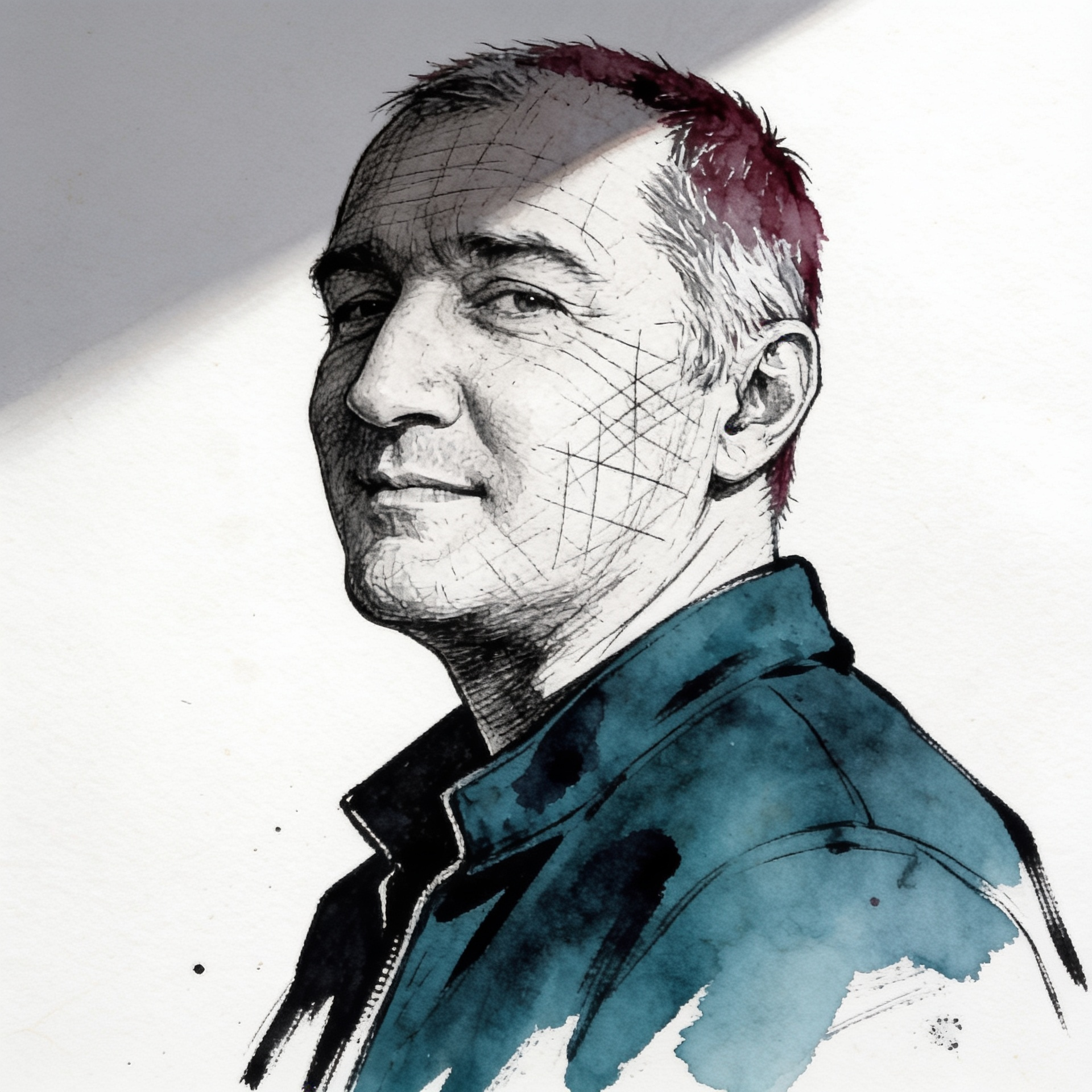
Alex Vatanka
Iran analyst at the Middle East Institute in Washington DC who tracks Iranian domestic politics and IRGC authority.
Last refreshed: 5 July 2026 · Appears in 1 active topic
Why does a leading Iran analyst think parliamentary hardliners cannot derail the nuclear deal?
Timeline for Alex Vatanka
Mentioned in: Ghalibaf says Iran will not fold
Iran Conflict 2026Mentioned in: Iran's new leader wounded, sources say
Iran Conflict 2026Assessed the hardliners were loud but had a weak case to make against the deal
Iran Conflict 2026: Iran hardliners rage but cannot block itBackground
Alex Vatanka is a senior fellow and director of the Iran programme at the Middle East Institute, a Washington DC-based think tank focused on Middle East policy. He is one of the most frequently cited Western analysts on Iranian domestic politics, the Islamic Revolutionary Guard Corps, and Iran-US diplomatic dynamics. On 16-17 June 2026 Vatanka assessed that the hardline Iranian parliamentary revolt against the Islamabad memorandum was vocal but had a weak case, because the Supreme Leader had authorised the framework. As Ali Khamenei's state funeral opened in Tehran on 4 July, Vatanka characterised the ceremony as designed "to project legitimacy at home and deterrence abroad", reading it as a display aimed at both domestic and international audiences during the unresolved question of who leads Iran day to day.
Vatanka's analysis typically focuses on the interplay between Iran's factional politics and its Foreign Policy, particularly the role of the IRGC in constraining or enabling diplomatic openings. He has written extensively on the limits of Iran's hardline factions when facing a Supreme Leader decision, and his assessment of the Islamabad MOU reflected that structural reading: that parliamentary revolts from Paydari Front figures carry little blocking power once Khamenei endorses a course.
His significance in the Iran conflict coverage is as an authoritative external voice on the credibility of Iranian domestic opposition to the deal and, now, on how Tehran projects continuity while its named Supreme Leader remains unseen. Readers and policymakers tracking whether hardliner resistance will derail the 60-day negotiating window, or whether the leadership vacuum destabilises it, are likely to follow his continued analysis at the Middle East Institute.
Who is Alex Vatanka?
What did Alex Vatanka say about Iran's hardliners opposing the nuclear deal?
What is the Middle East Institute and what does it do?
What did analysts say about the purpose of Khamenei's state funeral?






