Iran appointed a new ambassador to Beijing on Monday 18 May, the South China Morning Post reported, in a move Iranian officials briefed as signalling an 'unprecedented' commitment to the China relationship. The appointment lands in a week of stacked diplomatic signal. The Trump-Xi summit produced a Nvidia chip clearance for ten Chinese firms, a Chinese MOFA (Ministry of Foreign Affairs) readout that omitted the Iran specifics Trump had publicly claimed, and a Wang Yi endorsement of Pakistan's mediatory role. It also lands against OFAC's (Office of Foreign Assets Control) pattern of designating Hong Kong-registered shells rather than mainland-Chinese refineries. Per the public OFAC SDN list, OFAC has named 12 Hong Kong shells and zero mainland-China refineries in the past 14 days. Beijing reads the unbroken inverse signal as a corridor; the new envoy's brief is to keep that corridor open as a managed bilateral relationship with a named civil-service career attached to it. The processing infrastructure already runs. The PGSA (Persian Gulf Strait Authority) yuan tolls from Hormuz transits have cleared through Chinese state banks since March. An ambassador-grade appointment converts that processing into bilateral political cover, with a named civil-service career attached. Tehran is locking in the relationship Washington's sanctions architecture has chosen not to disrupt, three days after Trump's Truth Social post demanded an end to enrichment that no signed US instrument enforces. Iran's parliament speaker Mohammad Bagher Ghalibaf invoked Xi Jinping's 'transformation unseen in a century' framing on 17 May, placing the Beijing relationship inside an explicit world-order narrative. The envoy appointment is the operational follow-through: parliamentary register, diplomatic appointment, financial corridor and Hormuz toll regime all aligned on the same vector. Iran is treating the China relationship as a permanent feature of its post-strike strategic geometry rather than a wartime workaround.
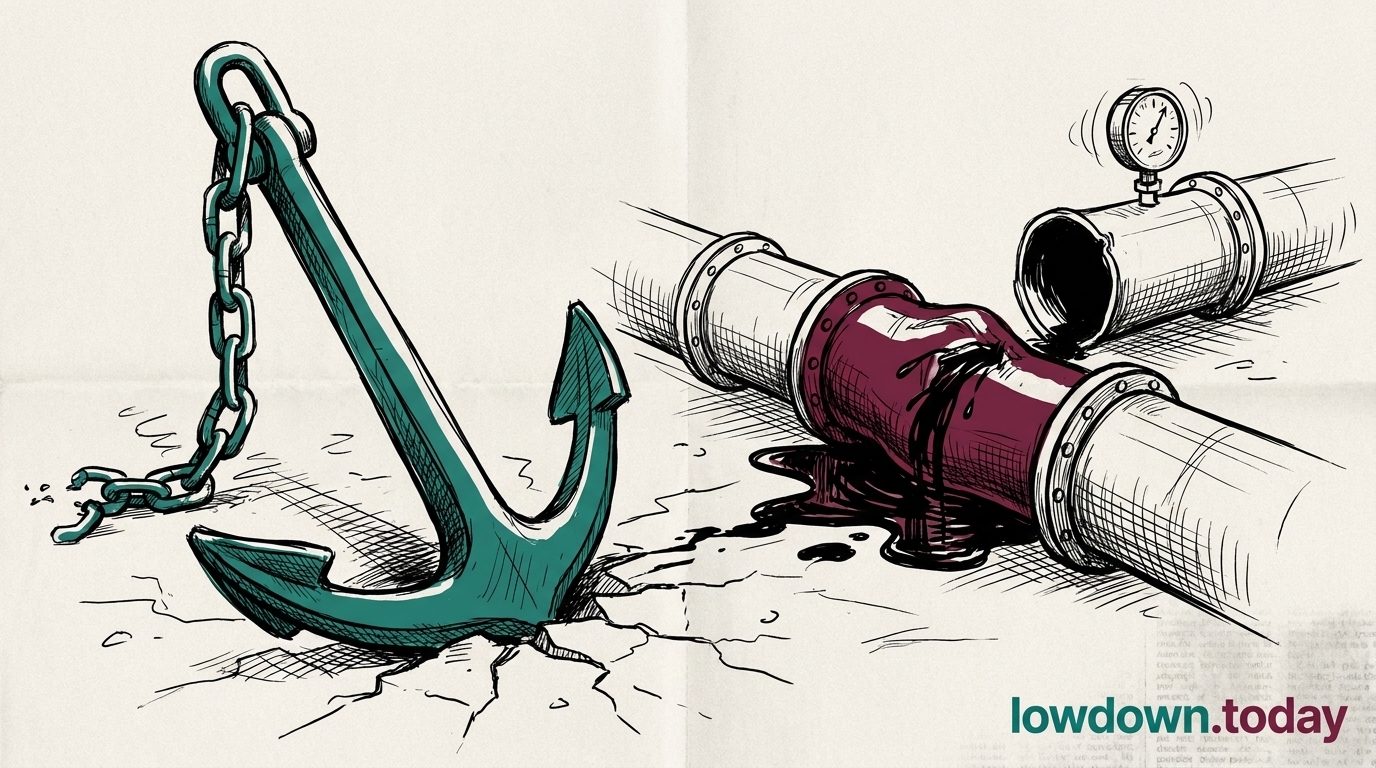
Iran names new ambassador to Beijing
Iran appointed a new envoy to Beijing on Monday in a move officials briefed as an 'unprecedented' commitment to the China relationship, three days after a Trump-Xi readout that omitted Iran specifics.
Iran's new Beijing envoy converts the OFAC-tolerated yuan-toll corridor into a managed bilateral channel.
Deep Analysis
Iran has appointed a new ambassador to China and is describing the relationship with Beijing as 'unprecedented'. The timing matters: just days earlier, the US and China held a summit where Chinese tech firms got access to Nvidia chips in exchange for Chinese cooperation on various issues. Iran appointed its new Beijing ambassador on Monday because Trump and Xi had just met without Tehran at the table. China buys Iranian oil in large volumes, which helps Iran survive US sanctions. But China is also building strong economic ties with Saudi Arabia and the other Gulf states. Iran is hoping Beijing will be its protector and trading partner, but China is trying to stay neutral and benefit from both sides.
- Risk
If Iran publicly frames the ambassador as the start of a military-economic partnership with China, Beijing will likely issue a clarifying statement distancing itself, publicly embarrassing Tehran.
- Consequence
China's continued OFAC-target Hong Kong shell companies rather than mainland refineries signals Washington and Beijing have an informal understanding on Iranian oil purchase volumes, one that a new Iranian ambassador cannot change.
Update #101 · Barakah hit, Trump posts, Italy sends minesweepers




