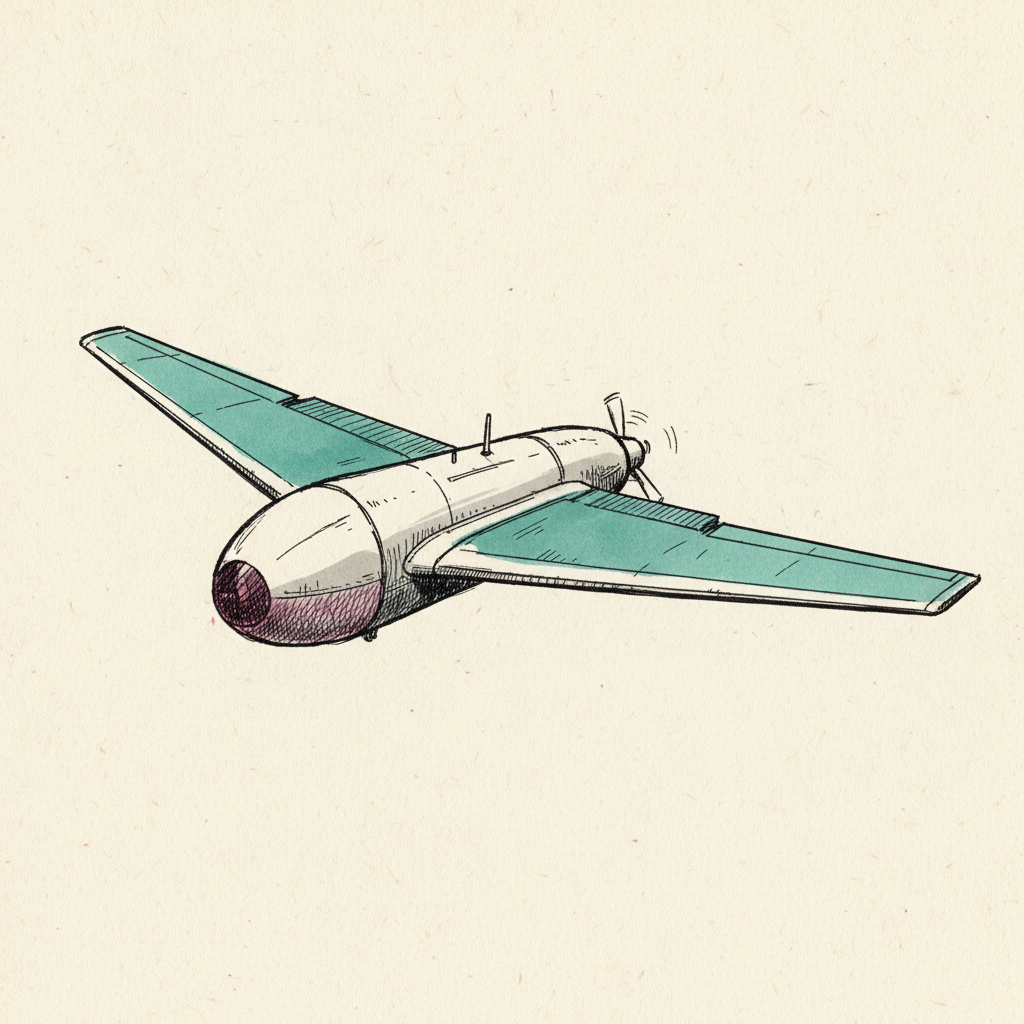
Shahed-136
Iranian one-way attack drone used by Russia in Ukraine and by Iran against Gulf targets.
Last refreshed: 29 May 2026 · Appears in 3 active topics
Russia built it, Iran fires it: has the Shahed-136 merged two wars into one?
Timeline for Shahed-136
Deployed in 85-drone barrage against Kharkiv, Donetsk and Odesa on 11 June
Russia-Ukraine War 2026: 85 Shaheds hit Kharkiv before big strikeMentioned in: Iran hits US bases in three countries
Iran Conflict 2026Two nuclear sites tested in one week
Russia-Ukraine War 2026Mentioned in: Kuwait armed the day Iran hit it
Iran Conflict 2026Struck Terminal 1 of Kuwait International Airport directly
Iran Conflict 2026: Iran drone hits Kuwait airport terminalBackground
The Shahed-136 is an Iranian-designed loitering munition built by Shahed Aviation Industries, first revealed publicly in 2021. Its delta-wing frame, distinctive two-stroke engine, and unit cost of $20,000-50,000 made it a defining weapon of modern attritional warfare. Russia began deploying it in Ukraine from October 2022 under the name Geran-2, later licensing production to its Alabuga facility in Tatarstan.
When Iran launched Operation True Promise 4 in February 2026, the Shahed-136 became the primary instrument against US military installations and Gulf state oil infrastructure. The US Army diverted 10,000 Merops AI interceptors to the Middle East to counter the threat, redirecting supply originally destined for Ukraine. By March 2026 the IRGC was launching up to three Shahed waves per day against Saudi and Emirati targets.
The APKWS laser-guided rocket system entered service as the RAF's counter-Shahed answer in the Middle East from approximately 17 May 2026, with RAF Typhoons of 9 Squadron flying operational counter-drone missions from RAF Akrotiri in Cyprus and Al Udeid Airbase in Qatar at approximately GBP 20,000 per shot — still FAR cheaper than Patriot but not at Merops intercept economics. The cost gap between APKWS and the Enduring High Energy Laser (EHEL) — once fielded — is the procurement signal: the RAF needs EHEL's directed-energy cost reduction to sustain counter-Shahed operations without burning through interceptor budgets.
The drone's strategic tension lies in its supply chain: Volodymyr Zelenskyy alleged that Russia was shipping Alabuga-manufactured Shaheds back to Iran, reversing the original technology-transfer direction. The weapon that cost Russia its drone-warfare independence now implicates Russian oil revenue in strikes on American forces, putting the two conflicts on a single supply line.
What is the Shahed-136?
How much does a Shahed-136 cost?
How do air defences intercept Shahed drones?
What is the difference between the Shahed-136 and the Lancet drone?
Is Russia supplying Iran with Shahed drones?


