Skip to content
You can now search across every topic, entity and event.What's new
Russia-Ukraine War 2026
1APR

Zelenskyy signs Gulf security deals

2 min read
16:30UTC

Ukraine is exchanging three years of battle-tested counter-drone expertise for Gulf security agreements, POW releases, and a diplomatic constituency beyond Europe.

ConflictDeveloping
Key takeaway

Ukraine converted battlefield drone expertise into Gulf security partnerships and a new diplomatic constituency.

Zelenskyy completed a three-state Gulf tour between 27 and 28 March, signing 10-year security agreements with Saudi Arabia and Qatar and securing cooperation terms with the UAE 1. Over 200 Ukrainian counter-drone specialists are now deployed across four Gulf states, with 30 more assigned to Jordan and Kuwait. Six countries have submitted formal cooperation requests.

Iran manufactures the Shahed-136 drone. Russia buys it and launches it at Ukrainian cities nightly. Iran also fires the same design at Gulf targets. Ukraine's three years of defending against Shaheds produced the world's most battle-tested counter-drone expertise. Gulf states that spent $13.5 million per Patriot interception are now buying Ukrainian interceptor drones at under $2,000 each.

Ukraine is exchanging drone expertise for things it needs: Gulf states are facilitating POW releases and the return of Ukrainian children deported by Russia. Qatar is the primary intermediary. Zelenskyy's earlier offer to Trump of counter-drone assistance opened this track; the Gulf tour formalises it into binding agreements that create a diplomatic constituency beyond Europe.

Deep Analysis

In plain English

Ukraine's president toured Saudi Arabia, Qatar, and the UAE in late March and signed security agreements with two of them. The logic: Iran makes the Shahed drones that Russia fires at Ukrainian cities every night. Iran also fires the same drones at Gulf state targets. Ukraine has three years of battle experience shooting down these drones cheaply. The Gulf states want that expertise. In exchange, Ukraine is getting help with POW releases, the return of children Russia deported, and something more strategic: six countries in the Middle East now have a material interest in Ukraine's survival. That is diplomatic leverage Ukraine did not have a year ago.

Deep Analysis
Root Causes

The Gulf tour's strategic foundation is Iran's dual role: Iran manufactures the Shahed drones used against both Ukraine and Gulf states, creating a shared threat perception. Ukraine's three-year operational experience against Iranian drones gives it knowledge that Gulf states, despite vastly greater defence budgets, cannot replicate without battlefield exposure.

The timing reflects Ukraine's recognition that European and American support has structural limits, including aid fatigue, election cycles, and the PURL diversion. Building a Gulf constituency diversifies Ukraine's political support base and its economic relationships simultaneously.

What could happen next?
  • Opportunity

    Ukraine's Gulf defence export relationships provide a revenue stream and diplomatic constituency that partially offsets potential reductions in US and European support.

  • Consequence

    Qatar's role as POW intermediary and Zelenskyy's public acknowledgement of it strengthens Qatar's diplomatic position relative to other Gulf mediators.

First Reported In

Update #9 · Ukraine halves Russia's Baltic oil exports

Euronews· 1 Apr 2026
Read original
Different Perspectives
Turkey
Turkey
Turkey, a major buyer of Russian diesel cargoes, loses that access under Moscow's first producer-binding export ban, in force from 8 July to 31 July. Ankara hosted the same week's NATO summit pledging EUR 70bn to Ukraine, sitting on both sides of the fuel-and-alliance ledger.
NATO
NATO
NATO leaders meeting in Ankara on 7 and 8 July pledged EUR 70bn in equipment, assistance and training for Ukraine across 2026, with a 2027 sustainment commitment and a $40bn Drone Edge counter-drone initiative. European allies now fund the vast majority of that package, filling the gap left by Washington's idled crude waiver.
India
India
India's state refiners continued buying discounted Urals crude as June's price fell to $63.18 a barrel, insulating New Delhi from the OFAC waiver gap still constraining Western buyers. Indian refiners could pick up diesel-export share as Russia's producer-binding ban shuts out its former customers.
China
China
China's independent refiners kept importing discounted Urals crude through June as the price fell to $63.18 a barrel, down 26% month-on-month per CREA. Beijing has said nothing on Moscow's new diesel ban, leaving Chinese refiners a likely beneficiary if Turkish and Brazilian buyers seek replacement cargoes.
United States
United States
No successor licence has been issued since General License 134C lapsed on 17 June, leaving a 26-day gap, the longest of the war, in the Russian crude waiver. Washington's silence is tightening the channel without any stated decision, as Treasury weighs whether to let it die.
Ukraine
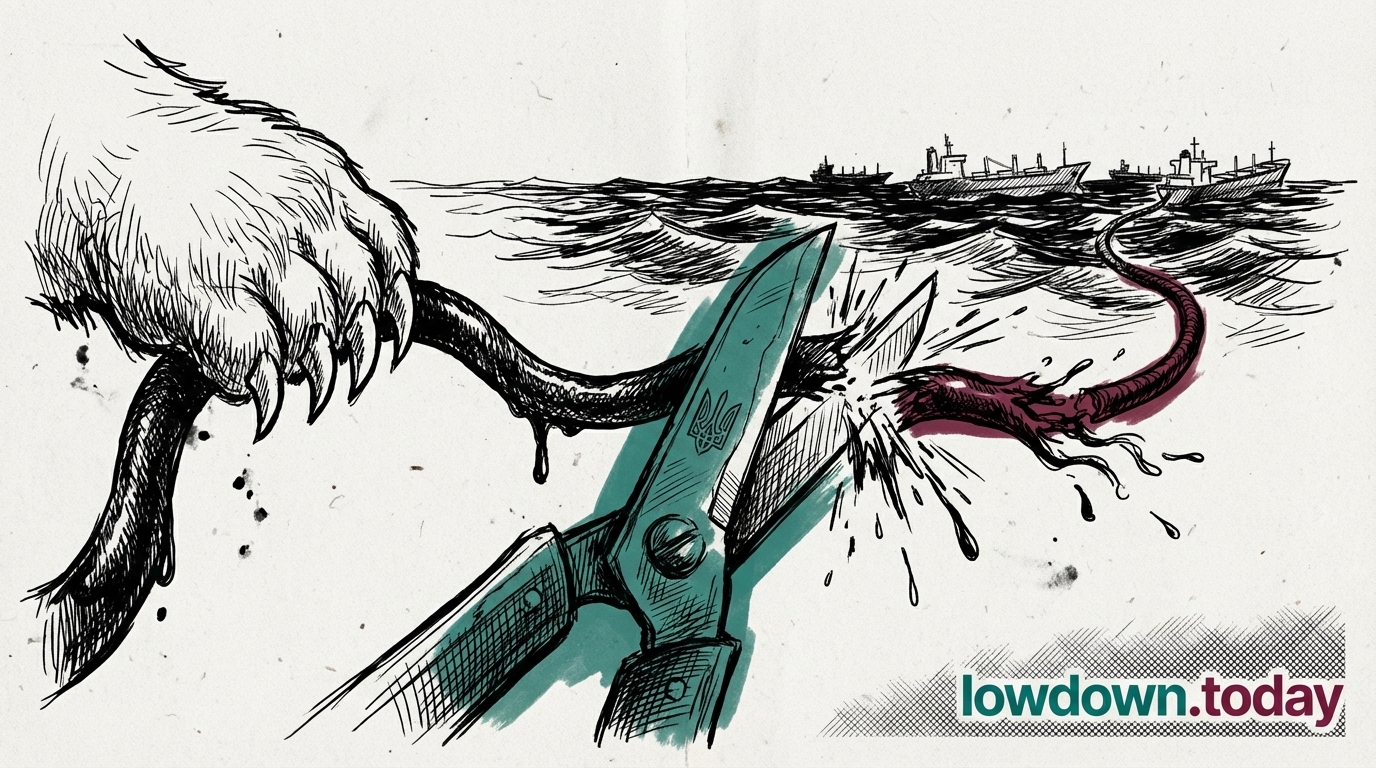
Ukraine
Ukraine's long-range strike campaign shifted from refineries to seaborne fuel tankers crossing the Sea of Azov, cutting tracked vessel traffic 55% between 30 June and 11 July, per Starboard Maritime Intelligence. The shift targets Russia's export revenue directly rather than just domestic supply, adding pressure alongside the collapsing Urals price.
