Can Qatar restore LNG output while Iran keeps Mesaieed on its target list?
Timeline for Mesaieed
Designated by the IRGC as an evacuation-ordered energy target
Iran Conflict 2026: IRGC names five Gulf energy targetsMentioned in: Qatar: $1bn US radar destroyed at Udeid
Iran Conflict 2026Mentioned in: Seven Gulf states back offensive action
Iran Conflict 2026Mentioned in: Dutch TTF retreats to €48 on ceasefire
Iran Conflict 2026Mentioned in: UAE and Kuwait recorded 1,088 intercepts
Iran Conflict 2026Background
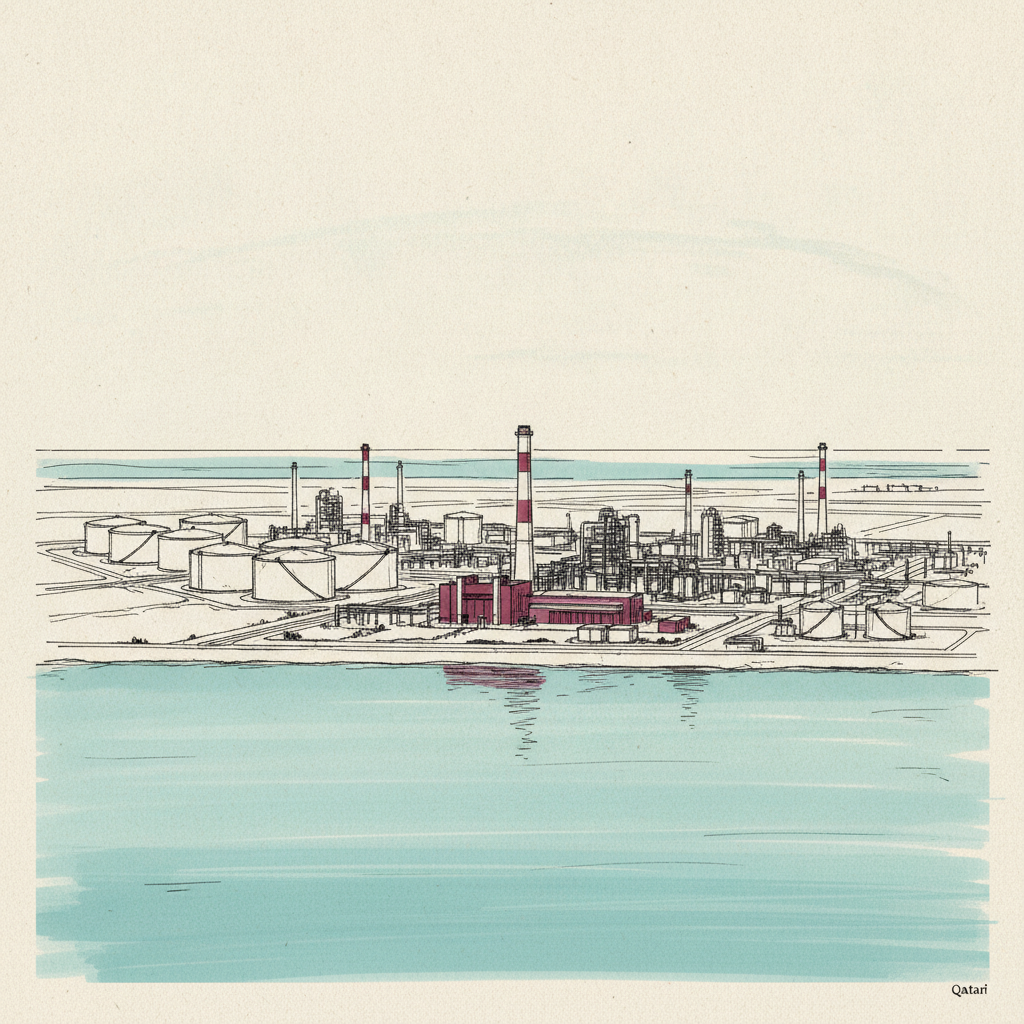
Mesaieed (also known as Umm Said) is Qatar's primary industrial port city, located roughly 40 kilometres south of Doha on the country's eastern Gulf coast. It houses the heart of Qatar's hydrocarbon export infrastructure: LNG liquefaction trains operated by QatarEnergy, petrochemical plants including QAFCO and QAPCO, and the deep-water terminal through which the bulk of Qatar's energy exports depart. The gas feeding these facilities comes from the North Field, the world's largest single natural gas reservoir.
In March 2026, Iranian drones struck Mesaieed and Ras Laffan Industrial City simultaneously, forcing a complete shutdown of Qatar's LNG production capacity. QatarEnergy confirmed it had halted all output, withdrawing roughly 77 million tonnes of annual supply from global markets in a single blow. The Islamic Revolutionary Guard Corps (IRGC) subsequently named Mesaieed among five Gulf energy facilities subject to continued strikes if the conflict escalated.
The shutdown exposed structural fragility: Europe had already drawn storage reserves to 30% below seasonal norms, leaving the continent fewer than 30 days of buffer before critical shortfall. Mesaieed's concentration of irreplaceable infrastructure in a single coastal site means any sustained damage would take years to restore, not weeks.
What is Mesaieed?
Was Mesaieed attacked by Iran?
Why did Qatar LNG production stop in 2026?
How did the Mesaieed shutdown affect European gas prices?
What is the difference between Mesaieed and Ras Laffan?




Written with AI from Lowdown's published reporting. Not individually reviewed by an editor. Updated 28 July 2026. Editorial standards.