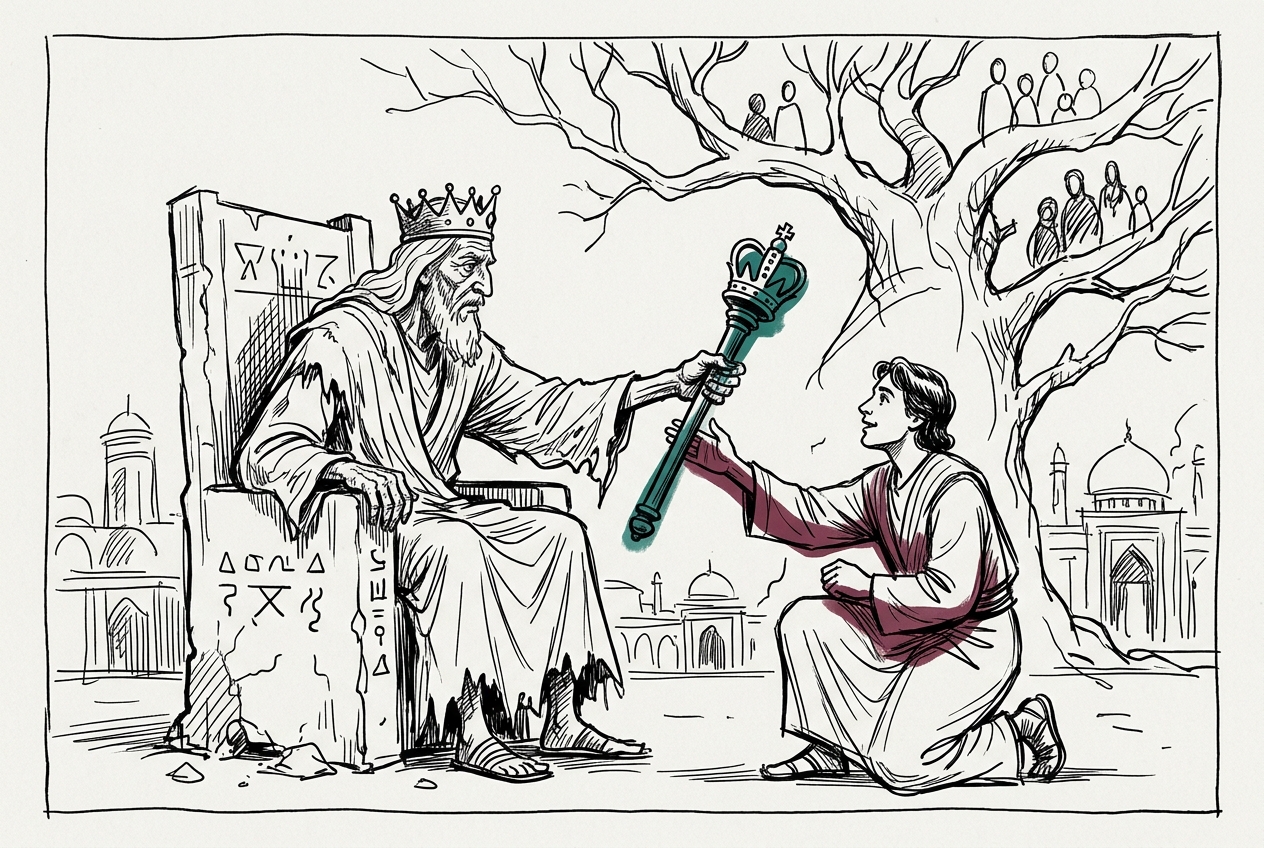
Hereditary rule
Political system where power transfers through family bloodlines; monarchies, Gulf states, and now Iran.
Last refreshed: 30 March 2026
Did Iran just become a hereditary theocracy dressed as a republic?
Background
Hereditary rule is the transfer of supreme political authority within a ruling family, bypassing election or meritocratic selection. It spans constitutional monarchies, absolute kingdoms, and theocratic states where office passes by bloodline. The Iranian Revolution of 1979 was founded in explicit opposition to dynastic rule: the Pahlavi Shah was overthrown on the charge that hereditary privilege corrupted governance and undermined clerical authority.
Iran's Assembly of Experts confirmed Mojtaba Khamenei, 56, as Supreme Leader on 8 March 2026, under IRGC pressure during active conflict. It was the first time the office had passed from father (Ali Khamenei) to son, realising the dynastic succession critics had warned of for a decade. The appointment was accelerated under wartime conditions.
The contradiction is Stark: a revolutionary republic built on anti-monarchist theology adopted the very mechanism it condemned. Whether hereditary transfer consolidates the Islamic Republic or exposes its ideological exhaustion is the defining open question for the POST-succession era, with global powers divided on the legitimacy of the outcome.
What is hereditary rule?
Is Iran now a hereditary theocracy?
Which countries still have hereditary rule in 2026?
How does hereditary rule differ from dynastic succession?
Did the Iranian constitution allow hereditary transfer of the Supreme Leader?

