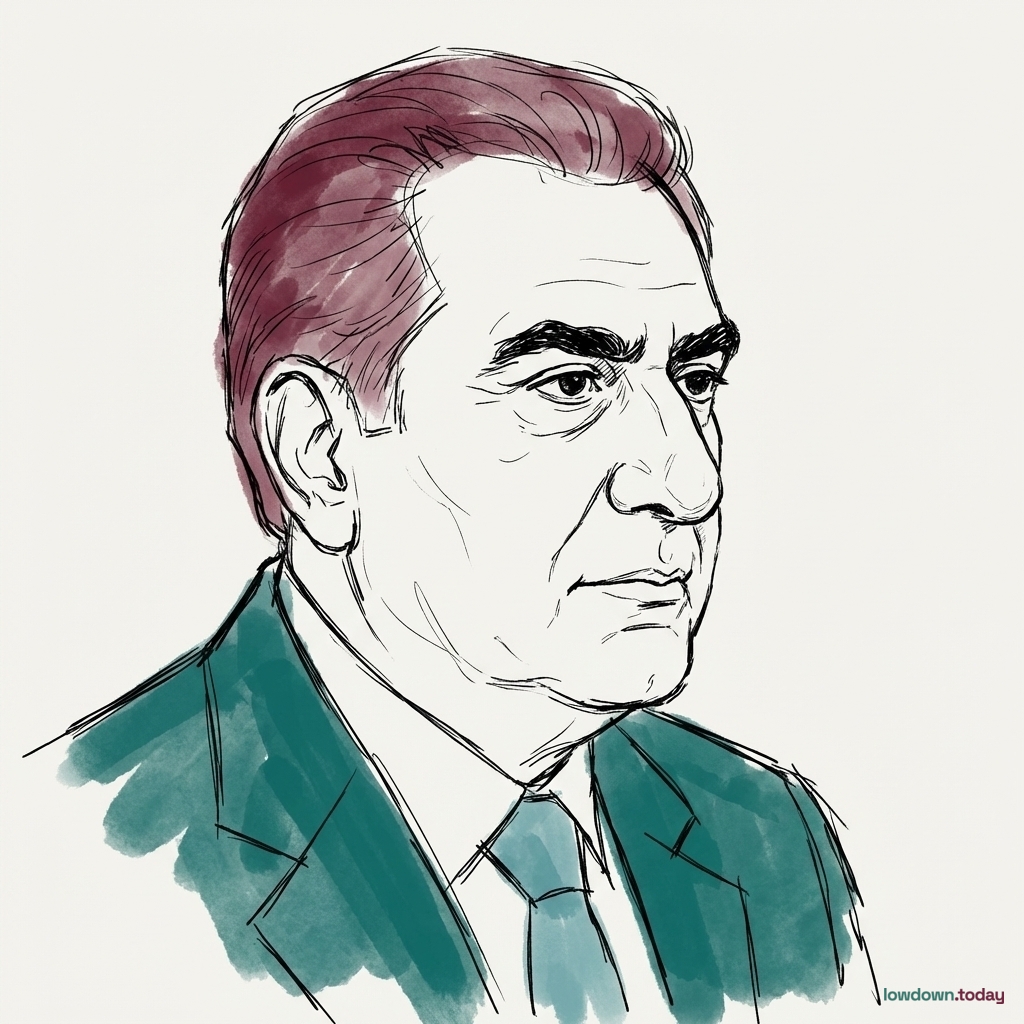
Reza Pahlavi
Exiled son of the last Shah; declared the Islamic Republic has no legitimate successor.
Last refreshed: 30 March 2026 · Appears in 1 active topic
Can the Shah's exiled heir become Iran's opposition as the Islamic Republic turns dynastic?
Timeline for Reza Pahlavi
Mentioned in: Mojtaba Khamenei named Supreme Leader
Iran Conflict 2026Mentioned in: Assembly schedules vote for Mojtaba
Iran Conflict 2026Called any new Supreme Leader an accomplice from exile
Iran Conflict 2026: Reza Pahlavi: new leader an accompliceMentioned in: Mojtaba Khamenei named Supreme Leader
Iran Conflict 2026Background
Born in 1960, Pahlavi was 18 when the 1979 Revolution ended the Pahlavi dynasty and forced his family into exile. He has lived primarily in the United States since then, positioning himself as a constitutional monarchist and secular alternative to the Islamic Republic. He has no formal political organisation or armed wing; his influence rests entirely on symbolic legitimacy and diaspora support.
Reza Pahlavi, the eldest son of the late Shah of Iran, emerged as the most prominent exile voice during the succession crisis. When the Assembly of Experts announced Mojtaba Khamenei as Iran's third Supreme Leader, Pahlavi declared from exile that whoever was named leader would "lack legitimacy and will be considered an accomplice" to the Islamic Republic's record of repression.
The dynastic installation of Mojtaba Khamenei sharpened Pahlavi's relevance: the Islamic Republic's own founding logic rejected Hereditary rule, and his denunciation drew a direct parallel between Pahlavi dynastic succession and clerical dynastic succession, a contradiction that resonates inside Iran as well as in the diaspora.
Who is Reza Pahlavi?
What did Reza Pahlavi say about Iran's new Supreme Leader?
Does Reza Pahlavi want to be Shah of Iran?
Where does Reza Pahlavi live now?
How is Reza Pahlavi different from Mojtaba Khamenei?

Written with AI from Lowdown's published reporting. Not individually reviewed by an editor. Updated 30 March 2026. Editorial standards.